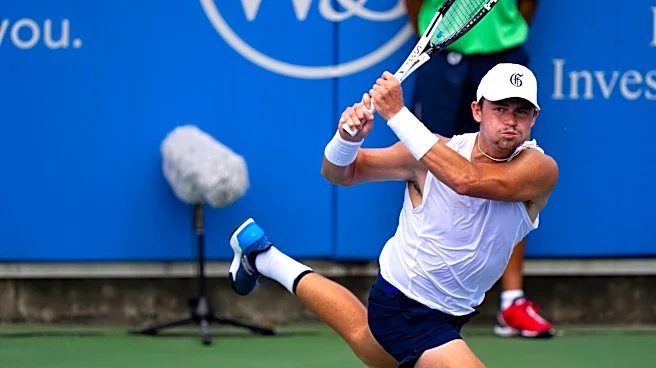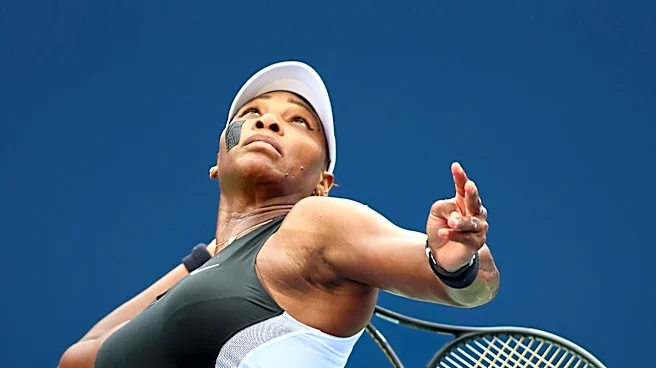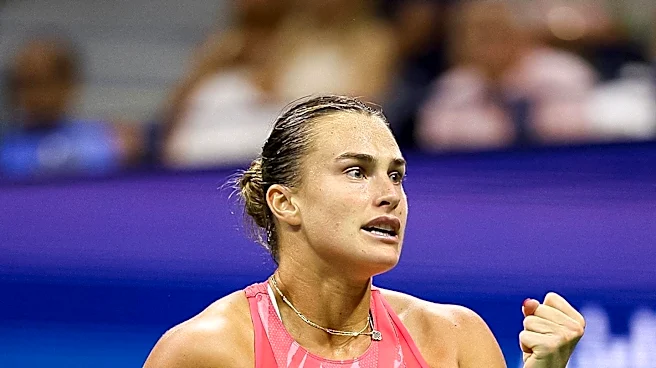



A Legacy Older Than the World Series
Before you can understand why legends win in Cincinnati, you have to appreciate just how long they’ve been trying. Founded in 1899, the tournament is the oldest professional tennis event in the U.S. still played in its original city. It predates the first
World Series, the Davis Cup, and even The Masters in golf. This isn't just another stop on the tour; it's an institution woven into the fabric of American tennis. For over a century, the sport's best have made the pilgrimage to Ohio, creating a level of prestige that money can't buy. When a player wins here, they aren't just winning a tournament; they are adding their name to a list that includes over 100 Hall of Famers, joining giants of the game from across radically different eras.
The Ultimate US Open Litmus Test
Timing is everything in sports, and Cincinnati’s place on the calendar is a key piece of its magic. As the last major tournament before the US Open, it serves as the final and most important hard-court tune-up for the year’s final Grand Slam. Players don't come here to shake off rust; they come to make a statement. A strong performance in Cincinnati sends a clear message to the rest of the field about who is in peak form heading to New York. The pressure is immense, the competition is fierce, and the conditions are a near-perfect dress rehearsal for Flushing Meadows. Winning here requires a player to be physically and mentally prepared for a Grand Slam run, making it a natural filter that elevates only the most prepared and elite competitors.
A True Test for All-Court Tennis
For decades, the hard courts in Mason, Ohio, were known as some of the fastest on tour, rewarding aggressive, first-strike tennis. The surface favored big servers and players who could dictate points with power and take the ball early—hallmarks of legends like Pete Sampras and seven-time champion Roger Federer. While some players have recently noted the courts playing slower, making them more similar to the US Open, the fundamental challenge remains. The courts demand a complete, all-around game. You can’t just be a clay-court grinder or a serve-and-volley specialist; you need the weapons to attack and the consistency to defend. This dynamic ensures that only the most versatile and adaptable players, those with few weaknesses in their game, can conquer the field.
The Masters 1000 Gauntlet
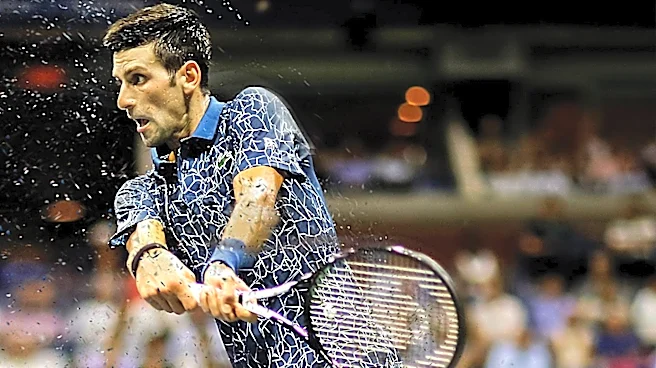
As an ATP Masters 1000 event, the Cincinnati Open guarantees one of the toughest draws outside of a Grand Slam. Unlike smaller tournaments where top seeds might get a few easy opening rounds, here, the field is stacked from day one. To lift the trophy, a player almost certainly has to defeat multiple top-10 opponents in a single week. Look no further than Novak Djokovic, who had to reach six finals before finally winning in 2018 to complete his historic Career Golden Masters—a testament to the tournament's difficulty. The champion's roll call is a direct reflection of this elite challenge: Federer, Djokovic, Nadal, Sampras, Agassi, and Connors have all proven their mettle here. Winning requires a level of sustained excellence that is, by definition, legendary.