
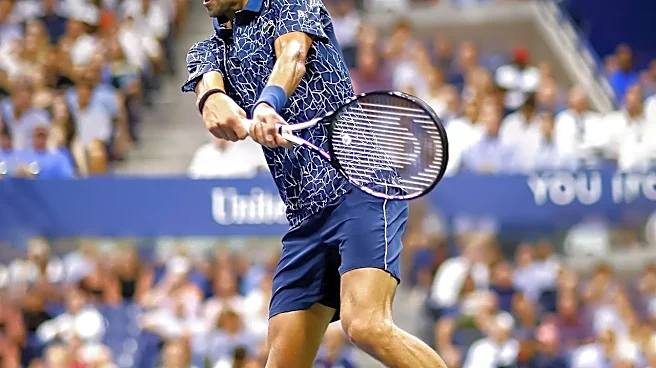
The Final Grand Slam, The Ultimate Drama
Chronologically, the US Open is the fourth and final Grand Slam of the tennis season. While Wimbledon has its serene tradition and the French Open its clay-court grind, the Open in New York is where the year’s narratives climax. It's the last chance for
players to salvage a disappointing season, secure a Hall of Fame legacy, or make a breakthrough. This high-stakes pressure cooker environment, set on fast hard courts that reward aggressive play, consistently produces thrilling and unpredictable matches. Careers can be defined, or redefined, on these courts, adding a layer of do-or-die drama that no other major can claim in quite the same way.
An Unapologetically New York Spectacle
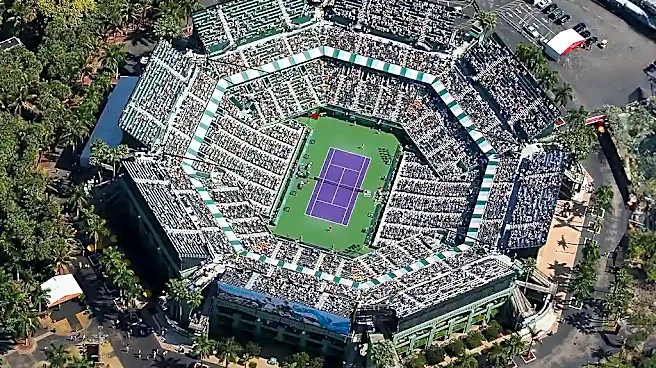
Few sporting events are as deeply intertwined with their host city's identity. The US Open is loud, bold, and energetic, mirroring the spirit of New York itself. Unlike the polite applause at Wimbledon, the crowds at the USTA Billie Jean King National Tennis Center in Queens are famously boisterous and engaged, creating an electric, and at times intimidating, atmosphere. This isn't a quiet afternoon of tennis; it's a spectacle. The tournament's theme for 2026, "Celebrating Our New York Story," explicitly honors this deep connection, weaving the city's landmarks and energy into the event's fabric. From the celebrity sightings to the diverse array of food and the iconic Honey Deuce cocktail, the Open is a two-week festival that feels unmistakably like the city it calls home.
Drama Under the Lights
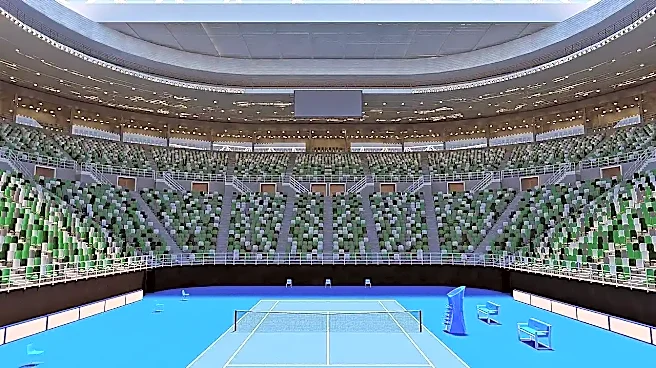
Perhaps the single most defining feature of the US Open is its night sessions. It was the first Grand Slam to introduce night matches in 1975, a move designed to make the sport more accessible to a primetime television audience. The decision transformed the tournament into a must-see event. Playing under the lights in Arthur Ashe Stadium—the world's largest tennis venue—is an experience players describe as unique in the sport. The crowd becomes louder, the air changes, and the drama intensifies, turning matches into theatrical events that can stretch past midnight. These sessions create legendary moments and have become the tournament's signature offering, blending elite sport with pure entertainment.
A History of Innovation and Access
While steeped in a history that dates back to 1881, the US Open has always been the most forward-thinking of the four majors. In 1973, driven by the advocacy of Billie Jean King, it became the first Grand Slam to offer equal prize money to men and women, a landmark decision that reshaped professional tennis. It has also been a pioneer in technology, leading the way with electronic line-calling systems like Hawk-Eye. This willingness to evolve is also reflected in its accessibility; with a multi-day Fan Week offering free grounds access and numerous city-wide activations, the tournament actively works to broaden its appeal beyond traditional tennis fans.
The Perfect Summer Send-Off
Coinciding with the Labor Day holiday weekend, the US Open has become a cultural bookend to the American summer. It’s the last great outdoor sporting event before the focus shifts to football and the fall calendar. The buzz is palpable across New York, with subways full of fans and sports bars packed for big matches. It's a final chance to soak in the long days and warm nights, all while watching the world's best athletes compete on the biggest stage. The tournament doesn't just mark the end of the tennis season; for many, it signals the end of summer itself, a final, vibrant burst of energy before a new season begins.