




The Report’s Humble Origins
Long before fantasy managers obsessed over every detail, the NFL injury report was a tool created for a very different reason: gambling. The league mandated the public disclosure of player injuries as far back as 1947 to promote transparency and prevent
gamblers from gaining an unfair edge with inside information. For decades, it was a dry, procedural document, relevant mainly to bettors, a few dedicated reporters, and the teams themselves. It listed who was hurt and their chances of playing, but it was hardly front-page news. A star player being listed as “questionable” was notable, but the status of a backup lineman was information relegated to the deepest corners of the sports section.
From Niche Hobby to National Obsession
The game-changer was the internet. While fantasy football was invented in the 1960s, it remained a niche hobby for decades, requiring painstaking manual stat tracking. That all changed in the late 1990s when platforms like Yahoo and ESPN launched free, automated online leagues. Suddenly, anyone could be a general manager. The popularity exploded. By the early 2000s, millions were playing. This created a fundamental shift in fandom. Fans were no longer just loyal to their hometown team; they were now invested in a portfolio of individual players from across the league. A die-hard Bears fan suddenly had a very good reason to care about the Jacksonville Jaguars' starting receiver.
Every Player, Every Rep
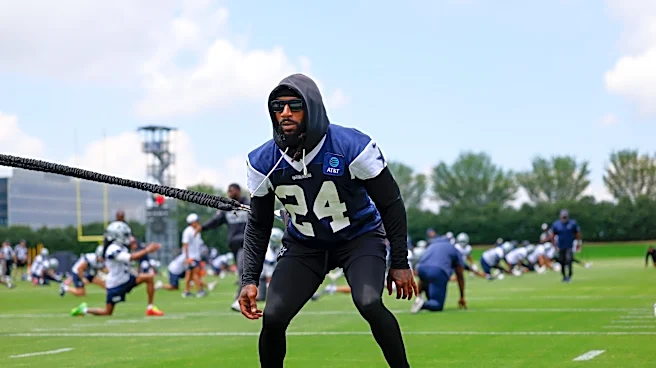
This new, widespread investment in individual players created an insatiable demand for information. The once-boring practice report became a critical data source for millions of fantasy GMs. The weekly rhythm became part of the football lexicon: Wednesday, Thursday, and Friday reports detail a player's participation level. A “DNP” (Did Not Participate) on Wednesday might just be a veteran’s rest day, but a DNP on Friday is a five-alarm fire for a fantasy manager. A “LP” (Limited Participant) designation sends ripples of anxiety through group chats, sparking debates about whether to start or sit that player. Suddenly, a player's availability wasn't just a team concern; it was a personal stake in countless weekly matchups.
The Information Ecosystem
The final ingredient was the rise of social media and the 24/7 sports news cycle, personified by NFL insiders like Adam Schefter and Ian Rapoport. These reporters built their careers on breaking news, and practice report information became premium fuel for their feeds. A single tweet from an insider confirming a player's upgraded or downgraded status can send fantasy managers scrambling to the waiver wire. Media networks, recognizing the immense engagement, leaned in hard. Pre-game shows now feature entire segments dedicated to fantasy-relevant injury updates, and broadcast graphics often include fantasy point projections, solidifying the connection between real-world player health and the virtual game.
A New Kind of Fandom
The result is a more informed, more engaged, and arguably more transactional fan. This obsession with player data has deepened the connection to the league for millions, turning otherwise meaningless matchups into must-see events. However, it has also increased the pressure on players, whose every ailment is now subject to public scrutiny and, at times, vitriol from frustrated fantasy managers. Players have spoken out about the mental toll of receiving angry messages from fans whose fantasy teams were affected by an injury or a poor performance. The practice report is no longer just a report; it's a content engine, a market mover, and a central pillar of the modern NFL fan experience, for better or worse.