


The Homecoming King: Max Verstappen, 2021
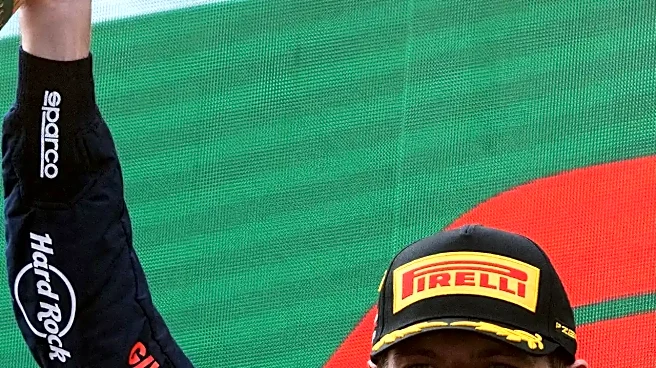
After a 36-year absence, the Dutch Grand Prix returned in 2021 with one purpose: to welcome home its hero, Max Verstappen. The pressure was immense. An entire nation, draped in its signature color, descended upon the dunes of Zandvoort expecting nothing
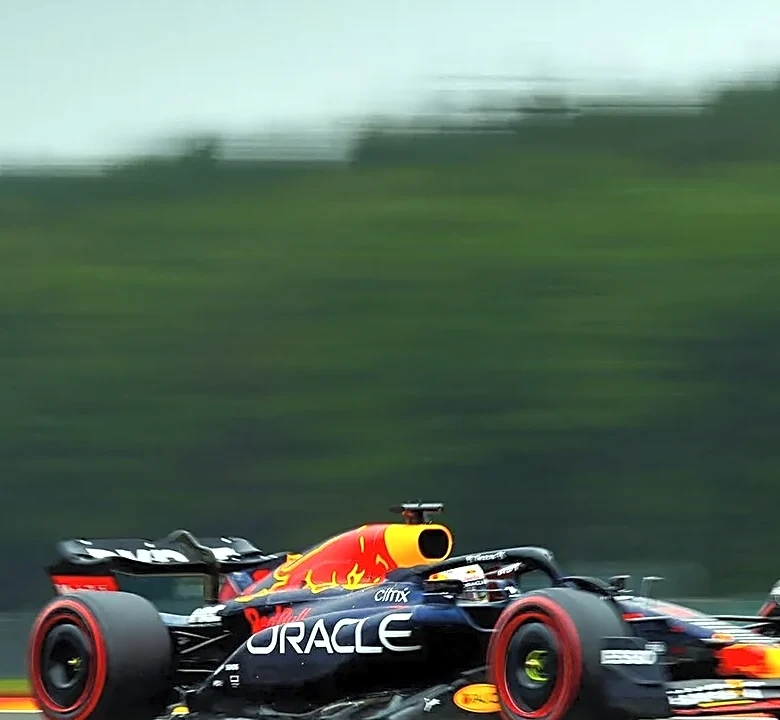
less than victory. The weekend felt like a coronation in waiting. When the lights went out, Verstappen delivered a masterclass, controlling the race from pole position. As he crossed the finish line, the circuit erupted. The celebration wasn't just about one win; it was the emotional release of a 36-year wait, amplified by the meteoric rise of a Dutch superstar. Flares sent plumes of orange smoke into the sky as Verstappen soaked in the adoration of his "Orange Army," cementing the moment as the definitive image of modern F1 fandom. He called the experience "amazing," acknowledging the sky-high expectations he had managed to fulfill.
The Orange Army's Festival of Fandom
Not every iconic celebration belongs to a driver. At Zandvoort, the fans themselves are the main event. The 'Orange Army' is a global phenomenon, a traveling sea of orange-clad supporters who turn grandstands into vibrant, noisy spectacles at races across Europe. But at Zandvoort, their home turf, they transform the entire event into a massive music and arts festival. The celebration starts days before the race, with world-famous DJs, elaborate pre-race shows featuring floral floats, and even illusionists. The atmosphere is so unique that F1 management has cited it as a benchmark for other Grands Prix. While they erupt for a Verstappen victory, the celebration is continuous—a constant, thrumming energy of national pride and passion for the sport their hero has come to dominate. This collective joy, expressed through song, dance, and a literal sea of orange, is Zandvoort's most famous and recurring celebration.
A Legend's Last Hurrah: Niki Lauda, 1985
The 1985 Dutch Grand Prix was historic for two reasons: it was the last one held for 36 years, and it was the site of Niki Lauda's 25th and final Formula 1 victory. Having announced his impending retirement, the reigning world champion put on a display of tactical genius. Starting from 10th on the grid, Lauda methodically worked his way through the field. The defining moment came in the closing stages as he battled his own McLaren teammate, the relentlessly quick Alain Prost. In a nail-biting duel, Lauda used all his experience to fend off Prost's charge, crossing the line just 0.232 seconds ahead of him. The celebration was one of quiet, profound respect for a titan of the sport. It wasn't the wild party of the modern era, but a poignant farewell victory for one of F1's most revered figures, on a track that was itself about to say a long goodbye.
The Underdog's Arrival: James Hunt, 1975
Ten years before Lauda's final win, Zandvoort hosted a very different kind of celebration: the birth of a legend. In 1975, James Hunt was a charismatic but unproven driver for the small, privateer Hesketh Racing team. On a day that started wet but began to dry, the team made a gutsy strategy call to switch to slick tires early. The gamble paid off, vaulting Hunt into the lead. But then he had to face down a charging Niki Lauda in his dominant Ferrari. For over 20 laps, Hunt withstood immense pressure, holding off the world champion to claim his first-ever Grand Prix win. The victory was a monumental upset and the only one Hesketh Racing would ever achieve. The celebration was one of pure, unadulterated shock and joy, marking the moment a flamboyant playboy driver proved he had the grit of a future world champion.