



The Anatomy of Pre-Season Hype
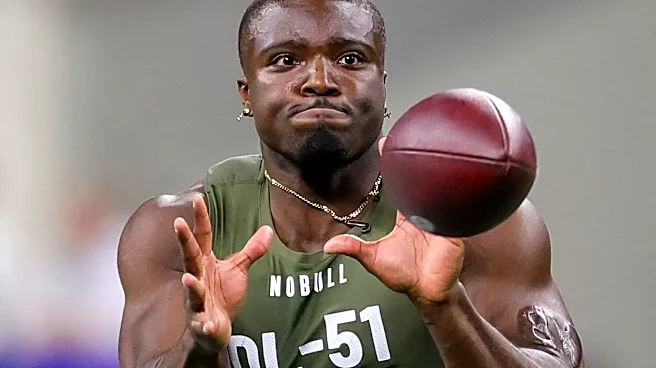
Rookie fever doesn’t happen in a vacuum. It’s a carefully constructed, months-long crescendo of information—some useful, much of it pure narrative. It begins in the winter with the NFL Scouting Combine, where freakish athletic displays generate viral
clips and plant the seeds of superstardom. That momentum carries into the NFL Draft in April, an event built entirely on projecting future success. A player's draft capital—the round and pick number used to select them—becomes the single most powerful anchor for their fantasy value. Teams don't spend first-round picks on players they intend to sit on the bench, and fantasy managers rightfully take note. This early evaluation, based largely on college production and athletic testing, establishes the initial market price for a rookie long before they ever step onto an NFL practice field.
The Summer of Storylines
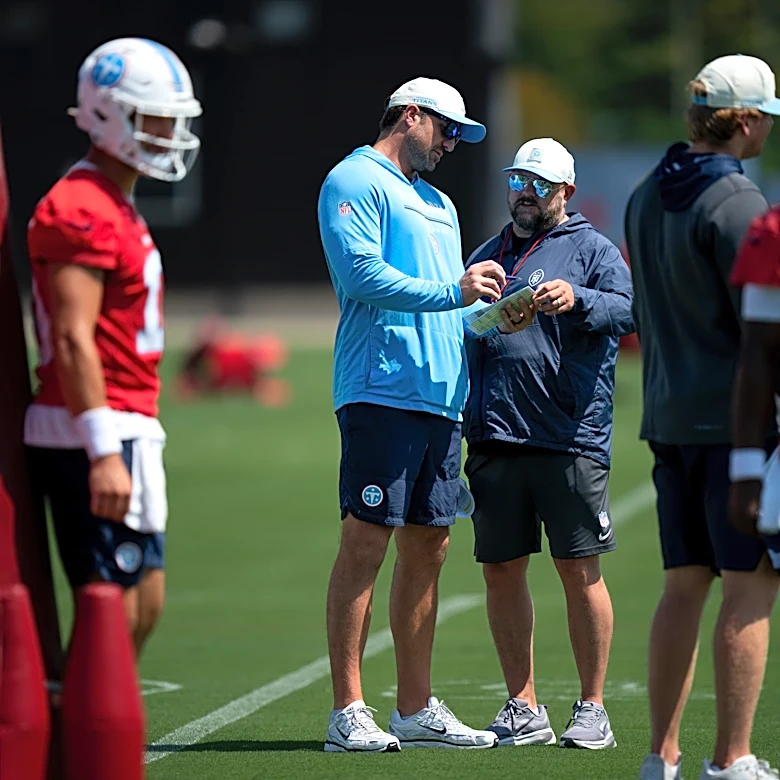
As summer begins, the information firehose turns into a geyser of speculation. Organized Team Activities (OTAs) and training camp reports in July and August fuel the hype machine. Beat writers, hungry for content, file daily dispatches about which rookie is “turning heads” or “surging up the depth chart.” A slick one-handed catch in a non-padded practice can send a player’s Average Draft Position (ADP) soaring. This is the phase where hope reigns supreme. Every rookie is a potential league-winner, and every positive report is treated as confirmation. The problem is that much of this information lacks critical context. We hear that a player is getting first-team reps, but we don't know if that's because they've earned it or because a veteran is getting a rest day. This period is driven by narrative, not data, creating a high-risk environment for fantasy managers drafting in August.
When the Real Data Finally Arrives
The most predictive information for a rookie's immediate fantasy success arrives infuriatingly late—often after the majority of fantasy drafts are already completed. The NFL preseason is the first real glimpse into a team's intentions. It’s not about whether a rookie looks good against second- and third-stringers; it's about how they are used. Are they playing with the starters? Are they on the field in the two-minute drill? Are they getting goal-line carries? This usage data from preseason games is the first concrete evidence of a player's actual role. But even that pales in comparison to the data from Week 1 of the regular season. Official snap counts, target share, and route participation are the gold standard. These metrics tell us exactly how involved a player is in the offense, moving beyond coach-speak and beat-writer hype to provide actionable facts. By then, however, that rookie you overdrafted in August is already on your bench.
Playing the Waiting Game for Profit
Understanding this timeline is a massive strategic advantage. While your league-mates are paying a premium for the idea of a rookie, you can exploit the market inefficiency. Let someone else draft the unproven first-year player in the early rounds based on training camp buzz. Instead, focus on reliable veterans who have a defined role and a history of production. The time to invest in rookies is often after the draft, not during it. History shows that running backs tend to contribute earlier than wide receivers, while tight ends often take multiple seasons to become fantasy relevant. Be patient. Watch the waiver wire like a hawk in the first few weeks of the season. When a rookie's Week 1 snap count reveals a surprisingly large role, you can acquire them for a fraction of the cost your opponent paid for a different rookie who ended up being inactive. Let others chase the hype; you can wait for the proof and reap the rewards.