


Prioritize Position, Not Power
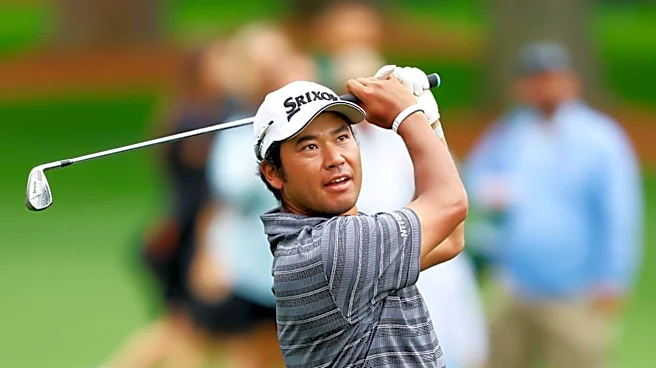
TPC Southwind is a par-70 course that isn't excessively long, but it demands precision. Time and again during the tournament, you see the leaders hitting less-than-driver off the tee. Why? Because finding the correct side of the fairway is more important
than gaining an extra 20 yards. For amateurs, the takeaway is huge: stop reflexively pulling the driver on every par 4 and 5. Think about where you want your second shot to come from. Hitting a hybrid or a long iron to a wider part of the fairway often leaves you with a better angle and a higher chance of hitting the green, dramatically lowering the risk of a blow-up hole.
Play the Percentages Around Water
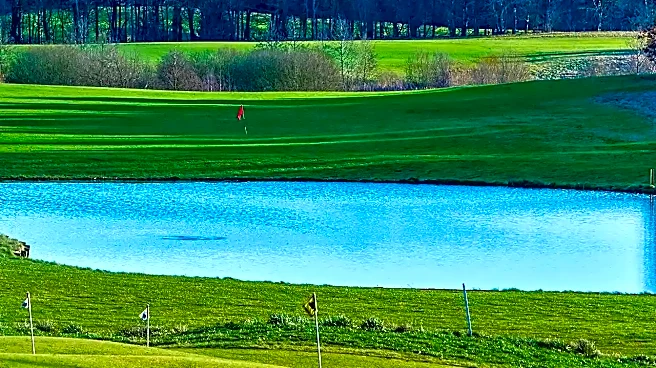
Water is a defining feature at TPC Southwind, coming into play on 11 holes. The pros show a healthy respect for these hazards. On holes like the difficult par-3 11th, with its island-like green, or the brutal finishing 18th, where water guards the entire left side, the smart play is often to aim for the fat part of the green or fairway, far from trouble. Amateurs, on the other hand, frequently take on heroic shots over water that have a tiny chance of success. Learn from the pros: accept that par is a great score on a tough hole. A long putt from the middle of the green is always better than a penalty drop.
Master the 'In-Between' Shots
One of the reasons TPC Southwind is such a great test is that it constantly leaves players with awkward yardages. A huge percentage of approach shots come from between 125 and 200 yards. The world's best players excel at controlling trajectory and distance with knockdown shots, three-quarter swings, and other creative plays. For the average golfer, this is a glaring weakness. We tend to have one speed: full swing. Practice taking a club up and swinging easier to hit it a specific number. Learning how to comfortably hit an 8-iron 140 yards instead of its max 150 will unlock a new level of scoring.
Know When to Be Aggressive
Course management isn’t just about playing safe; it’s about knowing when to attack. While there are plenty of holes at TPC Southwind that demand caution, there are also a few birdie opportunities. The leaders know which pins to go after and which ones to ignore. They might play conservatively on the tough 14th but attack a favorable pin on the par-5 16th. For your own game, this means creating a plan. Before your round, identify the holes that fit your eye and the ones that have historically given you trouble. Decide where you can afford to be aggressive and where your goal is simply to make a stress-free par. This kind of planning separates thoughtful golfers from reactive ones.
Embrace the Art of Scrambling
Even the best players in the world miss greens at TPC Southwind; its greens-in-regulation percentage is lower than the Tour average. The key is that they don’t panic. Success at this course often comes down to who scrambles best. Past champions have consistently ranked high in strokes gained around the green. Amateurs often compound one mistake with another, turning a missed green into a double or triple bogey because they try a low-percentage flop shot from a bad lie. Instead, learn to love the simple chip-and-run. Focus on getting your next shot, any way how, onto the putting surface. Acknowledging that you will make mistakes and focusing on recovery is a pro-level mindset.