
The Concrete Jungle's Grand Stage
The US Open’s modern identity was forged in 1978 when it moved from the staid West Side Tennis Club in Forest Hills to a custom-built facility in Flushing Meadows, Queens. The switch from grass and then clay courts to a gritty, unforgiving hard court surface
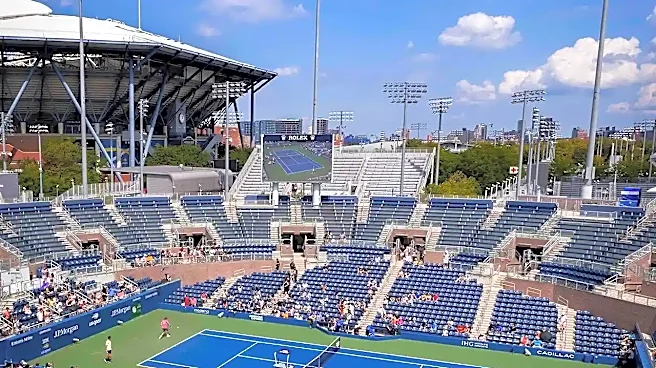
fundamentally changed the style of play. Speed and power became paramount, and the new environment—louder, larger, and more democratic—reflected its host city. Arthur Ashe Stadium, the largest tennis-specific venue in the world, isn't just a court; it's a cauldron. With nearly 24,000 seats, the sheer scale creates an arena-like atmosphere unlike any other in tennis. The tournament draws the largest crowds in the sport, and their energy is a defining feature, making the Open a true test of nerve as much as skill.
A Trailblazer for Equality
Long before it became the industry standard, the US Open made a groundbreaking stand for equality. In 1973, it became the first Grand Slam to offer equal prize money to its male and female champions. This was not a minor adjustment; it was a revolutionary act driven by the tireless advocacy of Billie Jean King. After winning in 1972, King received $15,000 less than her male counterpart, Ilie Năstase, and she threatened a boycott if the disparity wasn't addressed. The tournament organizers, with the help of a commercial sponsor, responded. That year, both champions, John Newcombe and Margaret Court, received checks for $25,000. It would take the other three Grand Slams decades to follow suit, cementing the US Open’s legacy as a progressive force in sports.
Where Night Tennis Comes Alive
While other Slams wind down as the sun sets, the US Open comes alive. The night sessions at Arthur Ashe Stadium are legendary, offering what many players and fans consider the most electric atmosphere in tennis. The combination of primetime scheduling, a vocal New York crowd, and the stadium's colossal, steep structure creates an intense, gladiatorial vibe. Matches feel less like polite sporting contests and more like heavyweight bouts under the bright lights. These sessions are deliberately scheduled to feature the sport's biggest stars, creating a self-fulfilling cycle of high drama and massive viewership. Iconic moments, from dramatic comebacks to career-defining victories, have unfolded deep into the New York night, making the US Open night session a can't-miss spectacle.
The Grand Slam of the Underdog
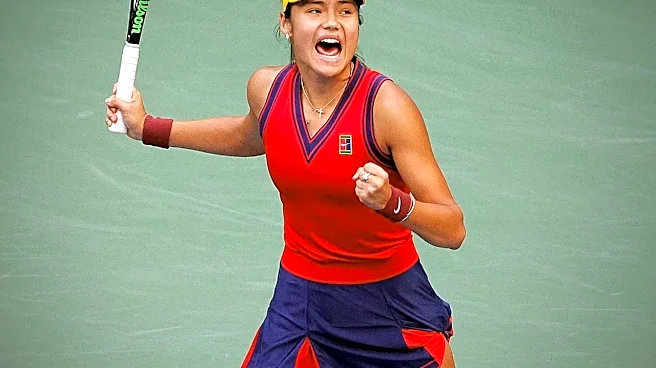
The tournament’s demanding conditions and high-pressure environment have created a history rich with upsets and unlikely champions. The fast hard courts can neutralize the advantages of top players, opening the door for rising stars and resilient veterans to make their mark. Arthur Ashe himself provided one of the most iconic moments, winning the inaugural US Open in 1968 as the first African American man to win a Grand Slam title. In more recent years, shocking runs have become a signature of the event. Emma Raducanu’s fairytale victory in 2021 as a qualifier, Bianca Andreescu’s triumph in 2019, and Sloane Stephens's incredible comeback win in 2017 are all part of a legacy where anything can happen. It's a place where legends are both crowned and created, often when no one sees it coming.