


The Day-Long Ritual, Not a Three-Hour Game
In professional sports, the event begins at kickoff. For college football, kickoff is merely the climax of a ritual that starts with the sunrise. The tradition of tailgating transforms sprawling parking lots and campus greens into thousands of mini-fandom
festivals. This isn't just about grabbing a hot dog before the game; it’s a foundational part of the experience, a practice dating back to the very first college football game in 1869. Fans create elaborate temporary homes, complete with grills, couches, TVs, and generations of family and friends. It is a massive, communal block party where the game itself is only one part of the day's sacred schedule. This shared, day-long commitment creates a sense of collective participation that a two-hour commute to a pro stadium can rarely match.
An Unfiltered, Primal Passion
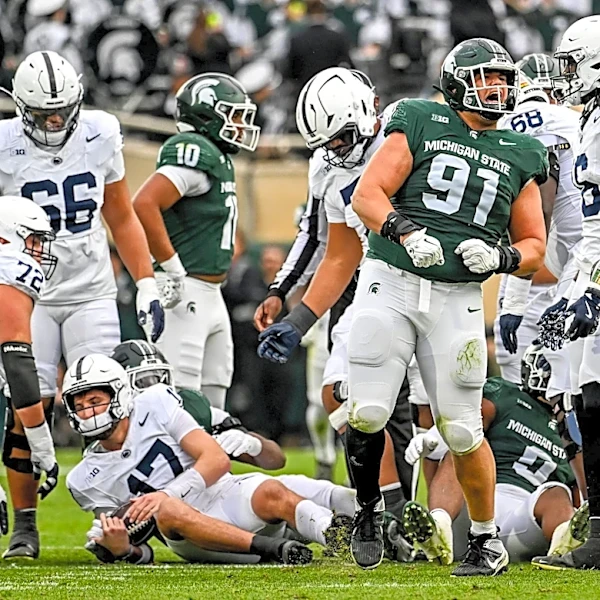
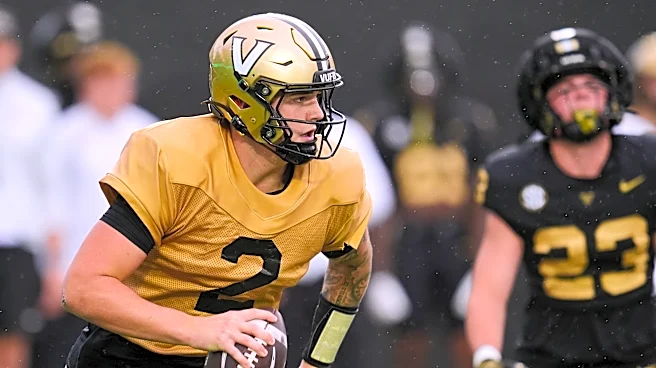
While professional leagues are polished, corporate productions, college football often feels raw, chaotic, and beautifully imperfect. The players are student-athletes, not salaried employees, creating a different kind of bond with the fan base. The loyalty isn't to a billionaire owner or a city franchise, but to an alma mater. This connection feels deeply personal, as if you’re cheering for your younger brother or the kid from your hometown. That emotional investment results in a passion that feels less commercialized and more organic. The highs feel higher and the lows feel more devastating because the connection is rooted in a shared identity, not just a transaction.
The Pageantry Is the Main Attraction
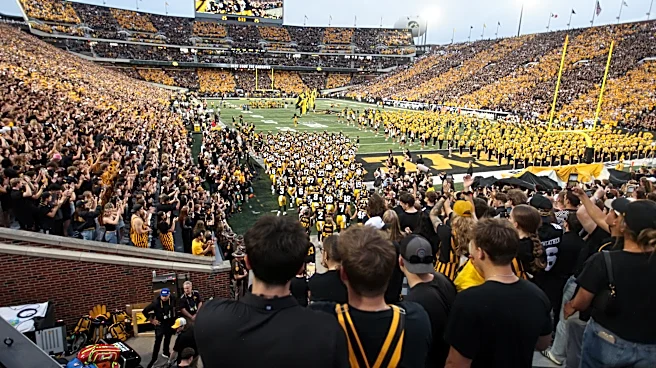
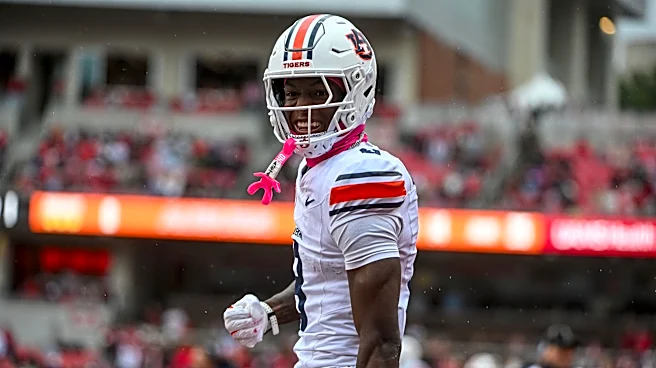
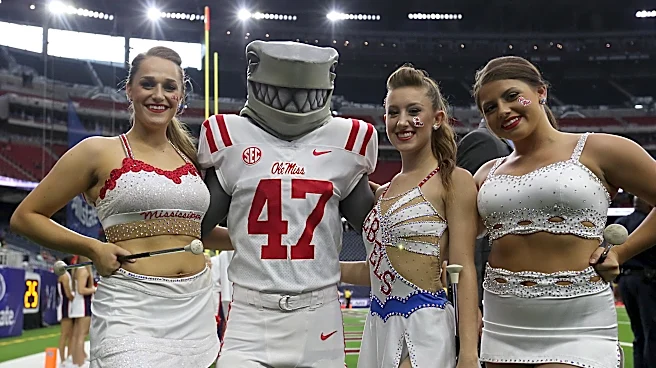
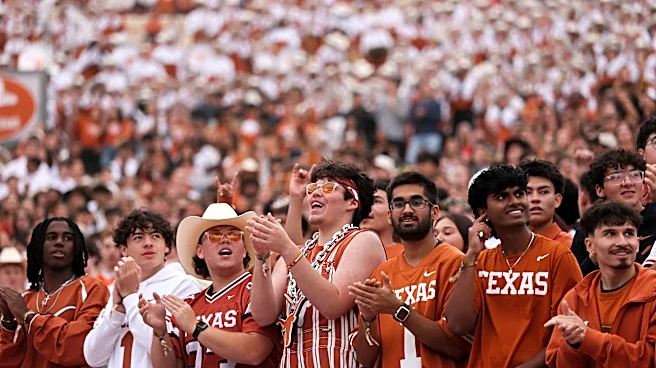
In what other sport is the marching band’s halftime show an unmissable spectacle? Or a specific song capable of making a 90,000-seat stadium physically shake? College football’s pageantry—the coordinated student sections, the century-old fight songs, the elaborate pre-game entrances—is not a sideshow; it’s woven into the very fabric of the event. From Ohio State’s band ”dotting the i” to Clemson’s team touching Howard’s Rock before running down the hill, these traditions are as legendary as any player. They provide a rhythm and a historical weight to the day, turning a simple game into a grand, theatrical production fueled by student-led enthusiasm.
Identity Is Local and Deeply Personal
For vast stretches of America, especially in the South and Midwest, there is no nearby NFL team. The state university’s football team isn't just a team; it’s a regional identity. Fandom is often a birthright, an allegiance passed down through generations that defines communities. Rivalries aren’t just between two teams; they're deeply ingrained cultural clashes representing different cities, values, or histories. The passion for teams in states like Alabama, Nebraska, or Oklahoma is tied to a profound sense of place and community pride that professional sports, with their transient players and corporate branding, struggle to replicate. It feels less like you’re a fan of a team and more like the team is a representative of you.
Every Single Game Carries Unforgiving Stakes
In the long 162-game season of baseball or the 82-game grind of basketball, an early-season loss is a minor setback. In college football, it can be a catastrophe. With a short season and a historically unforgiving path to a championship, a single defeat can extinguish a team’s national title hopes. This imbues every Saturday with a level of desperation and drama that is rare in other sports. The knowledge that a perfect season can be shattered at any moment makes every game feel like a playoff. This constant, high-stakes pressure creates an atmosphere of nervous energy and explosive release that defines the viewing experience from September to November.