







What Is a Decision Tree, Anyway?
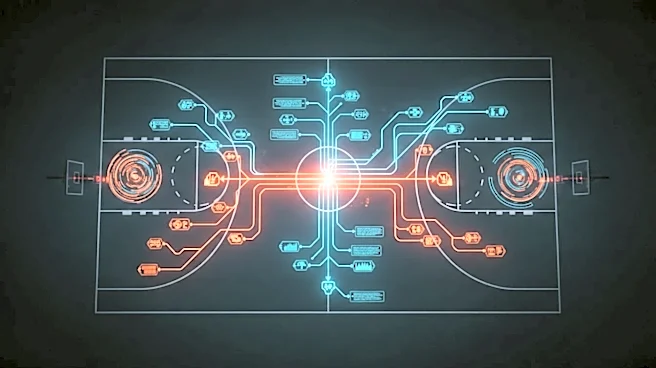
Forget complex charts and algorithms. In basketball, a “decision tree” is the lightning-fast mental map a player navigates in every moment. It’s a series of if-then calculations that happen in fractions of a second. If the defender sags off, do you shoot
or reset the offense? If a double team comes, where is the open teammate? A player with a deep, efficient decision tree doesn’t just have skills; they have a high basketball IQ. They not only see the right play but also process the court geometry faster than their opponents. It’s the difference between a good player, who can make a shot, and a great player, who knows when not to shoot.
The All-Star Game as a Testing Ground
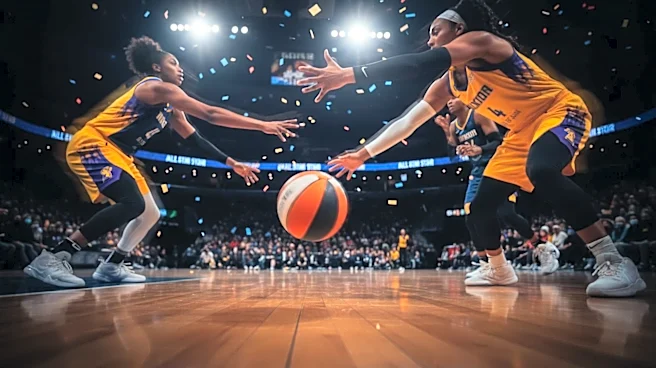
A regular-season game is a structured environment. Players operate within familiar systems, running plays they’ve practiced for months with teammates they know inside and out. The All-Star Game throws that comfort out the window. It’s a beautifully chaotic pick-up game with the most talented players on the planet. For coaches, this is an invaluable test. They get to see how a player communicates with new personalities, adapts to a different pace, and, most importantly, makes decisions when the playbook is gone. Does a star instinctively organize the offense? Does a shooter recognize when to become a facilitator? The less-structured environment reveals a player’s purest instincts and their innate understanding of the game.
Reading Beyond the Box Score
During the All-Star Weekend, a coach’s evaluation goes far beyond points, rebounds, and assists. They’re watching for the subtleties. For instance, how does a player react after a turnover? Do they get back on defense with intensity, or does their body language show frustration? Coaches look for the pass that sets up the assist—the so-called “hockey assist”—which demonstrates court vision that stats often miss. They observe how players handle mismatches on both ends of the floor without a coach yelling out instructions. A player who can direct traffic on defense or exploit a positional advantage on offense in a free-flowing game is showcasing a level of intelligence that translates to any team and any system.
From Theory to the Hardwood in Chicago
The 2026 All-Star Game in Chicago provided a masterclass in this kind of evaluation. With legends like Cynthia Cooper and Teresa Weatherspoon serving as general managers and top coaches like Becky Hammon and Cheryl Reeve on the sidelines, the brain trust was undeniable. They were watching as a new generation of stars, including top vote-getter Paige Bueckers and rookie phenom Olivia Miles, shared the floor with established MVPs like A'ja Wilson and Breanna Stewart. A coach might notice how a player like Caitlin Clark, known for her scoring, navigates a possession where she’s playing with other primary scorers. Does she defer too much, or does she find creative ways to be effective off the ball? Observing how a first-time All-Star like Jessica Shepard communicates with a veteran like Jonquel Jones on a pick-and-roll gives coaches a read on her adaptability and confidence. These moments are data points that go into future scouting reports, trade conversations, and even national team selections.