





Your Brain on Constant Context Switching
The core experience of a fantasy football Sunday is something cognitive scientists call “context switching.” Every time you glance from the live game to your fantasy matchup, then to the RedZone channel, then back to your phone to check a box score, you’re
forcing your brain to disengage from one task and reload a new one. This isn’t multitasking, which is a myth; it’s rapid, sequential task-juggling. Each switch comes with a cognitive cost. It takes time and mental energy to re-focus, which is why at the end of a seven-hour NFL marathon, you feel disproportionately exhausted. You haven't just been watching football; you've been managing a portfolio of human assets in real-time, and your brain pays a tax for every single shift in focus.
The Dopamine Slot Machine
Why is refreshing your fantasy score so compulsive? You can thank dopamine, the brain's reward chemical. Fantasy football acts like a perfectly designed slot machine. The rewards—a touchdown, a long reception, a defensive turnover—arrive on what’s known as a “variable-ratio reinforcement schedule.” You never know when the next reward is coming, which makes the act of checking incredibly compelling. Neuroscientists have found that the anticipation of a reward can be more powerful than the reward itself. Each time you refresh your app, you’re not just checking the score; you’re pulling the lever on that slot machine, seeking that anticipatory hit of dopamine that keeps you hooked, minute by agonizing minute.
The End of Traditional Fandom
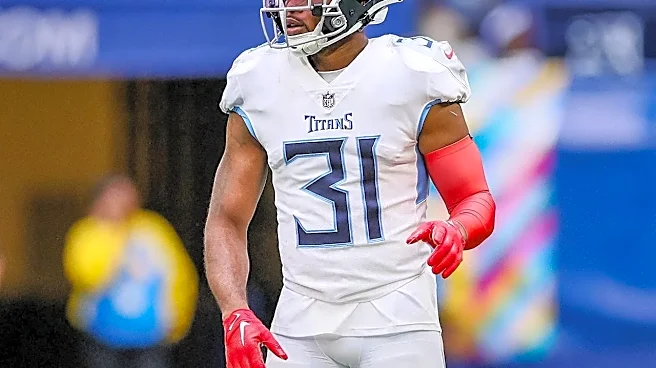
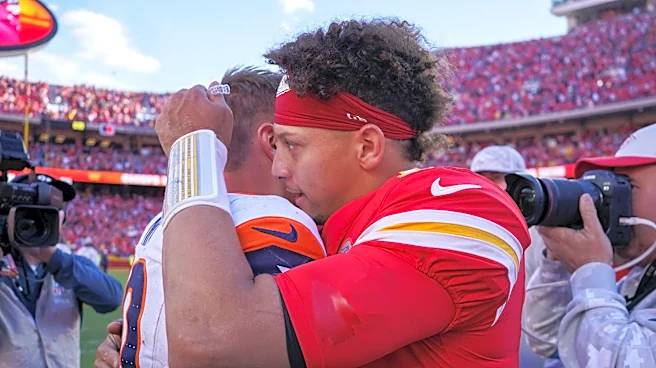
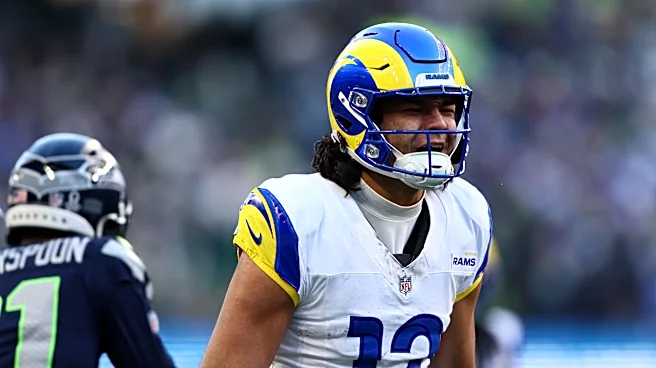
Fantasy has fundamentally altered how we consume the sport itself. For many, allegiance is no longer to a single team but to a scattered collection of individual players on their fantasy roster. A touchdown for your favorite team’s bitter rival might trigger a celebratory fist pump because their receiver is your WR1. This creates what some have called “fractured loyalties.” You’re no longer just watching a game; you’re scanning the entire league for developments relevant to your fantasy matchup. The game ticker at the bottom of the screen, once a minor convenience, is now a vital information pipeline. This viewing style transforms a communal, focused experience into a fragmented, data-driven one.
The Micro-Dose of All-Day Anxiety
Beyond the cognitive load, there's the emotional toll. A full day of fantasy football is a seven-hour rollercoaster of micro-emotions. There's the flash of hope when your running back breaks into the open field, the gut-punch of an interception, and the low-grade, persistent anxiety that comes from watching your weekly opponent’s score tick steadily upward. Highly engaged fantasy players often report increased stress and negative moods, especially when their teams perform poorly or when money is on the line. Each play carries a weight that extends beyond the actual game, tying your emotional state to the statistical output of two dozen athletes you’ve never met. It’s this emotional investment, as much as the data, that keeps your attention captive until the final whistle of the Sunday night game.