

The New York Pressure Cooker
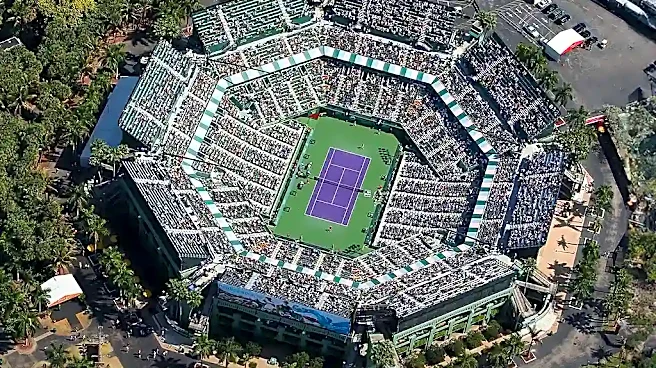
No other Grand Slam feels, or sounds, like the US Open. Held in New York City, the tournament mirrors the metropolis it calls home: it's loud, chaotic, and relentlessly demanding. Unlike the respectful quiet of Wimbledon, Arthur Ashe Stadium is a cauldron
of noise, with over 23,000 fans creating an electric, concert-like atmosphere. Some players, like American Frances Tiafoe, thrive on this energy, drawing strength from the rowdy crowds. For others, the constant noise, the smell of food, and the late-night matches under the floodlights are a massive drain on focus and energy. This environment is a test of mental fortitude as much as physical skill. Surviving, let alone winning, in the New York spotlight requires a specific kind of toughness that proves a player has the nerve for the sport's biggest stages.
The Last Chance for Glory
As the final Grand Slam of the season, the US Open is the ultimate 'now or never' moment. For players who haven't won a major all year, it represents the last opportunity to salvage their season and claim a career-altering title. This chronological placement raises the stakes immensely. Players are also at their most fatigued after a long, grueling season on clay and grass, making the tournament a brutal test of endurance. Winning in New York demonstrates not just skill but also remarkable durability and the mental strength to perform when the pressure is at its absolute peak. The list of recent winners often features different names each year, highlighting how the tournament's unique timing can produce unpredictable and thrilling results.
The Great Hard-Court Equalizer
The US Open has been played on three different surfaces throughout its history—grass, clay, and now hard court. The current acrylic hard courts are a great equalizer. Unlike the grass of Wimbledon, which favors big servers and net-rushers, or the clay of the French Open, which rewards defensive grinders, hard courts provide a neutral battleground. The surface rewards a complete, all-around game, with a true bounce that demands both aggressive shot-making and excellent movement. This balanced environment means that more players have a legitimate chance to win, opening the door for surprise champions and dramatic upsets. It’s a surface that tests every part of a player's arsenal, and victory here confirms a mastery of the modern game.
A History of Breakthrough Moments
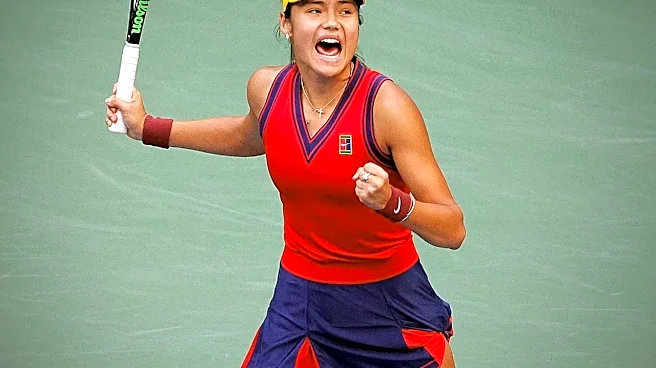
More than any other major, the US Open has a legacy of launching careers and creating legends overnight. In 2021, teenage qualifier Emma Raducanu shocked the world by winning the title, a feat unheard of in the modern era. In 2012, Andy Murray captured his first-ever Grand Slam here in an epic final. Naomi Osaka became a global superstar after defeating Serena Williams in 2018 for her first major title. The tournament also holds a special place for American players, with stars like Coco Gauff and Sloane Stephens achieving breakthrough home-country victories that defined their careers. Even just a deep run can be transformative; players like Ben Shelton became household names after electric performances in front of the American crowd. This history of creating new stars adds to the tournament's mystique and cements its reputation as the land of opportunity in professional tennis.