



The 80s Spectacle That Started It All
Cast your mind back to 1988. The world of professional wrestling was a cartoon brought to life, ruled by larger-than-life titans. The first SummerSlam was built on this foundation, headlined by the Mega Powers—Hulk Hogan and "Macho Man" Randy Savage—taking
on their rivals in a main event that felt like a blockbuster movie. For the generation of fans who came of age during the "Hulkamania" boom, this was everything. These early events were defined by spectacle, colorful characters like The Ultimate Warrior, and straightforward stories of good versus evil. These are the fans who are now parents and grandparents, the ones who bought the first tickets and laid the foundation for the tradition. Their nostalgia isn't just for the matches, but for a moment in time when wrestling became a global phenomenon.
An Attitude-Fueled Revolution
As the 90s wore on, the bright colors of the 80s gave way to a grittier, more cynical edge. The Attitude Era didn't just change WWE; it created a new kind of fan. SummerSlam became a focal point for this rebellion. This was the era of Stone Cold Steve Austin driving a beer truck to the ring, of The Rock’s electrifying promos, and of ladder matches that pushed the boundaries of daredevilry. Fans who were teenagers in the late 90s weren't just watching a show; they were participating in a cultural rebellion every Monday night. SummerSlam was their WrestleMania, a chaotic summer party that reflected their anti-authority spirit. These fans, now in their late 30s and 40s, often introduce their own kids to wrestling, bridging the gap between their edgier heroes and the more athletic stars of today.
New Heroes for a New Millennium
The turn of the millennium saw another shift. With the rise of John Cena, the company embraced a more family-friendly approach, creating a generation of young fans captivated by his "Never Give Up" mantra. This era, often called the "Ruthless Aggression" and later the "PG Era," created a clear generational divide. Older fans who missed the Attitude Era's chaos were sometimes critical, but their children had found their own Hulk Hogan. Simultaneously, stars like Edge, Randy Orton, and later CM Punk and Daniel Bryan appealed to fans who valued in-ring technical skill above all else. This period complicated the fanbase, creating different pockets of viewers who wanted different things from the product, yet all still gathered under the SummerSlam tent each August.
The Modern Era's Global Reunion
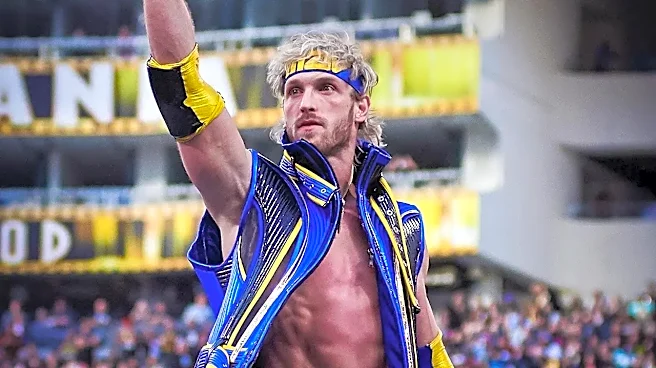
Today's WWE is a global, multi-platform entity, and SummerSlam reflects that. The event has grown into a two-night stadium spectacle, a testament to its enduring appeal. The current roster is a fascinating mix that speaks to all generations. You have Roman Reigns, a dominant, old-school champion whose long-term storytelling captivates modern audiences. You have Cody Rhodes, a superstar who literally carries the legacy of the past with him. And you have a deep roster of international talent and a thriving women's division that has become a main-event draw. This year's event in Minneapolis, with matchups pitting modern legends like CM Punk against today's top stars like Cody Rhodes, and a historic rivalry renewed between Roman Reigns and Seth Rollins, perfectly illustrates this blend. It’s a card designed to appeal to everyone, from the lifelong fan to the casual viewer drawn in by the buzz.
A Shared Language in the Ring
Ultimately, what makes SummerSlam a generational bridge is that wrestling has its own language. A grandfather might see a wrestler apply a Sharpshooter and remember Bret "The Hitman" Hart in the 90s, while his granddaughter sees the same move and knows it as a signature of a current star. They are watching different things, yet the same thing. The event is a living museum, where legends can return for one more match, where new stars are made in shocking moments, and where themes of betrayal, redemption, and glory are retold in new ways. It’s a tradition that renews itself every year, adding new layers of history for the next generation to discover.