

The Purity of the Game
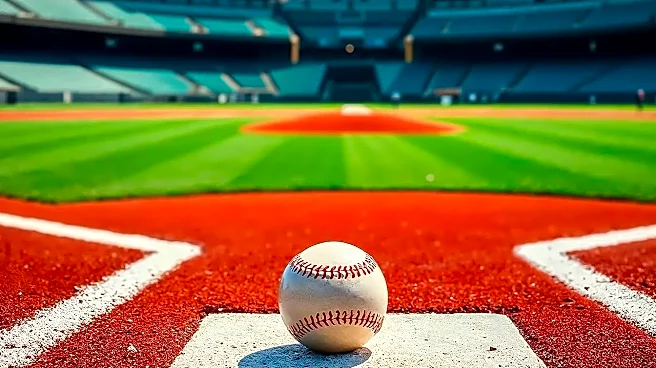
In a world dominated by billion-dollar contracts and complex analytics, the Little League World Series offers a refreshing return to baseball in its simplest form. The players aren't professionals; they are 10- to 12-year-olds playing for the love of the game.
There are no contract holdouts or trade rumors, just the raw emotion of kids representing their hometowns with pride. This purity is a major part of its appeal, reminding viewers of the simple joy of playing a game. The tears, the smiles, and the unbridled excitement are genuine, offering a stark contrast to the often-jaded world of pro sports. This authentic passion is what draws millions of viewers each year.
A Global Stage in a Small Town
The tournament’s setting is a key part of its charm. It all started in 1939 when Carl Stotz founded the first league in Williamsport. The championship tournament began in 1947, and while it has grown into a global phenomenon, its heart remains in that same central Pennsylvania community. Each year, teams from all over the world—from Japan to Latin America to Canada—descend on this small American town. The players live together in a dorm-style complex, trading pins and forming friendships. This creates a unique cultural exchange, turning a baseball tournament into a lesson in global camaraderie. It’s a true “World” Series, where international competition fosters unity.
An Unwavering Spirit of Sportsmanship
Some of the most enduring moments from the LLWS have nothing to do with home runs or strikeouts. They are the displays of incredible sportsmanship that frequently go viral. Whether it's a pitcher consoling an opponent after a tough loss, a player helping an adversary tie their shoe, or a team hugging a crying pitcher from the other squad, these acts of kindness define the event's character. In a competitive environment, the players consistently demonstrate a level of empathy and respect that serves as a powerful reminder of what sports should be about. These moments are actively encouraged by the Little League organization and are a core part of its identity.
The Power of Television
The Little League World Series might have remained a charming local event if not for television. ABC began broadcasting the championship game in 1963, and its partnership with ESPN since the 1980s has elevated the tournament to a national institution. The networks don't just show the games; they tell the stories. Viewers learn about the players, their families, and their communities, creating a deep narrative connection. This extensive coverage, which now includes hundreds of regional and World Series games, has turned small-town heroes into household names for a few weeks every summer and solidified the event as a major fixture on the American sports calendar.
A Tradition Passed Down
For many families, watching the LLWS is an annual tradition, a final marker of summer before school begins. The nostalgia is potent. Parents and grandparents who played or watched Little League themselves can see the tradition continue with a new generation. The iconic imagery—kids sliding down the grassy hill behind Lamade Stadium on cardboard sleds, the packed stands, and the emotional parent interviews—all contribute to a sense of timelessness. Admission to the games remains free, a rare holdout against the commercialization of modern sports and a testament to the event's community-focused origins. This connection across generations helps secure its place as more than just a tournament, but a piece of cultural heritage.