



Signal vs. Noise: The Opportunity Principle
Forget the complex formulas for a moment and focus on one simple, unifying idea: opportunity. The single most predictive factor in fantasy football is not talent or efficiency in a vacuum, but a player's volume of work. A mediocre player with tons of opportunity will
almost always outscore a hyper-talented player who rarely touches the ball. Your job as a manager is to stop chasing last year's fluky efficiency scores and start identifying players who are set to receive a heavy workload. Volume is king. Everything else is secondary.
Running Backs: Touches and Red Zone Work
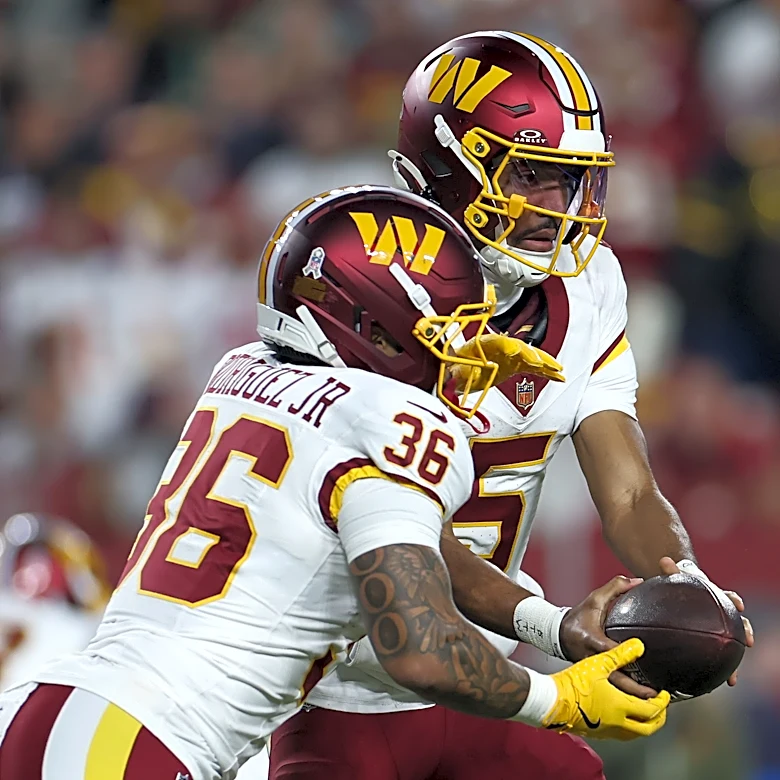
For running backs, it’s brutally simple. The most stable, year-over-year stat is touches per game. A running back who gets 20-plus touches in a game has an incredibly high chance of finishing as a top-tier fantasy option for that week. Don't get overly seduced by yards per carry. A back's receiving work is also critical; targets are more valuable than carries in most scoring formats and show a commitment from the offense. Beyond total volume, pay attention to red zone usage. A player who gets consistent carries inside the 10-yard line is a prime candidate for touchdowns, which, while hard to predict, are fantasy gold.
Wide Receivers & Tight Ends: Targets and Routes Run
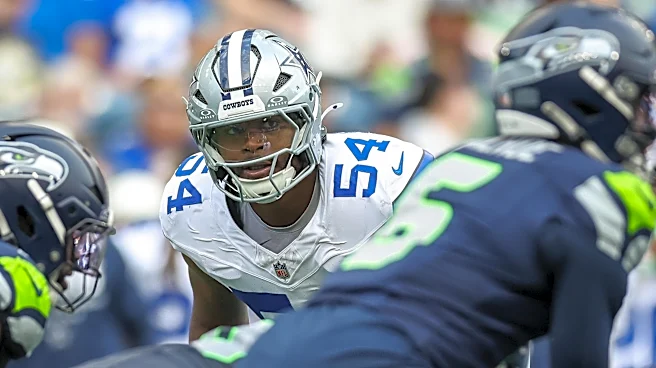
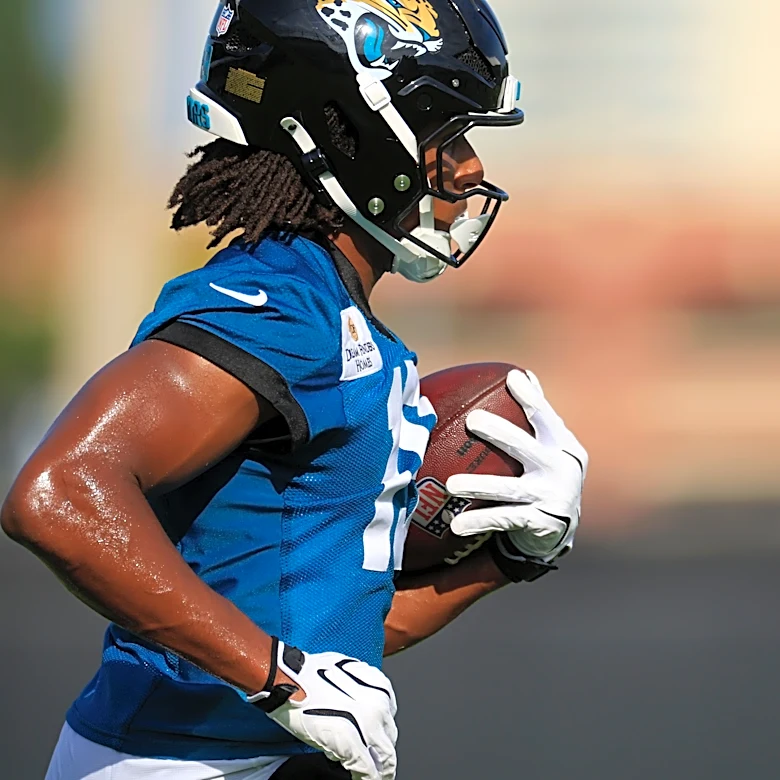
For pass-catchers, opportunity is measured in targets. It's the lifeblood of their production. A player who consistently sees a high target share—the percentage of his team's passes thrown his way—is almost guaranteed a solid fantasy floor. But not all targets are created equal. Deeper targets are more valuable, which is where a metric like 'air yards' (the distance the ball travels in the air) can offer context. However, an even more fundamental stat is 'routes run'. A player can't earn a target if he isn't on the field running a route. High route participation is a prerequisite for elite fantasy production at the tight end and wide receiver positions.
Quarterbacks: Pass Attempts and Offensive Environment
Quarterback performance can feel volatile, but here too, volume provides a stable foundation. A quarterback on a team that throws the ball frequently will have more chances to accumulate yards and touchdowns. Look at team-level passing rates and game scripts. Are they a pass-happy offense? Are they likely to be playing from behind? Beyond pure volume, the quality of the offensive line is a crucial, often-overlooked factor. A quarterback who has ample time to throw is more likely to be efficient and avoid costly sacks or turnovers. Finally, a quarterback's own rushing ability provides a massive fantasy floor and ceiling, as rushing yards and touchdowns are worth significantly more than their passing equivalents.
The Trap Metrics You Can Safely Ignore
Part of simplifying your process is knowing what to discard. Be wary of touchdown rates from the previous season; they are notoriously volatile and unlikely to repeat. A player who scored 12 touchdowns last year on 150 touches was lucky, not necessarily skilled in a repeatable way. Be cautious with efficiency stats like yards per carry or catch rate in isolation. A high yards-per-carry average can be propped up by a few long runs, and a low catch rate might be due to a quarterback throwing inaccurate passes. These metrics tell you what happened, but they are far less predictive of what will happen than simple, opportunity-based stats.