



The Anatomy of a 'Baseball Freak'
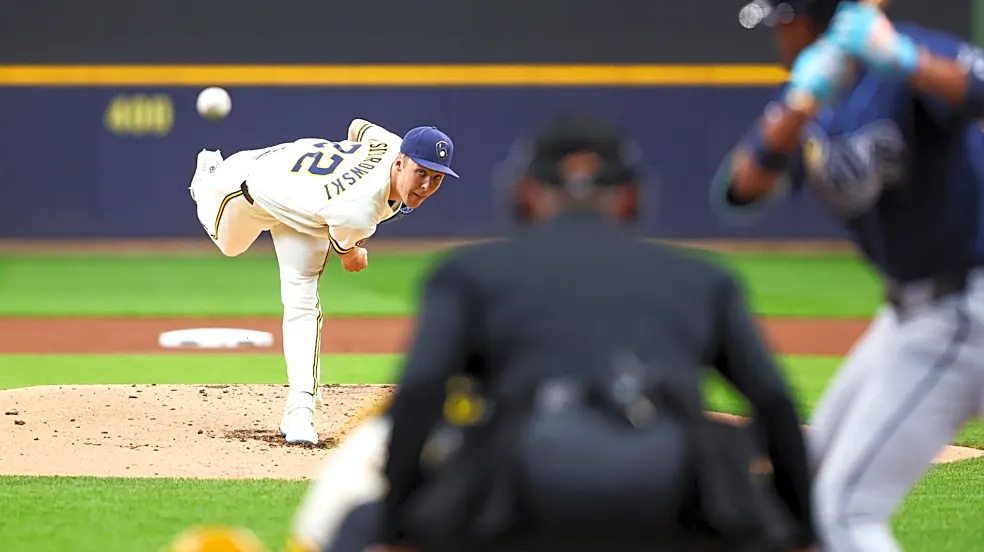
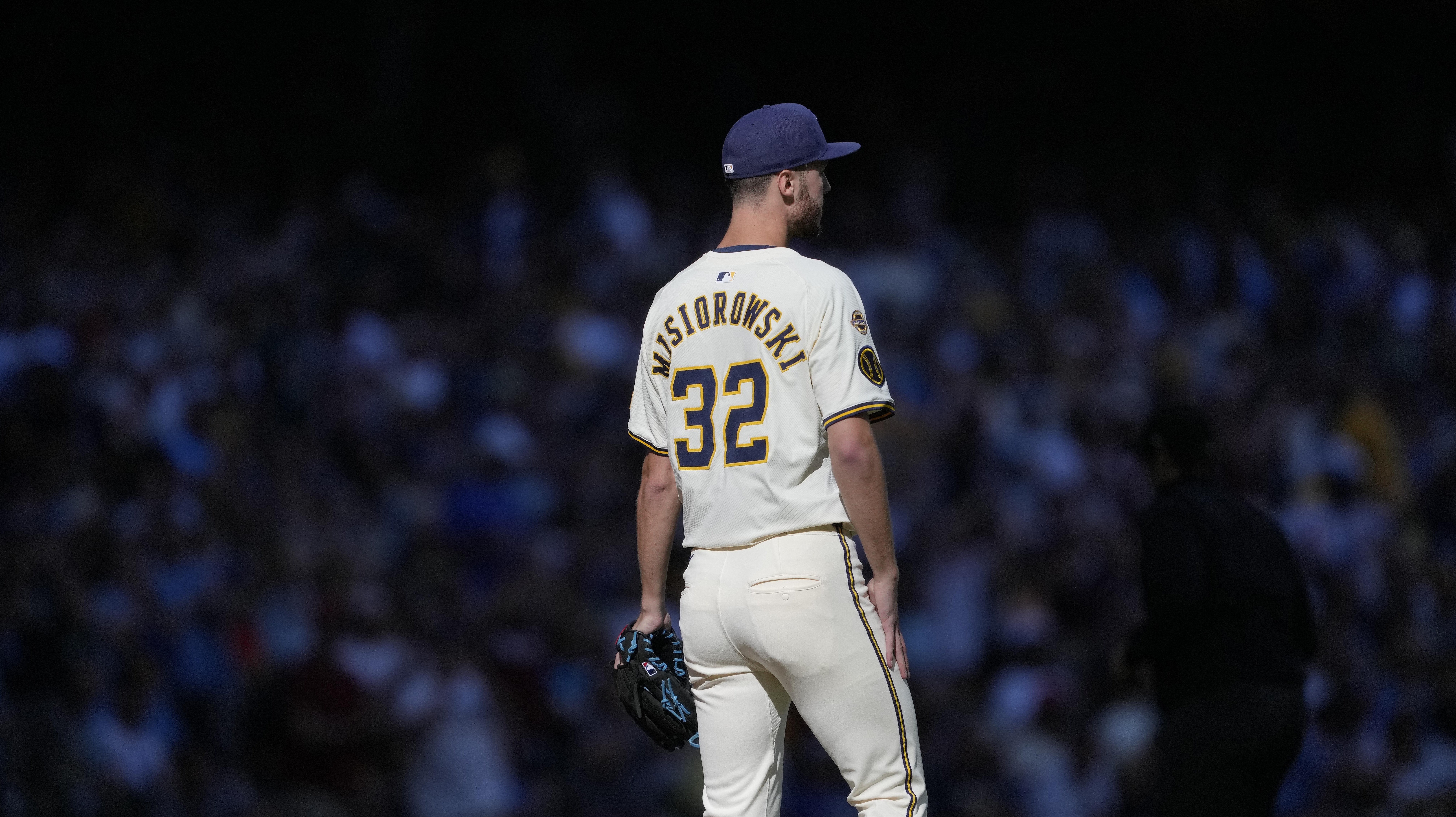
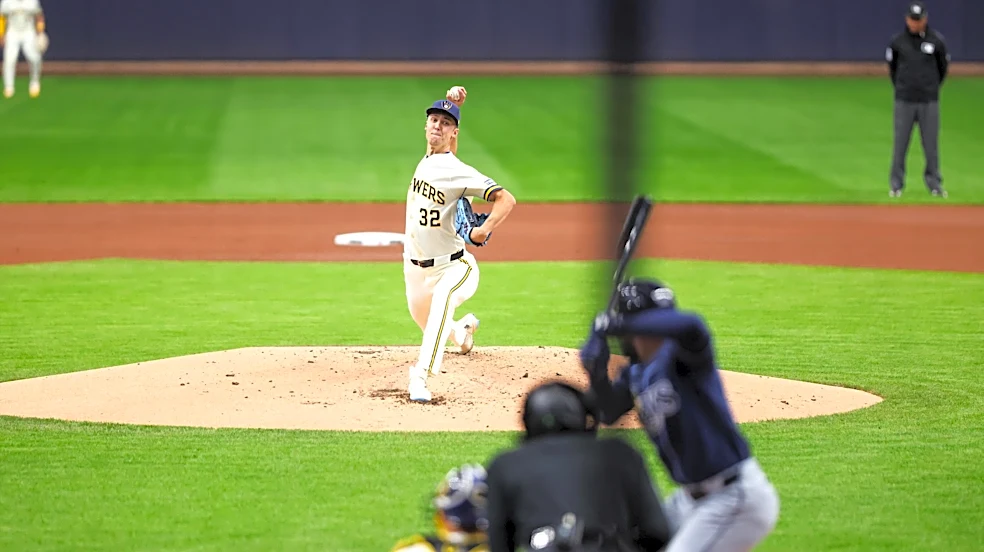
The first thing you notice about Jacob Misiorowski on the mound is his staggering presence. Standing 6-foot-7, he is a tower of long limbs and leverage, an architecture that is itself an immediate advantage. But size alone doesn't make a pitcher unique.
It's what that frame produces. Misiorowski unleashes a fastball that consistently lives in the triple digits, a feat that has become more common in relief but remains a rarity for starters. In 2026, he reportedly became the first pitcher in the Statcast era to throw 1,000 pitches over 100 mph in a single season. What makes this even more daunting for hitters is his extension. Because of his long stride, he releases the ball an incredible 7.6 feet from the pitching rubber, making his average 100.6 mph fastball feel more like 103 mph to a helpless batter. This combination of a high release point, extreme velocity, and elite extension creates a pitching plane and reaction time that very few hitters have ever encountered.
An Arsenal of Unfair Pitches
If the fastball were his only weapon, Misiorowski would be intimidating enough. But it's his secondary pitches that elevate him from a hard thrower to a potential ace. His primary breaking ball is a devastating slider in the low-to-mid 90s. Analysts have noted its movement profile is bizarrely similar to what some pitchers throw as a four-seam fastball, creating immense confusion for hitters trying to decipher spin. Beyond the slider, he features a cutter that also approaches triple digits and an upper-80s curveball that ranks among the hardest in the game. His command of these pitches has been a work in progress since his minor league days, a common challenge for pitchers with such long levers. Yet, during his stellar 2026 campaign, where he led the league with 252 strikeouts and a 1.80 ERA, he showed marked improvement in his control, suggesting he is harnessing his explosive power.
Searching for a Historical Comparison
So, have we seen this before? The easy comparison is Randy Johnson. 'The Big Unit' was a similarly tall (6-foot-10), intimidating left-hander with a triple-digit fastball and a legendary slider. Like Misiorowski, Johnson battled control issues early in his career before becoming one of the most dominant pitchers in history. However, Misiorowski is a right-hander and arguably throws even harder, more consistently, than Johnson did as a starter. Other tall, hard-throwing starters like Nolan Ryan come to mind for their velocity and strikeout totals, but Ryan was shorter. More recent power pitchers like Stephen Strasburg or Jacob deGrom have featured similar velocity, but without Misiorowski's towering height. Perhaps the truth is that Misiorowski isn't a carbon copy of any one pitcher but a composite of the most fearsome traits from several legends: Johnson's height and intimidation, Ryan's stamina and velocity, and the modern, high-spin arsenal of today's aces.
The Risk and the Reward
The profile of a pitcher this extreme always carries inherent risk. The mechanics required to coordinate a 6-foot-7 frame to throw 104 mph are a high-wire act. Throughout his minor league career, scouts consistently pointed to his control as the biggest hurdle between his raw stuff and top-of-the-rotation dominance. While his walk rate improved significantly during his breakout 2026 season, maintaining that consistency is his next great challenge. The Brewers have also been cautious with his workload, understanding the stress such velocity puts on an arm. This careful management is the cost of cultivating a generational talent. The risk is a career derailed by the very forces that make him special. The reward, however, is a pitcher who could redefine what is possible from the mound and dominate the sport for a decade.