


The 12th Man: Texas A&M's Spirit of Service
At Texas A&M, the fans don't just watch the game—they stand for the entire duration, ready to be called upon. This tradition dates back to the 1922 Dixie Classic, when the underdog Aggies were suffering so many injuries that Coach Dana X. Bible called a student,
E. King Gill, down from the press box. Gill, a former player, suited up and stood on the sideline, ready to serve if needed. He never played a down, but his willingness to answer the call created the legend of the "12th Man." Today, the entire student body embodies this spirit, standing as a visible and vocal symbol of support. It represents a promise that Aggies are always ready to serve, a core value that extends far beyond the stadium walls.
Script Ohio: The Best Damn Band in the Land's Signature
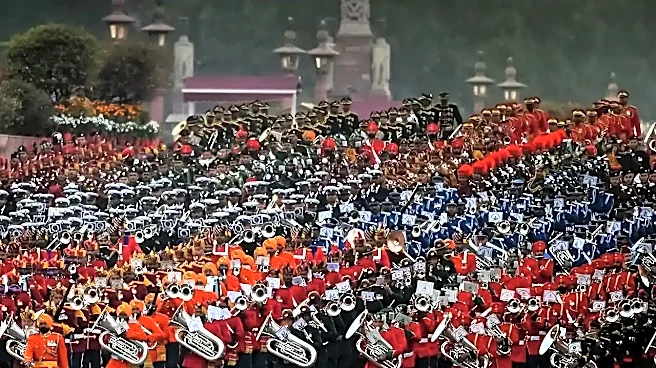
Arguably the most famous tradition in all of collegiate marching arts belongs to The Ohio State University Marching Band. First performed in its flowing style in 1936, Script Ohio is a marvel of precision and elegance. The 228-member, all-brass-and-percussion band meticulously spells out "Ohio" in cursive across the field. The formation, inspired by the marquee of a downtown Columbus theater, culminates in its most celebrated moment: a fourth- or fifth-year sousaphone player trotting to the top of the "i" to ceremoniously dot it. It's the highest honor for a band member and the moment the crowd's roar reaches a crescendo, a perfect fusion of music and football pride.
Jump Around: Wisconsin's Stadium-Shaking Frenzy
If you're at Camp Randall Stadium for a Wisconsin Badgers game, you know what’s coming between the third and fourth quarters. The iconic opening horns of House of Pain's "Jump Around" blast through the speakers, and for the next few minutes, the entire stadium becomes a pogo-sticking mass of humanity. The tradition started on October 10, 1998, during a tight game against Purdue. An injured player working with the marketing department suggested the song, and it immediately electrified the crowd. The synchronized jumping of nearly 80,000 fans literally shakes the stadium, creating one of the most intimidating and energetic home-field advantages in the sport.
The Sooner Schooner: Oklahoma's Touchdown Celebration
Following every Oklahoma score at home, a piece of history comes to life. The Sooner Schooner, a replica of a Conestoga wagon used during the 1889 Land Run, thunders onto the field. Pulled by two white ponies named Boomer and Sooner, the wagon is driven by members of the RUF/NEKS spirit squad in a triumphant arc. First introduced in 1964 and named the official mascot in 1980, the Schooner is a direct nod to the state's pioneer history and the "Sooners" who settled the territory. This rolling celebration is a distinctive and beloved symbol of Oklahoma's heritage and on-field success.
The Eagle Flight: Auburn's Majestic Kickoff
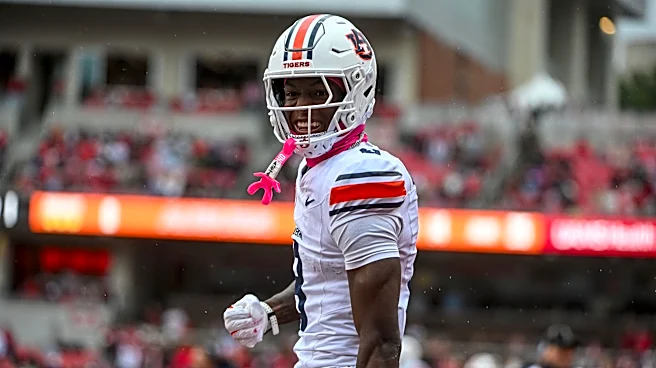
Few pre-game traditions are as breathtaking as Auburn's. Moments before kickoff at Jordan-Hare Stadium, a live eagle is released, soaring in circles over the field as 88,000 fans yell "WAAAARRRR... EAGLE!" The tradition began in 2000, in partnership with the Southeastern Raptor Center, to promote wildlife conservation. The birds, either a golden or bald eagle, are unable to survive in the wild and are cared for by the university. The flight path is unpredictable, but its dramatic landing at midfield perfectly captures the untamed spirit of the Auburn Tigers and creates an unforgettable spectacle.
Rivalry Trophies: The Quirky Spoils of Victory
Beyond individual school rituals, college football is defined by its rivalries, many of which are memorialized with delightfully quirky trophies. These aren't polished silver cups; they're objects steeped in lore. The Little Brown Jug, a humble earthenware water crock, has been contested between Michigan and Minnesota since 1903. Wisconsin and Minnesota battle for Paul Bunyan's Axe, a massive six-foot axe that the winning team uses to ceremonially "chop down" the goalposts. These tangible prizes—from Floyd of Rosedale (a bronze pig) to the Old Oaken Bucket—represent more than a single win; they embody generations of history, regional pride, and bragging rights that last a full year.