


The Frustrating Lack of Production
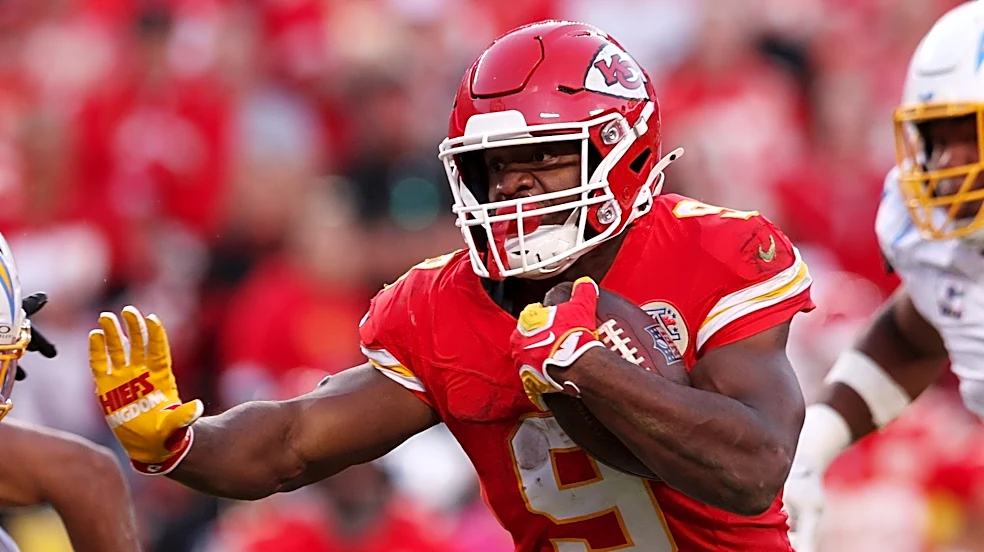
Let's start with the obvious: the numbers are not good. Through six games, Pollard has found the end zone only once and has largely been a non-factor in the passing game, averaging just over two targets per contest. For a player drafted with the expectation
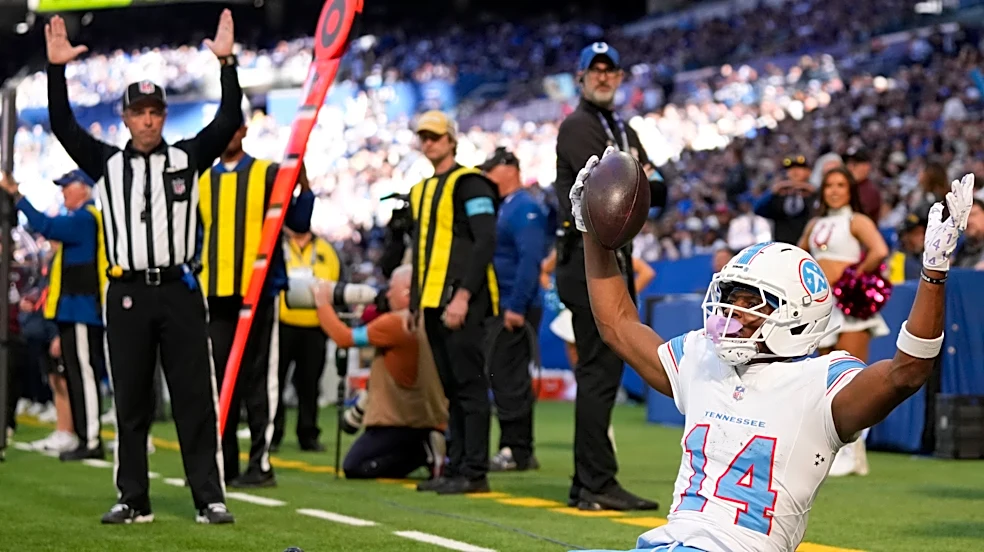
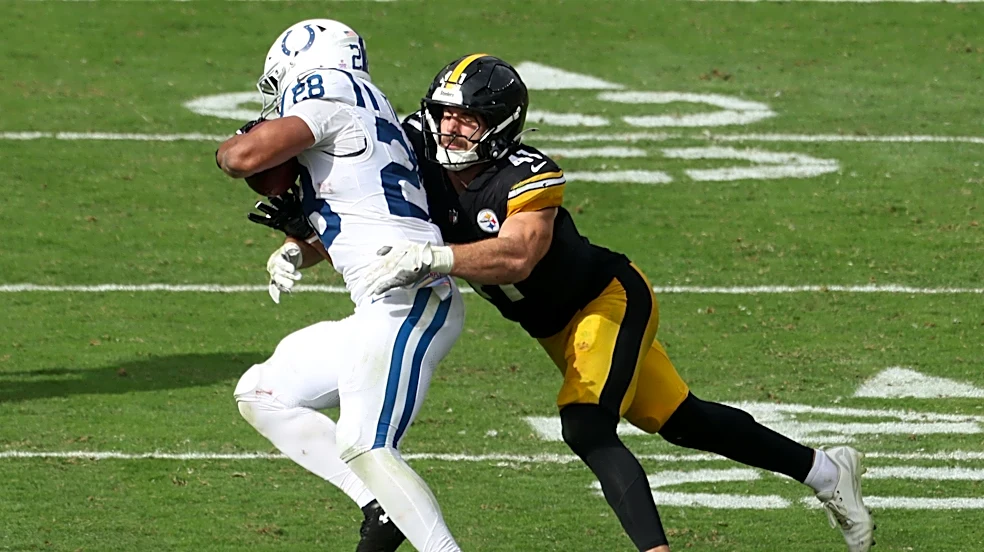
of being a steady RB2, he's performing more like a desperate flex play. He has failed to finish as a top-12 running back in any week this season and has ranked as a top-24 option just twice. His recent performance in Week 6 against the Colts was a perfect example of the problem: he handled 19 of the team's 20 running back carries but delivered just 76 rushing yards and failed to catch his only target, resulting in a meager fantasy output. This wasn't an outlier; it's part of a concerning trend of high volume not translating into fantasy points.
It's Not All His Fault
While it's easy to place the blame squarely on Pollard, the situation in Tennessee is far from ideal. The Titans' offense has struggled mightily, ranking near the bottom of the league in points per game. A major culprit is the offensive line, which entered the season ranked as one of the league's worst units, coming in at 27th according to some preseason analytics. This line has struggled to create running lanes, and the offense as a whole has had trouble sustaining drives, limiting scoring opportunities. When your quarterback is under constant pressure and the offense can't get into a rhythm, the running back's ceiling is naturally capped. The Titans simply haven't been in many positive game scripts where they can lean on the run game to close out a lead, further hurting Pollard's value.
The Usage Conundrum
Despite the poor production, one positive for Pollard has been his near-monopoly on backfield carries. In the Week 6 win, he saw 19 carries while his backup, Tyjae Spears, received only one. Pollard has consistently seen a heavy workload, falling below 14 carries just once this season. However, his snap share has hovered around 54% in recent weeks, with Spears still involved, particularly in the passing game. This usage pattern makes Pollard highly dependent on rushing yards and, more importantly, touchdowns—which have been almost non-existent. Without involvement as a receiver, his fantasy floor is shaky; if he doesn't break a long run or fall into the end zone, a bust week is almost guaranteed.
The Verdict: What to Do With Pollard
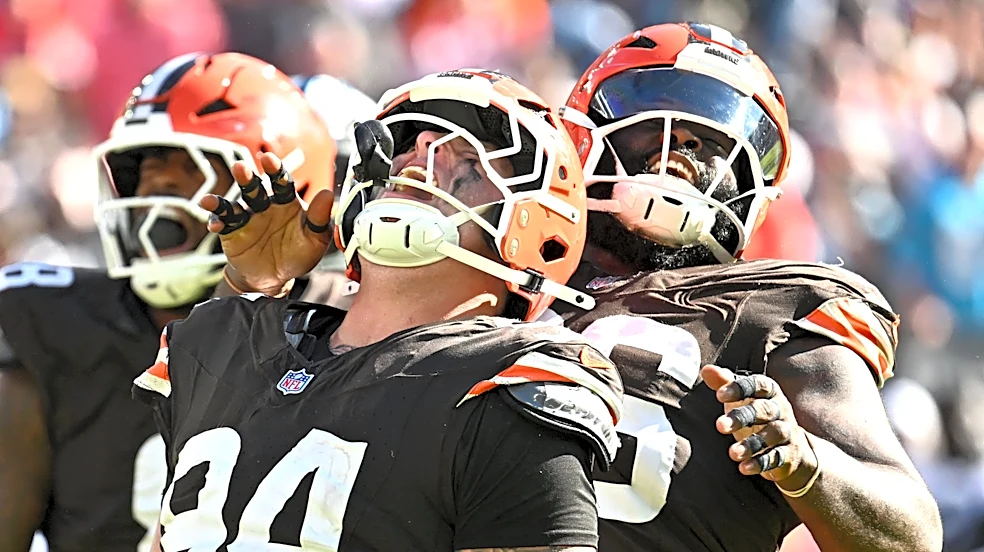
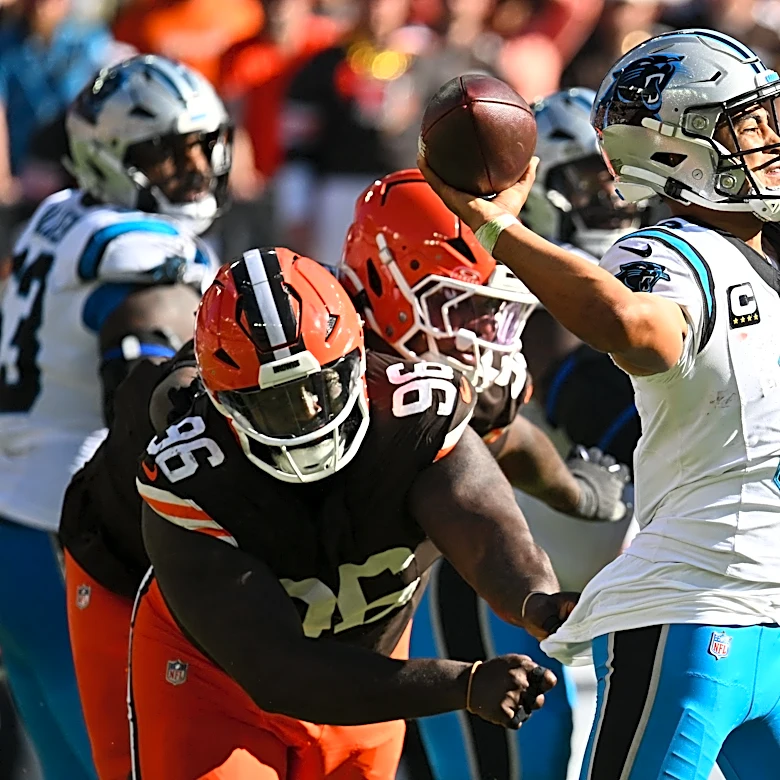
So, is it time to send him to the bench? The answer is complicated. Against tough run defenses, the answer is an emphatic 'yes'. His upcoming schedule looks brutal, facing several defenses that have been effective at shutting down the run. For example, his Week 7 opponent, the Cleveland Browns, have allowed only one rushing touchdown to running backs all season. In matchups like that, starting him is asking for disappointment. However, his dominant share of the carries means he can't be dropped. He's best viewed as a volume-dependent, low-end RB2 or flex option who is entirely matchup-dependent. You can't trust him every week, but against a softer run defense, his workload could finally translate into a productive fantasy day. He has become a player you play based on the opponent, not a player you start automatically.