

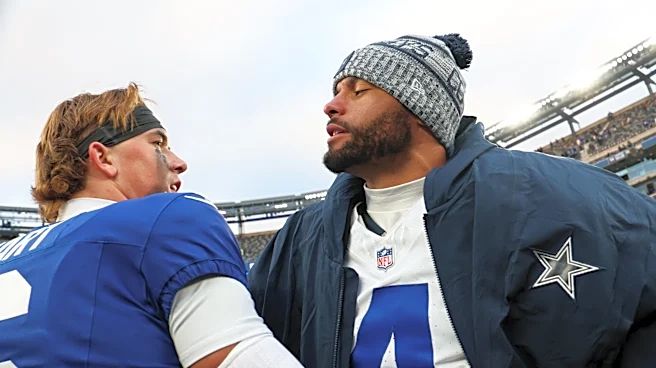
The Church of Monday Night
There was a time when Monday Night Football was appointment television for the entire country. When it debuted in 1970, it wasn't just another game; it was a primetime spectacle. The visionary producers at ABC used more cameras and a three-man booth—most
famously featuring the caustic Howard Cosell—to turn the broadcast into a show. It became a cultural touchstone, a place where celebrities like John Lennon might show up in the booth and presidents avoided scheduling speeches. For years, the meaning was simple: it was the one game everyone was watching, a shared conversation starter at the water cooler on Tuesday morning. You watched for the love of the game, or for loyalty to one of the two teams playing. The stakes were communal.
The Rise of the Virtual GM
While fantasy football has roots going back to the 1960s, it remained a niche hobby for decades, requiring painstaking manual stat-tracking. The internet changed everything. In the late '90s and early 2000s, online platforms from Yahoo and ESPN automated the process, making it accessible to millions. Suddenly, anyone could be a general manager. The number of players exploded, with an estimated 60 million people in the U.S. now participating. This created an entirely new way to engage with the sport. It was no longer just about your favorite team; it was about your team—the collection of players you drafted from across the entire league.
From Team Allegiance to Player Obsession
This is the fundamental shift. Traditional fandom is built on unwavering loyalty to one team. Fantasy football complicates that by creating dozens of micro-allegiances. A die-hard Bears fan might find themselves silently fist-pumping when the Packers' quarterback throws a touchdown, all because that QB is on their fantasy roster. This player-specific focus makes every game relevant. A meaningless matchup between two out-of-contention teams can become a must-watch event if your fantasy season hangs in the balance. Research has shown that fantasy players watch significantly more hours of football, simply because they have a vested interest in games they would have otherwise ignored.
The Final Boss of the Fantasy Week
This brings us back to Monday night. For the modern fantasy player, MNF is no longer just a standalone game; it's the final act of a week-long drama. It’s where fantasy matchups are won or lost. Trailing by 15 points with only your wide receiver left to play is a uniquely modern form of sports anxiety. You aren't just watching a game; you're glued to the screen, calculating points for every reception, every yard, and every soul-crushing touchdown scored by your opponent's kicker. The game itself can become secondary to the constantly updating stat line on your phone. Monday Night Football is the final boss of the fantasy week, the last chance for heroic comebacks or heartbreaking defeats.
How the Broadcast Has Adapted
The NFL and its broadcast partners have fully embraced this new reality. What started as a niche hobby is now a multi-billion dollar industry that drives engagement. Networks now cater directly to the fantasy audience, integrating real-time player statistics, fantasy-focused analysis, and dedicated on-screen tickers into their broadcasts. The NFL's own RedZone channel is a testament to this shift, offering a firehose of scoring plays designed for viewers with scattered interests across the league. Even in-stadium experiences have been updated, with many venues now required to display fantasy stats for the fans in attendance. The broadcast isn't just presenting a game anymore; it's providing a data service for the millions of virtual GMs watching at home.