




The Seaside Wildcard
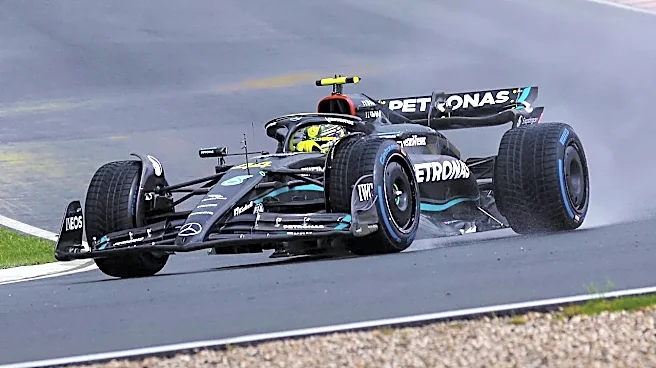
Most F1 circuits are predictable environments. Zandvoort is not one of them. Its location just a stone's throw from the North Sea means weather systems can roll in with breathtaking speed. A sunny practice session can give way to a torrential downpour
minutes later. This isn't just about rain; it's about the wind and sand. Strong gusts coming off the sea can unsettle the finely tuned aerodynamics of an F1 car, making it feel unstable through high-speed corners. That same wind also has a habit of blowing sand from the surrounding dunes onto the racing surface. On a microscopic level, this acts like a layer of fine marbles, drastically reducing grip and forcing drivers to constantly hunt for traction on a track that is already narrow and unforgiving.
A Rollercoaster in the Rain
Zandvoort’s most iconic features are its banked corners, particularly the Hugenholtzbocht (Turn 3) and the final Arie Luyendykbocht (Turn 14). With an incline of around 18 degrees, they are far steeper than anything else on the modern F1 calendar. In dry conditions, this banking allows drivers to carry incredible speed, creating multiple potential racing lines. But when it rains, these concrete bowls become cauldrons of chaos. The angle complicates water drainage, meaning rivers can form across the track, leading to aquaplaning at immense speeds. The typical racing line might not be the one with the most grip, forcing drivers to experiment lap after lap. These forces also put enormous, sustained stress on the tires and suspension components, which aren't designed for the constant vertical load of such extreme banking, especially when grip is already compromised.
The Strategic Nightmare
For the engineers on the pit wall, a wet Dutch Grand Prix is the ultimate high-stakes chess match. The decision of when to switch from slick tires to intermediates, or from intermediates to full wets, can win or lose the race. A team that pits a lap too early risks shredding their treaded tires on a drying track; a team that waits a lap too long can find their driver skating into a barrier. Zandvoort’s tight and twisting layout amplifies these gambles. A slow pit stop or a misjudged strategy call is more punishing here, as the lack of long straights and easy overtaking spots makes it incredibly difficult to regain lost track position. Furthermore, morning rain can wash away all the rubber laid down during practice and qualifying, completely resetting the track’s grip level and throwing carefully curated setup data out the window just before the lights go out.
The Great Equalizer
In a dry race, the car with the best aerodynamic efficiency and power unit often has an undeniable edge. Rain changes that equation entirely. It becomes a great equalizer, reducing the performance gap between the front-runners and the midfield. The advantage shifts from pure car performance to driver skill, bravery, and adaptability. A driver who excels at finding grip where there is none, who can feel the limits of the car with precision, can suddenly challenge for a podium. Wet weather introduces chaos, increasing the likelihood of safety cars that bunch the field up and blow strategies wide open. As seen in previous rain-affected races here, the unpredictable conditions can lead to a record number of overtakes and a completely shuffled order, turning a potentially predictable Sunday drive into one of the most thrilling spectacles of the season.