

Breakdown 1: The 'Late-Round QB' Is Now a Trap
In a standard 1QB league, waiting until the middle or late rounds to draft a quarterback is a foundational strategy. With only 12 starting QBs needed in a 12-team league, there's an abundance of decent options. You can snag a top-15 QB in the eighth round and focus
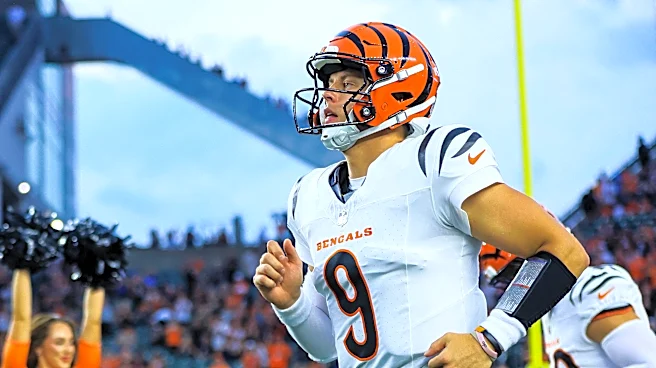
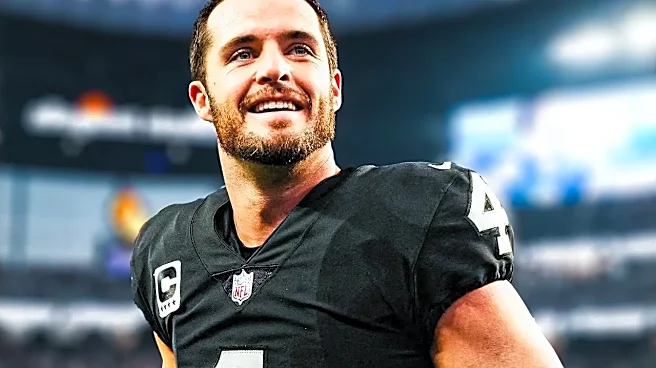
your precious early-round capital on elite running backs and wide receivers. In Superflex, this mindset is a ticket to last place. The format allows you to start a second QB in a 'flex' spot. Because quarterbacks consistently score more points than any other position, it's almost always the optimal play. This effectively doubles the demand, meaning up to 24 starting QBs can be rostered as weekly starters. The supply of reliable NFL starters simply can't meet that demand, transforming quarterbacks from a plentiful commodity into the scarcest and most valuable asset on the board. Waiting until the eighth round won't land you a savvy veteran; it will leave you with a shaky backup and a massive weekly point deficit.
Breakdown 2: Your Entire Draft Board Is Warped
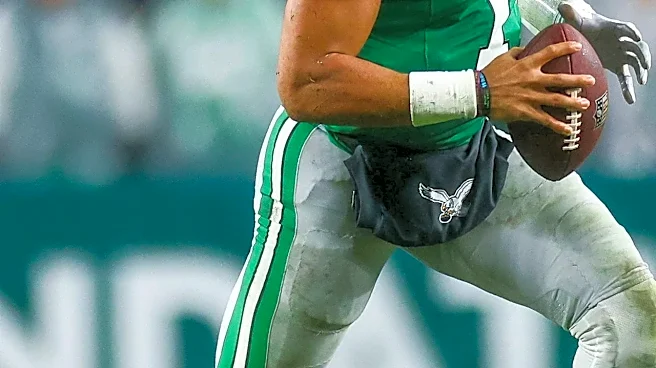
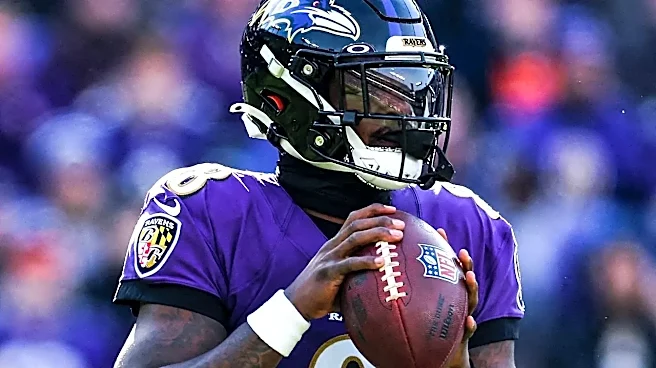
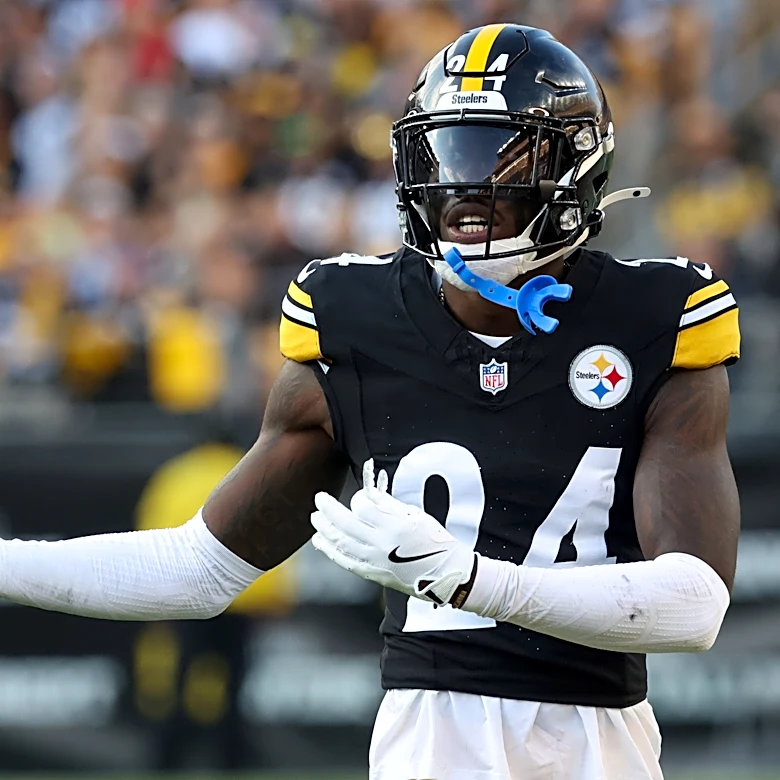
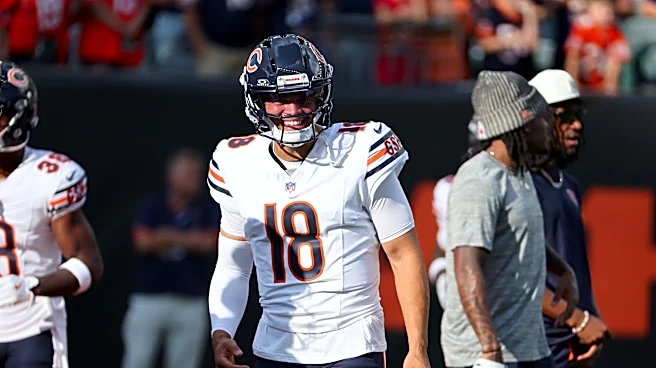
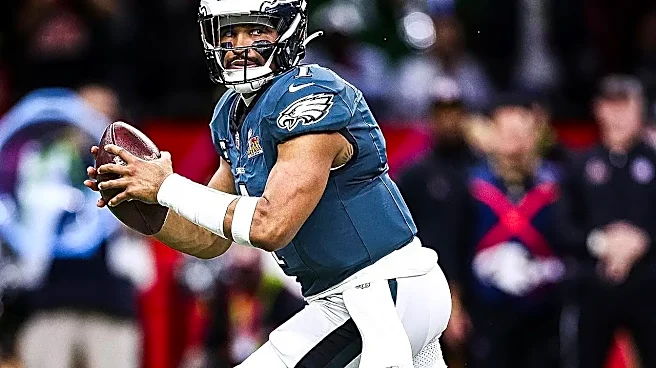
The shift in quarterback value doesn't just affect one position; it creates a seismic ripple effect across your entire draft board. In 1QB leagues, the first round is a predictable parade of the best running backs and wide receivers. In a Superflex draft, elite quarterbacks justifiably crash that party. It's common to see players like Josh Allen, Lamar Jackson, and other top-tier QBs go in the first round. This pushes elite talent at other positions down the board. While that might seem like a gift, it's a strategic puzzle. Do you grab the last top-tier QB available in the second round, or do you pounce on the stud wide receiver who has fallen into your lap? Using a standard 1QB rankings list in a Superflex draft is like trying to use a map of New York City to navigate London. The landmarks are all in the wrong places, and you will get lost. Your valuation of every single player has to be recalibrated through the lens of QB scarcity.
Breakdown 3: The Definition of Scarcity Flips
In 1QB leagues, managers obsess over running back scarcity. The dreaded 'RB dead zone' is a product of knowing that reliable, high-volume running backs are few and far between. In Superflex, the truest form of scarcity is the competent, starting quarterback. While losing your RB1 hurts in any format, losing your QB1 in Superflex without a solid QB3 on your bench can be a season-ending catastrophe. In a 12-team 1QB league, the waiver wire always has a streamable QB option. In a 12-team Superflex league, the waiver wire is a barren wasteland for quarterbacks. Even a team's direct backup QB will be rostered. This means you must draft for depth at the position, aiming to have at least three, and sometimes even four, starting-caliber QBs on your roster to navigate bye weeks and injuries. That third quarterback isn't a benchwarmer; they are your insurance policy and a powerful trade chip.
Breakdown 4: In-Season Management Is a New Game
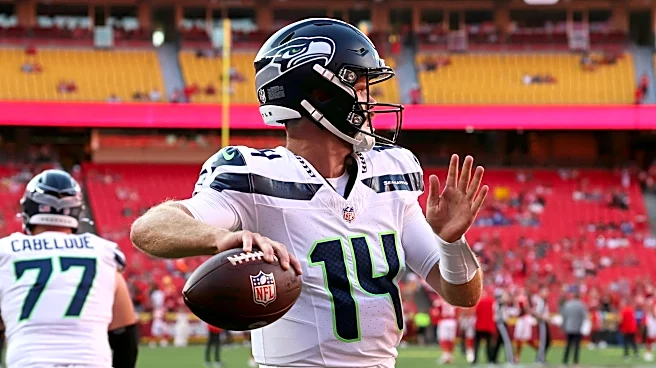
The passive waiver wire habits of a 1QB manager won't cut it. In Superflex, you have to be hyper-aware of every team's QB situation across the NFL. When a starting quarterback gets injured, his backup immediately becomes one of the most valuable waiver wire additions of the season. In a 1QB league, that same backup might go unclaimed. This also changes the trade market completely. A manager with three strong QBs holds all the cards. If a rival's starter goes down, that QB surplus transforms into a king's ransom, allowing the savvy manager to demand a top-tier running back or receiver in return. Hoarding quarterbacks, a questionable tactic in 1QB, can be a legitimate, league-winning strategy in Superflex. You are no longer just managing your own team; you are actively managing a portfolio of the NFL's most valuable position.