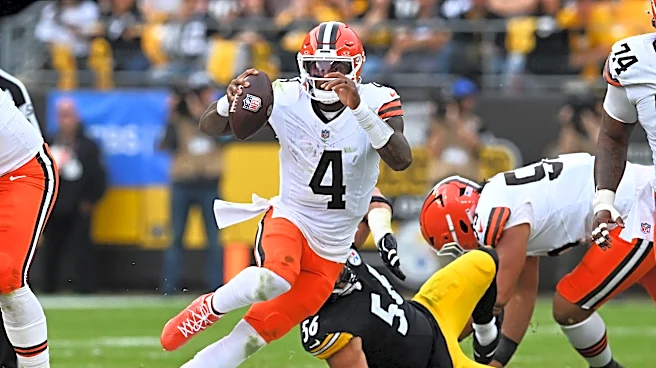


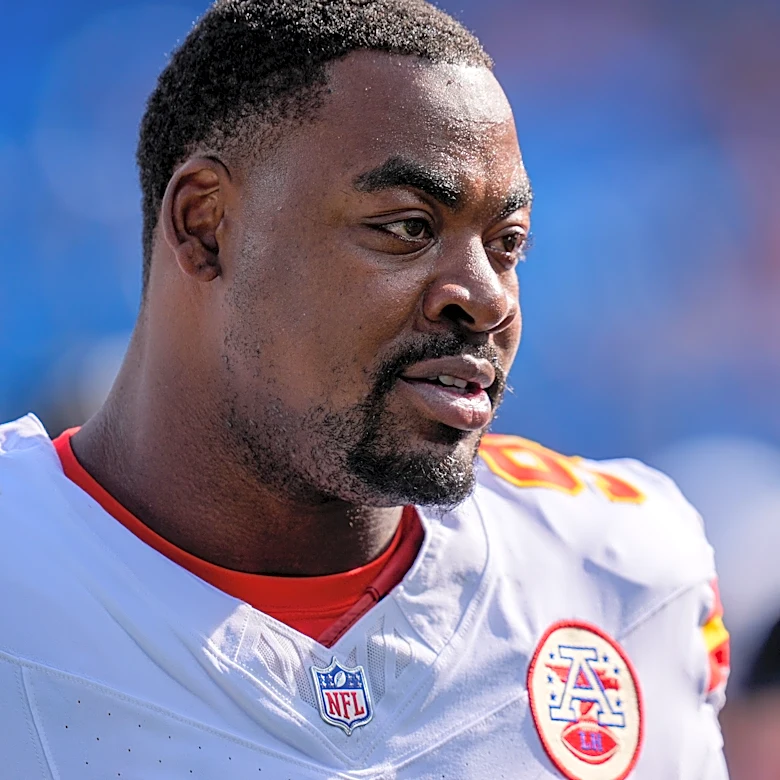

It’s the question vexing fantasy managers who spent a high draft pick on Quinshon Judkins: What do you do with him? One week he’s a league-winner, the next he’s a liability. This volatility has opened a classic buy-low window for the Browns' lead back.
A Tale of Two Weeks
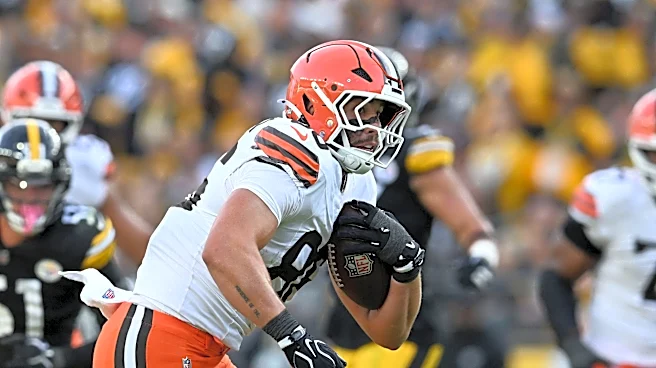
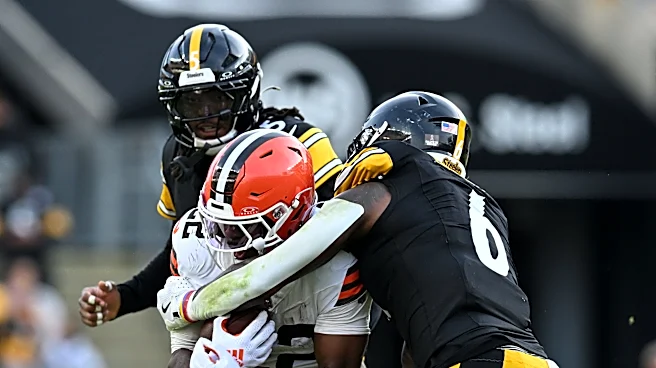
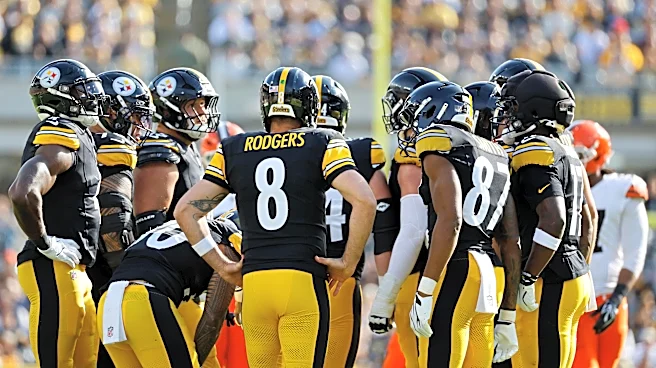
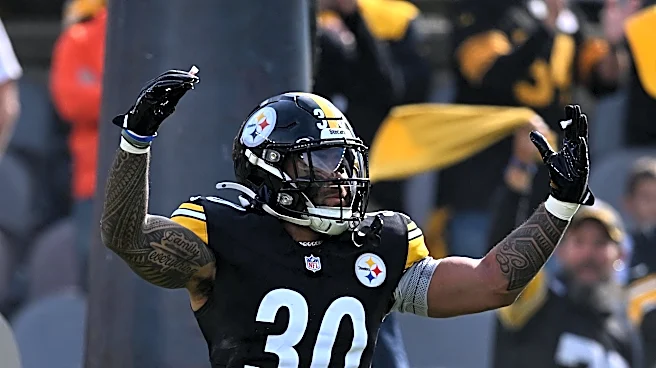
To understand the frustration and opportunity surrounding Quinshon Judkins, you only need to look at his last two games. In Week 7, he exploded for 96 rushing yards and two touchdowns against the Titans, finishing as a top-three fantasy running back for the week. That performance had owners feeling vindicated. Then came Week 8. Against a stout Steelers defense, Judkins was completely stifled, managing just 25 yards on 11 carries and failing to find the end zone. That dud, where he was out-snapped by backup Dylan Sampson, has created a wave of panic. Through the first half of the 2026 season, this inconsistency has been his story. He’s the RB18 in PPR formats, averaging a respectable but not spectacular 13.3 points per game. This production is not what managers expected from a player drafted as a high-end RB2, making him a prime candidate for a trade discussion.
The Case for Buying Low
The argument for trading for Judkins is a bet on talent and volume. Despite his inefficiency, he remains the clear lead ball-carrier for the Browns, handling 15 carries a game and controlling a significant share of the team's rushing work. More importantly, he's still getting the high-value touches near the goal line, even if he couldn't convert them in Week 8. Much of his struggle can be attributed to factors outside his control. The Cleveland offensive line has been a major issue, with some data suggesting Judkins consistently faces contact at or behind the line of scrimmage. We also can't forget he's just over a year removed from a significant late-2025 season injury—a dislocated ankle and fractured fibula. It often takes a full season for a player to truly regain their pre-injury burst, meaning his best football could still be ahead of him in 2026. The flashes are still there, and you are buying a potential workhorse at a discount.
The Risks Involved
Of course, there are reasons his current fantasy owner might be willing to sell. The Browns offense is unreliable, and the offensive line issues are unlikely to magically disappear mid-season. While Judkins is the lead rusher, the return of Dylan Sampson from an earlier injury looms large. Sampson is a capable pass-catcher, and in games where the Browns are trailing, he could see more snaps, limiting Judkins' receiving upside and capping his overall fantasy ceiling. The Week 8 game script against Pittsburgh was a perfect example of this risk playing out. A manager trading for Judkins is not acquiring a sure thing; they are acquiring a player with a volatile weekly floor tied to a struggling offense and a backfield that isn't entirely his own.
The Verdict: What's the Move?
Quinshon Judkins is the quintessential buy-low running back. He is far more talented than his season-long 3.5 yards per carry average suggests. His situation is problematic, but his volume and goalline role give him a path to fantasy relevance every single week. If you can acquire him by trading away a player who has overperformed or is touchdowndependent, it's a move worth making. Look to package a WR3 or a lesstalented running back who just had a big game. The ideal manager to trade for Judkins is one with a winning record and a solid roster who can afford to stomach his lowfloor games while waiting for the highceiling performances that can win a weekly matchup. You're not trading for his current production; you're trading for the elite potential that made him a top prospect in the first place.