





Meet Deceleration Load, the Hidden Variable
In fantasy football, we’re obsessed with speed. We track 40-yard dash times and max sprinting velocity using NFL Next Gen Stats. But the true game-changer isn't how fast a player runs; it's how violently they stop. Deceleration load is the immense physical
stress placed on the body when an athlete brakes, changes direction, or lands from a jump. Think of it like this: accelerating a sports car is impressive, but the real engineering marvel is the braking system that absorbs all that force without failing. In the NFL, players are constantly slamming on these biological brakes, and the accumulated stress, or load, is a massive, often overlooked, factor in performance and injury risk.
Why It's the Enemy of Soft Tissues
Every time a receiver snaps off a route, a running back makes a jump cut, or a defensive back plants his foot to react, their muscles, tendons, and ligaments are absorbing enormous force. Research shows that the biomechanical demands of sudden deceleration are often greater than those of acceleration. This braking action relies heavily on eccentric muscle contractions—where a muscle lengthens under tension, like a shock absorber. Your hamstrings, for example, work eccentrically to slow your lower leg during the final phase of a sprint. When deceleration load gets too high, especially under fatigue, these muscles can fail. The result is the dreaded non-contact soft-tissue injury—the hamstring pulls, groin strains, and Achilles tears that can derail a player's season and your fantasy championship hopes.
Which Positions Are Most at Risk?
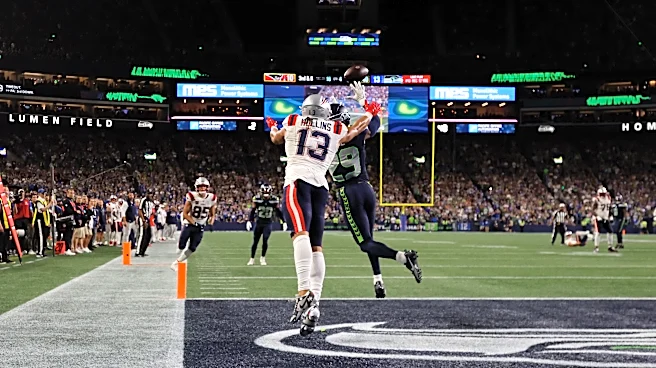
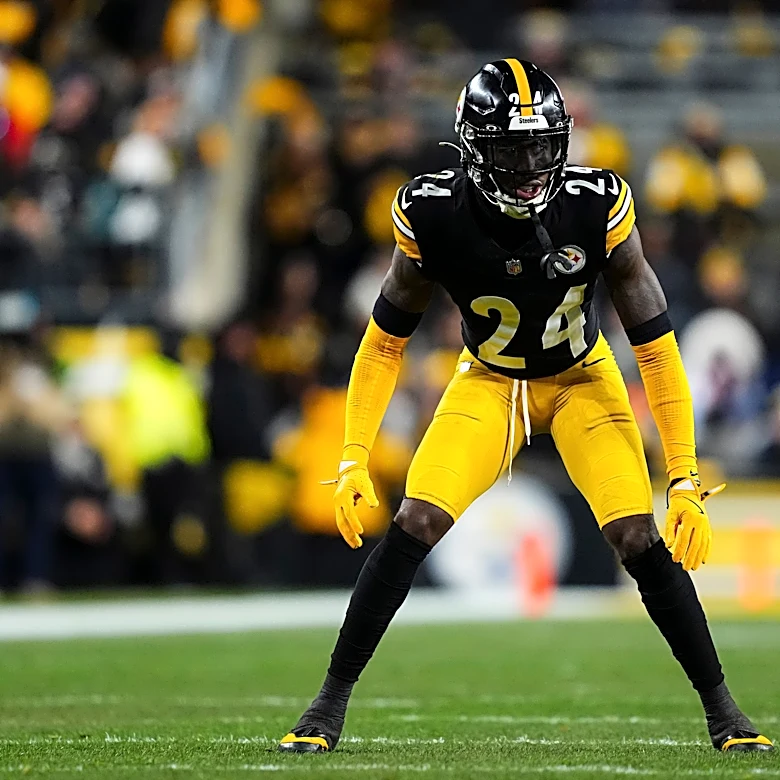
While every player deals with deceleration, some positions live in the red zone. Player tracking data from NFL games consistently shows that wide receivers and defensive backs experience the highest volume of high-intensity acceleration and deceleration efforts. Their job descriptions are built around explosive stopping and starting to create or close separation. A wide receiver running a 15-yard comeback route is a prime example: they accelerate to top speed to threaten the defense deep, then must violently plant and decelerate to come back to the quarterback. This sequence puts incredible strain on the lower body. Running backs who rely on sharp cuts and agility also accumulate significant deceleration loads. Conversely, linemen, who engage in more power-based, linear movements, generally record the lowest deceleration metrics.
The Fantasy Manager's Edge: What to Look For
You don't need access to the NFL's advanced 'Digital Athlete' platform to use this concept. Start by adjusting your player evaluation. When scouting or watching games, pay attention to a player's movement style. Is your star receiver known for his incredibly sharp, violent cuts? While it makes for highlight reels, it also means he’s racking up a higher deceleration load, potentially increasing his injury risk over a long season. Be wary of players coming off soft-tissue injuries. The data shows re-injury rates are high, partly because athletes may not be fully prepared to handle the intense braking forces of game speed. Consider workload beyond just snaps played. A player involved in numerous high-intensity routes and cuts in a single game endures more stress than one with a simpler role. This concept can be your tiebreaker in draft decisions or weekly start/sit dilemmas, giving you an analytical edge that goes beyond the box score.