




The Touchdown-Fueled Mirage
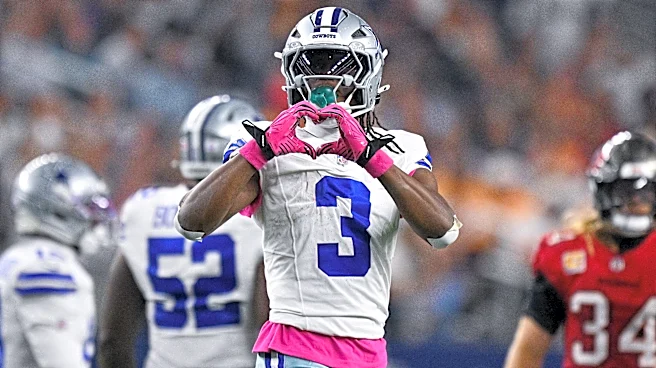
On the surface, Javonte Williams is a fantasy football superstar. Through six games, the Dallas Cowboys running back has found the end zone an incredible eight times. That's the kind of production that wins you weeks and makes him an automatic start.
He's been an RB1 thanks almost entirely to this scoring prowess. But when you look under the hood, the engine is making some worrying noises. Williams is the poster child for touchdown dependency. If you take away his frequent trips to paydirt, his stat lines become alarmingly pedestrian, leaving fantasy managers to wonder if the party is about to end abruptly.
The Ugly Yardage Problem
For every touchdown celebration, there's a long list of inefficient carries. Williams has been held to 45 rushing yards or fewer in four of his six games this season. In Week 6 against Green Bay, he rushed 11 times for just 41 yards, and in Week 5, it was 12 carries for 45 yards. His yards-per-carry average is a paltry 3.7, a significant drop-off from his more efficient seasons and a major red flag for a supposed top-tier back. This lack of yardage puts immense pressure on him to score to salvage his fantasy day. While game script played a role in the low carry count in Week 6—the Cowboys fell behind early—the inefficiency is a consistent pattern this year. Relying on a player who can't consistently move the chains between the 20s is a risky proposition for any fantasy team.
The Unquestioned Workload
So, with such poor efficiency, why is Williams still considered a top fantasy asset? The answer is simple: volume. The Cowboys have shown a clear commitment to him as their lead back. He is handling a dominant share of the carries, including a whopping 79.2% mark since Week 4. There is no threatening committee, no clear handcuff siphoning away meaningful touches. This is his backfield, for better or worse. That kind of locked-in role is increasingly rare in the modern NFL and carries immense value in fantasy football. When the Cowboys get near the goal line, he is the undisputed man for the job, as evidenced by his league-leading red zone usage. As a buyer, you are acquiring a guaranteed, high-volume role on a potent offense, which provides a very safe floor, even if the ceiling is touchdown-dependent.
The Week 7 Matchup and Verdict
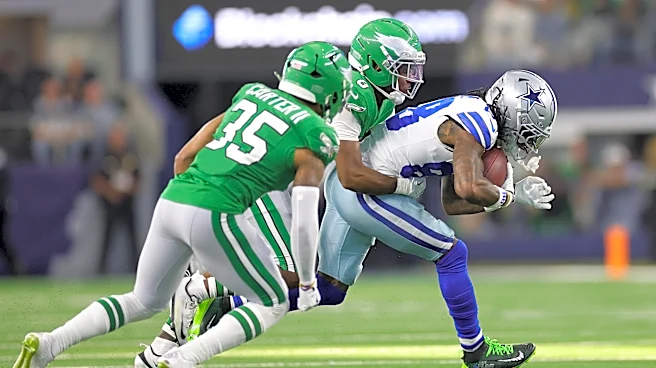
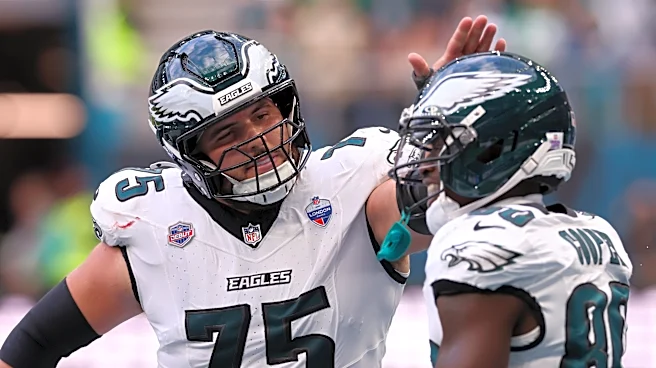
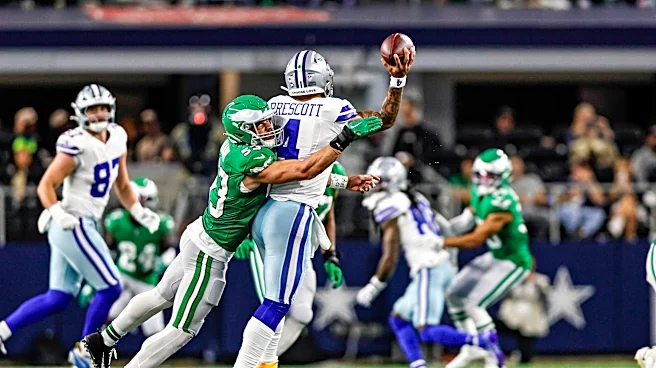
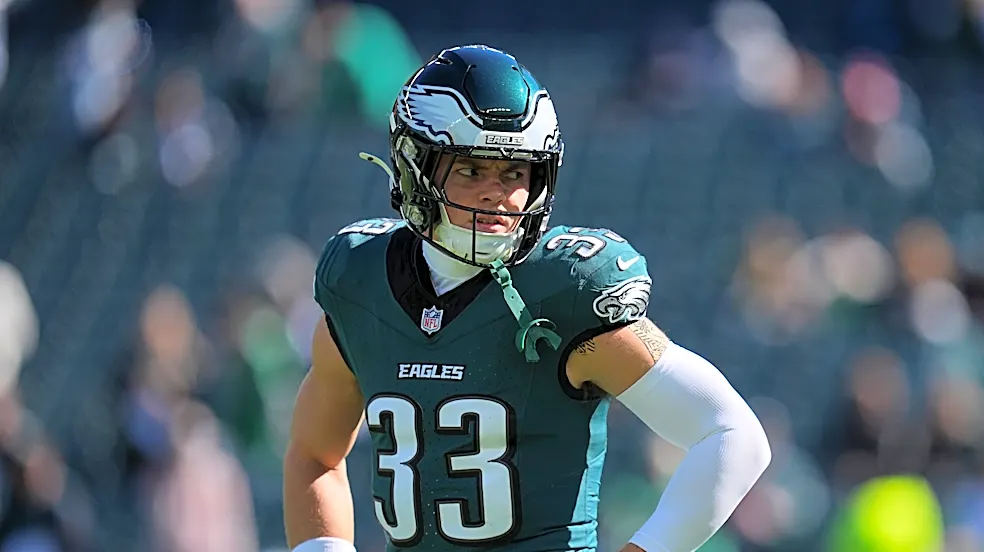
This week, Williams and the Cowboys face the division-rival Philadelphia Eagles. The matchup is a mixed bag. The Eagles' defense is talented but has been underperforming, allowing the 17th-most fantasy points to running backs, making it a middling matchup on paper. However, they have been particularly vulnerable to rushing touchdowns, allowing the fifth-most in the league, which plays directly into Williams's strength. So, should you buy? The answer depends on your team's construction and your tolerance for risk. If you have a stable of high-yardage receivers and need a running back who can provide a near-guaranteed touchdown each week, Williams is an excellent acquisition. You're not buying his yardage; you are buying his elite role and touchdown opportunities. He is a 'floor' player masquerading as a superstar. The touchdowns feel unsustainable, but the opportunity is undeniable.