


The Unbreakable Grip of Tradition
Before the transfer portal and NIL deals dominated headlines, there was the soil, the songs, and the Saturdays. For millions, college football isn't just a game; it's a profound sense of place. It’s the echo of a family tradition, where allegiance to
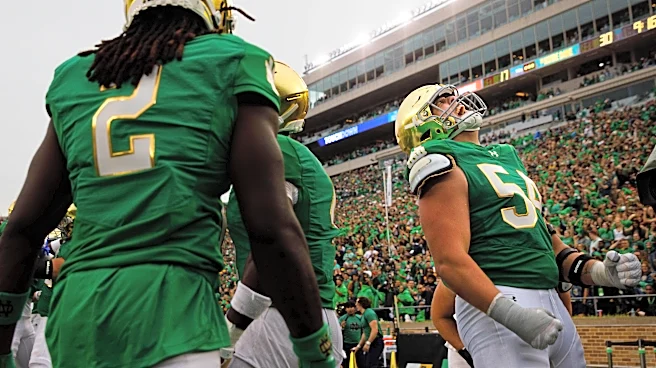
a school is passed down through generations. For many towns across America, especially those without a professional team, the local university's football program is the community's heart, its pride worn in school colors every fall weekend. This is the analog magic that the digital world can’t replicate: the smell of tailgates, the synchronized roar of 100,000 people, and the quirky rituals—like Clemson players touching Howard's Rock or Ohio State's band dotting the 'i'—that connect fans to something greater than themselves. It’s a powerful, tangible sense of belonging that provides an anchor in a fast-moving world.
A Sport Perfectly Built for the Digital Age
While its roots are in tradition, college football's modern growth is fueled by its perfect fit with the digital era. The sport is a content machine. Every game produces a torrent of viral moments, highlight clips, and heated debates that light up social media platforms like TikTok, Instagram, and X (formerly Twitter). Athletic departments have become savvy media operations, maintaining a year-round conversation with fans through behind-the-scenes access and player-centric stories. Unlike the more polished NFL, college football offers a constant churn of narratives: the underdog upset, the Heisman campaign, the coaching hot seat. This creates an always-on drama that keeps fans perpetually engaged, turning every Saturday into a live, interactive event for a global audience.
The New Drama of Players, Portals, and Paydays
The introduction of Name, Image, and Likeness (NIL) rights and the transfer portal has been called chaotic, but it has undeniably added a compelling new layer to the sport. It has effectively turned college football into a year-round spectacle, complete with its own version of free agency. While some traditionalists lament the loss of four-year player loyalty, this new era has created fresh avenues for fan engagement. Fans can now directly support their favorite athletes through NIL partnerships, turning them from passive viewers into active participants in a player's journey. The constant roster movement and recruiting battles generate endless discussion and analysis, feeding the 24/7 news cycle and giving fans a new set of storylines to follow long before the season even kicks off.
The Virtual Gridiron's Triumphant Return
Perhaps no single factor has been more significant in onboarding a new generation of fans than the return of a beloved video game. After a decade-long absence, EA Sports College Football 25 launched to historic success, becoming the best-selling football video game of all time in the U.S. based on dollar sales. The game's predecessor was a cultural touchstone, and its return was met with massive anticipation, with millions playing within the first week of its release. For younger fans, the game is a crucial entry point. It allows them to learn the players, playbooks, and unique traditions of all 134 FBS teams, building a personal connection and deep knowledge of the sport in a way that simply watching on TV cannot match.
An Unscripted Spectacle That Keeps Growing
Ultimately, college football's enduring power comes from the product on the field: its inherent unpredictability and raw emotion. It's a sport where a shocking upset can derail a national title contender and where bitter rivalries carry the weight of a century of history. That unscripted drama is attracting more eyes than ever. Contrary to complaints about the sport's changes, viewership is soaring. In the most recent regular season, fans consumed a staggering 179 billion minutes of college football, a number that has jumped 33 percent since 2021. The blend of old-world pageantry and new-school drama, of community pride and digital discourse, has created a sports phenomenon that isn't just surviving; it's conquering.