





The Max Verstappen Effect
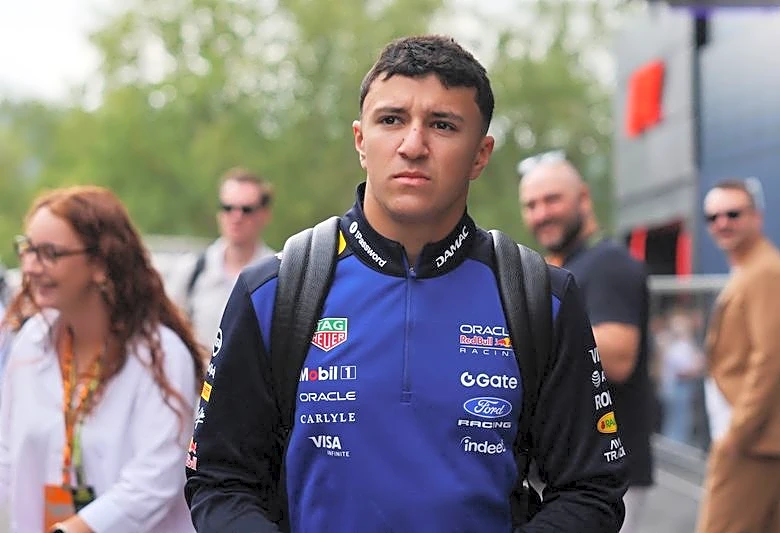
You can't tell the story of the modern Dutch Grand Prix without him. Max Verstappen’s meteoric rise from teenage prodigy to dominant world champion created a seismic wave of national pride that demanded an outlet. Before his arrival, F1 was a niche sport
in the Netherlands. His success transformed it into a national passion. This fervor provided the critical momentum needed to justify the massive undertaking of bringing Formula 1 back to Zandvoort. Promoters knew that wherever Verstappen raced, a legion of fans would follow. A home race wasn't just a dream; it was a commercial certainty, a pilgrimage site for the hundreds of thousands of fans who had adopted him as their hero. His presence alone guaranteed a sell-out crowd and a level of energy that money can't buy.
A Festival Disguised as a Race
The defining feature of the Dutch Grand Prix is the atmosphere, and that atmosphere is orange. The 'Orange Army', the name given to Verstappen's devoted fanbase, transforms the grandstands and surrounding dunes into a vibrant, pulsating sea of their national color. It feels less like a traditional, often corporate, motorsport event and more like a massive outdoor music festival. The organizers leaned into this, curating an experience that extends beyond the track with live entertainment and a Fanzone designed to keep energy high all weekend. This fan-centric approach created a spectacle so powerful that it's become part of F1's global identity, inspiring other fan groups and setting a new standard for what a race weekend can feel like.
An Old-School Track with a Modern Twist
Zandvoort is a relic of a bygone era, a narrow, flowing circuit nestled in the coastal sand dunes. Rather than flattening its classic character, the 2020 renovations embraced it while making crucial updates for modern F1 cars. The most significant and visually stunning of these were the banked corners, particularly the Hugenholtzbocht (Turn 3) and the final Arie Luyendykbocht (Turn 14). These dramatic, high-G turns are a rarity on the modern F1 calendar and provide a unique challenge for drivers and engineers. The final banked corner, in particular, was designed to allow cars to take it at full throttle, theoretically improving overtaking opportunities down the main straight. The result is a track that drivers find thrilling and challenging, one that retains its historic soul while producing great racing.
The Promoter's Green Playbook
Beyond the on-track action and fan fervor, the Dutch Grand Prix has been lauded for its brilliant organization, particularly its groundbreaking approach to sustainability and logistics. Facing protests over environmental impact, the organizers devised a radical mobility plan. With the track located in a geographically tight spot, they made it nearly impossible to arrive by car, instead incentivizing fans to come by public transport or bicycle. The plan was a staggering success, with reports showing that 98% of visitors traveled sustainably. This focus on green initiatives, from waste management to energy use, not only solved a logistical nightmare but also earned the event the 'Promoter of the Year' award and special recognition for its sustainability efforts from Formula One Management. This has provided a new blueprint for how to host a massive sporting event with a minimal environmental footprint.