


The Fastest, Scariest Approach in Racing
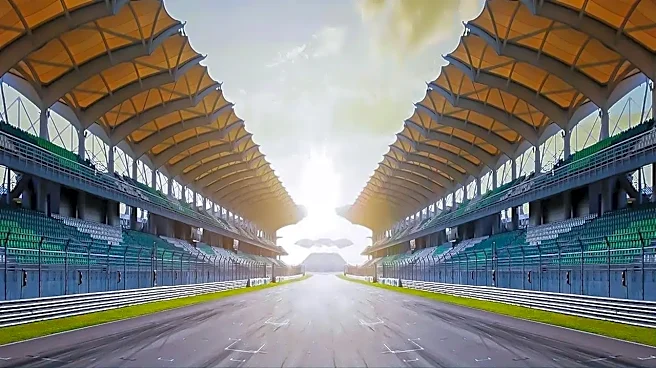
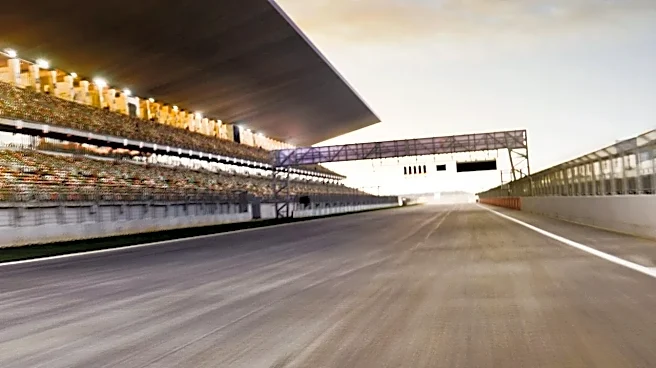
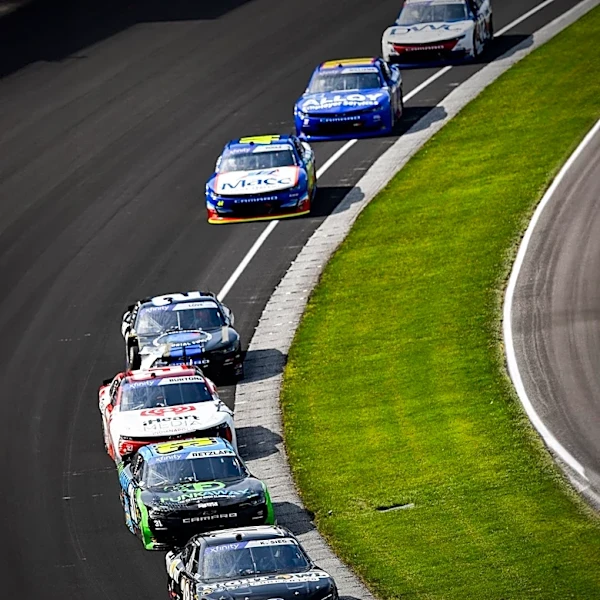
Imagine hitting nearly 200 miles per hour down one of the most famous straightaways in motorsports, with 39 other cars jostling for position. That’s the reality of the frontstretch at Indy. But the challenge isn’t the speed itself; it’s what comes next.
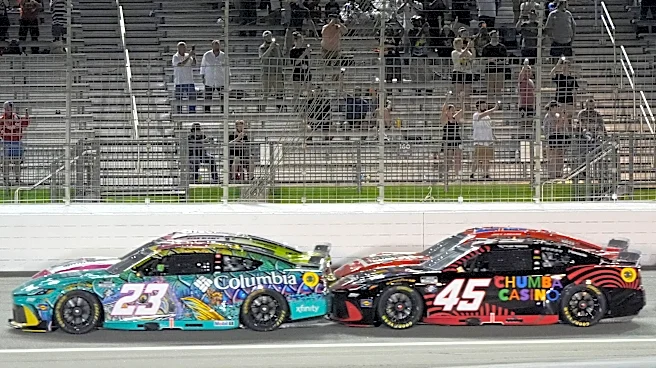
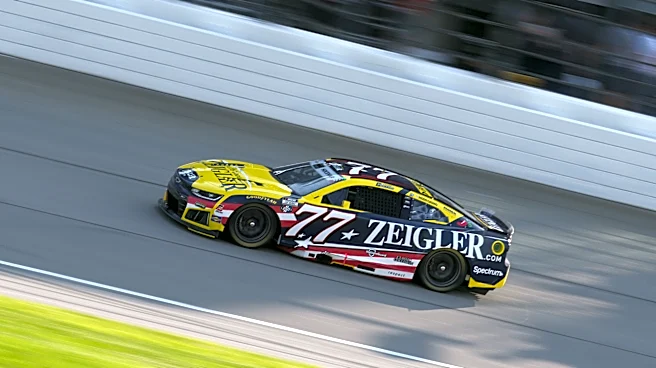
Turn 1 at the Indianapolis Motor Speedway is a deceptively simple, 90-degree left-hander. On paper, it looks identical to the track's other three corners. In practice, it’s a monster. On the opening lap and on every restart, the entire field funnels from a wide straightaway into a narrow corner, each driver fighting for the same piece of real estate. It's the first major test of nerve and equipment, and it’s where chaos frequently erupts before the race has even truly begun.
A Flat-Out Problem of Physics
What makes Turn 1 so uniquely difficult for a 3,400-pound stock car? The answer is geometry. The turns at Indianapolis are banked at a mere 9.2 degrees. For comparison, the steeply banked corners at Daytona and Talladega are closer to 30 degrees. That high banking helps push cars through the turn, using physics to aid grip. At Indy, that helping hand is gone. The flat nature of the corners means the tires and the driver have to do all the work. A heavy stock car, designed for ovals but not one this flat, simply doesn’t want to turn. It wants to keep going straight. Drivers have to brake much harder and more precisely than at other ovals, all while dealing with the turbulent, “dirty” air coming off the cars in front, which dramatically reduces their own car’s grip and performance.
A Corner That Creates Ghosts
History is written in the tire marks and scuffed walls of Turn 1. Over the three decades of NASCAR at the Brickyard, this corner has become a graveyard for championship hopes and a launchpad for legendary victories. Fans will recall restarts where leaders were swallowed by the pack, or multi-car pile-ups that ended the day for a dozen drivers before they completed a single lap. In 2017, a late-race restart saw Kyle Busch and Martin Truex Jr., two of the season's most dominant drivers, collide and crash while battling for the lead in Turn 1, opening the door for an unexpected winner. These moments aren't just accidents; they are cautionary tales passed down through the garage, cementing the corner's reputation as a place where aggression must be perfectly balanced with patience.
More Than Just a Turn
Ultimately, the challenge of Turn 1 is as much mental as it is physical. Every driver knows its history and respects its power to define their day, their season, or even their career. Entering it on a restart, three-wide, is one of the most nerve-wracking moments in sports. A driver can be a hero by diving to the bottom and making a pass, or they can misjudge their braking by a foot and trigger a massive wreck that takes out half the field. With the Brickyard 400 returning to the iconic oval after a few years on the road course, the focus is squarely back on the track's original and most formidable challenge.