

The Sixth Offensive Lineman
The fastest way for a tight end to get on the field—and stay there—is by being a reliable blocker. While fantasy points aren't awarded for sealing the edge on a run play, coaches value it immensely. A tight end who can effectively block a defensive end or linebacker
is essentially an extra offensive lineman, opening up the entire playbook for the offense. This is why many rookie tight ends have a slow start; mastering NFL blocking schemes is a steep learning curve. A tight end who is a liability in the run game becomes a major tell for the defense; if he's on the field, it's likely a pass. Coaches crave versatility, so players who can both block and catch are more likely to see consistent playing time, which is the necessary first step toward fantasy production.
Mastery of the Full Route Tree
Not all routes are created equal. A tight end who just runs go-routes and flat routes is a limited weapon. What coaches and scouts truly value is a player with the instincts and agility to master a complex route tree. This means having the savvy to find the soft spots in zone coverage, the strength to gain leverage against linebackers, and the crispness to make sharp breaks that create separation. An NFL coordinator noted that a player's ability to win with route running, separation, and zone instincts is a core component of their evaluation. This skill doesn't always show up in yards per catch, but it's what allows a quarterback to trust his tight end on critical third downs and in the red zone—situations that directly lead to fantasy points.
The Unseen Art of Pass Protection
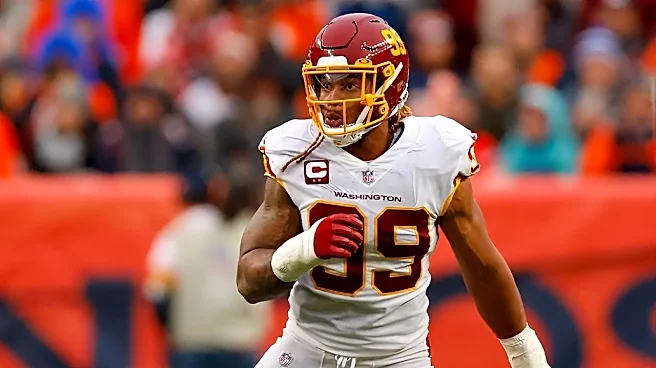
Beyond run blocking, a tight end's role in pass protection is a critical, often invisible, job. This isn't just about holding a block like a tackle. It involves chipping a rushing defensive end to give the tackle help, or recognizing a blitz and picking up an unblocked linebacker. These split-second decisions can be the difference between a clean pocket and a sack. A tight end who excels here is a quarterback's best friend and an offensive coordinator's secret weapon. While a successful chip doesn't light up the fantasy scoreboard, it builds trust and keeps the tight end on the field during obvious passing downs—which is precisely when you want your fantasy player to be running routes, not standing on the sideline.
The Power of Alignment Versatility
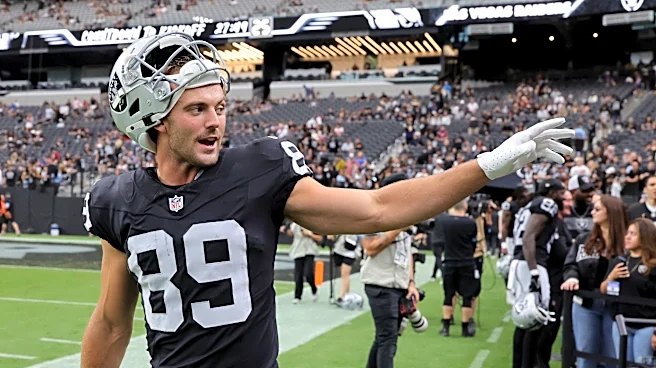
Where a tight end lines up before the snap is a huge indicator of his role and value. A traditional “Y” tight end lines up next to the offensive tackle. A modern “F” or “move” tight end, however, can line up in the slot, out wide like a receiver, or even in the backfield. This versatility is a nightmare for defenses. It creates mismatches: a linebacker trying to cover a speedy tight end in the slot is an advantage for the offense. Coaches seek out these chess pieces, like Brock Bowers, who can be moved around to exploit defensive weaknesses. For fantasy purposes, a tight end who frequently lines up in the slot or out wide is more likely to be a primary target in the passing game, not just a blocker or a check-down option.
Yards After Catch (YAC) and Physicality
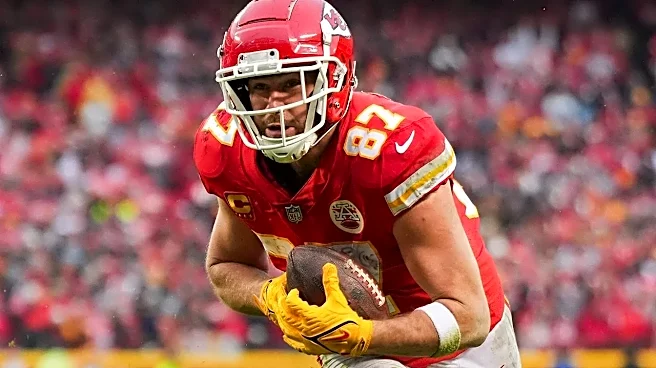
While receiving yards are a box score staple, how those yards are gained matters. Top tight ends are often YAC (yards after catch) monsters. They don’t just catch the ball; they turn a five-yard pass into a 15-yard gain by breaking tackles and carrying defenders. Coaches look for this physical, punishing running style because it moves the chains and demoralizes a defense. Unlike many receivers who rely on pure speed, elite tight ends use their size and strength to create extra yardage. Players like George Kittle and Trey McBride have built their reputations on being difficult to bring down after the catch, a trait that consistently turns average plays into fantasy-relevant gains.