



What Is 'Tanking,' Exactly?
At its core, tanking is the practice of intentionally fielding a non-competitive team to lose games. The goal isn't the losing itself, but the reward that comes with it: a higher pick in the upcoming NBA Draft. This doesn't usually mean players are trying
to miss shots or coaches are telling their teams to lose. Instead, it’s a front-office strategy. It involves trading away star players for future draft picks, filling the roster with young and inexperienced talent, and sitting key players with minor injuries. The on-court product is often unwatchable, but for the organization, it's part of a long-term plan to bottom out before rising to the top.
The Logic of Losing
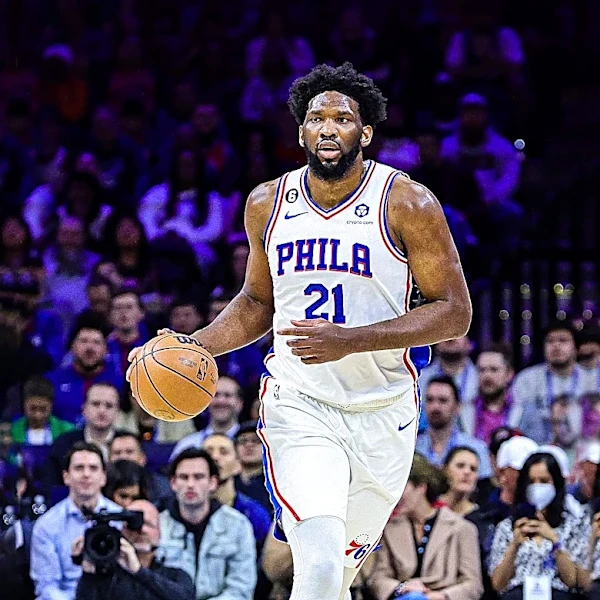
Why would any team embrace failure? The answer lies in the NBA's structure. It is a superstar-driven league, and the most reliable way to acquire a generational talent who can change a franchise's fortunes is through the draft. Teams stuck in the middle—not good enough to contend for a title, but not bad enough for a top draft pick—can languish for years on a 'treadmill of mediocrity.' By tanking, a team gives itself the best possible odds of drafting a future MVP, building a championship core on affordable rookie contracts, and creating a new window for success. The Philadelphia 76ers famously branded their multi-year tanking effort 'The Process,' a phrase that has become synonymous with this high-risk, high-reward strategy.
The Case Against Tanking
The arguments against tanking are rooted in the spirit of competition and business. It alienates fans who are asked to pay for an intentionally inferior product. Games become non-competitive blowouts, which hurts viewership and the league's overall brand. It can also create a losing culture within an organization that is hard to shake, and there's no guarantee it will even work. The draft lottery is, by its nature, a game of chance; the team with the worst record is not guaranteed the top pick. For every successful rebuild, there are countless examples of teams that lost for years only to squander their high picks on players who didn't pan out, trapping them in a cycle of perpetual failure.
The League Fights Back
The NBA has long viewed tanking as a blight on its product. In recent years, the league has taken significant steps to curb the practice. The most notable change has been to the Draft Lottery odds. Previously, the team with the worst record had a 25% chance at the No. 1 pick. The system was reformed to 'flatten' the odds, significantly reducing the statistical advantage of finishing last and giving more teams at the bottom a similar chance at the top picks. More recently, in May 2026, the league's Board of Governors approved another new system, dubbed the '3-2-1 Lottery,' which penalizes the three worst teams by taking away a lottery ball and expands the commissioner's power to punish perceived tanking.
So Why Is It Still a Debate?
Despite the rule changes, the fundamental incentives remain. While the odds are flatter, being bad is still better than being mediocre if your goal is a high draft pick. The new rules may deter the most blatant forms of tanking, but they don't eliminate the strategic benefit of a 'rebuild.' As long as a single draft pick can transform a franchise from a laughingstock into a champion, front offices will always be tempted to trade short-term pain for the possibility of long-term glory. The debate continues because it strikes at the league's core tension: the philosophical goal of winning every night versus the pragmatic business of building a dynasty.