


The Unofficial Currency: Pin Trading
Long after the final pitch, the most intense action can be found in the bustling pin trading tents. This tradition is the event's social backbone, where players, fans, coaches, and even umpires swap small, colorful enamel pins representing their hometowns
and teams. What started organically in the 1970s when an international team brought custom pins to trade has exploded into a core part of the Williamsport experience. It’s a game within the game, a way for a child from Japan to connect with a fan from Texas without needing a common language. Each trade tells a story, and a lanyard full of pins becomes a wearable scrapbook of new friendships and global connections.
The Cardboard-Box Rite of Passage
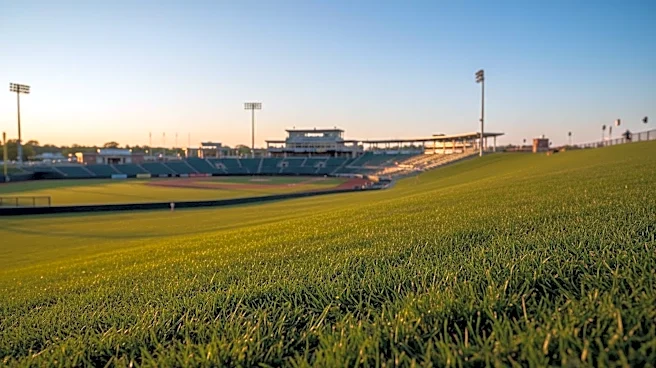
Beyond the right-field fence of Howard J. Lamade Stadium lies a steep, grassy hill that offers one of the best views in sports. It's also home to one of its purest traditions: sliding down on a flattened piece of cardboard. For generations, kids have grabbed discarded boxes and spent hours joyfully rocketing down the slope, their laughter echoing through the ballpark. It’s a simple, analog thrill in a digital world, a reminder that sometimes the best fun requires nothing more than gravity and a bit of recycled material. Even Major Leaguers visiting for the annual MLB Little League Classic can't resist taking a turn, connecting them back to the simple joy of being a kid.
Building a Global Village
The tournament brings together 10- to 12-year-olds from every corner of the globe, many of whom are visiting the United States for the first time. Little League fosters a unique environment to break down cultural barriers. Teams are housed together in a dormitory complex known as "The Grove," which is equipped with pools and game rooms designed to encourage interaction. This is where players from Curaçao might teach kids from Iowa their favorite handshake, or a team from Taiwan might introduce players from Canada to a new snack. These friendships, forged over video games and shared meals, are often the most enduring prize the players take home.
Sportsmanship Above All Else
In a world of increasingly intense youth sports, the LLWS often provides powerful displays of pure sportsmanship. It’s not uncommon to see a winning team pause their celebration to console a crying pitcher on the losing side. These moments, which often go viral, are a core part of the event's DNA. Coaches are mic'd up, not for hot-headed rants, but for gentle words of encouragement. The post-game handshake line isn't a perfunctory ritual but a genuine show of respect. The event consistently reminds audiences that how you play the game—and treat your opponent—is more important than the final score.
A Town Transformed
For two weeks, Williamsport isn't just the host; it becomes part of the event itself. The experience often kicks off with the Grand Slam Parade, where all 20 teams are celebrated by thousands of residents and fans lining the streets. Local volunteers serve as "team hosts" or "buddies," acting as guides and surrogate family members for the visiting teams, especially those from other countries. This deep community involvement ensures the tournament feels less like a corporate-sponsored event and more like a massive, warm-hearted block party, where everyone is welcomed and celebrated.