


An Instant Crown Jewel
Before August 6, 1994, the idea of stock cars competing at the Indianapolis Motor Speedway—the cathedral of open-wheel racing—was almost unthinkable. The track was exclusively the home of the Indianapolis 500. But the inaugural Brickyard 400 changed everything,
drawing a reported crowd of over 250,000 and immediately establishing itself as one of NASCAR’s “crown jewel” events alongside the Daytona 500 and Southern 500. The massive purse and prestige meant a win here wasn't just another victory; it was a career-defining achievement. The race, won by a young Jeff Gordon, signaled a new era for NASCAR, blending its southern roots with a major national stage and proving the sport's massive appeal.
The Ultimate Legacy Builder
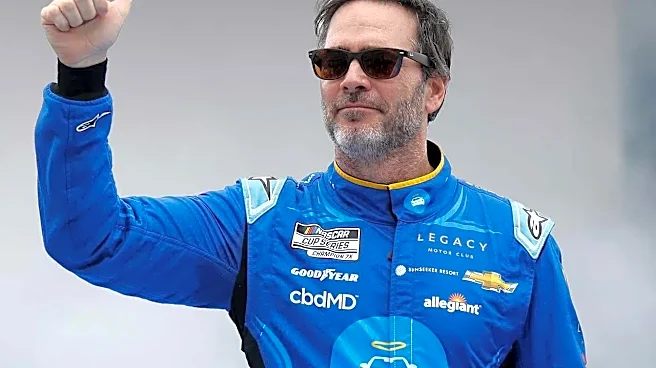
Winning at Indy carries a unique weight. The list of Brickyard 400 victors is a who's who of NASCAR royalty. Jeff Gordon has five wins, Jimmie Johnson has four, and legends like Dale Earnhardt, Tony Stewart, and Kyle Busch have all kissed the famous yard-wide strip of bricks at the finish line. For much of its history, the race was dominated by a handful of elite, championship-caliber drivers. In fact, the winner of the Brickyard 400 has gone on to win the Cup Series championship in the same season nine times. A victory here doesn't just add a trophy to the case; it validates a driver's place among the all-time greats and often serves as a barometer for championship contention.
An Identity Crisis and Triumphant Return
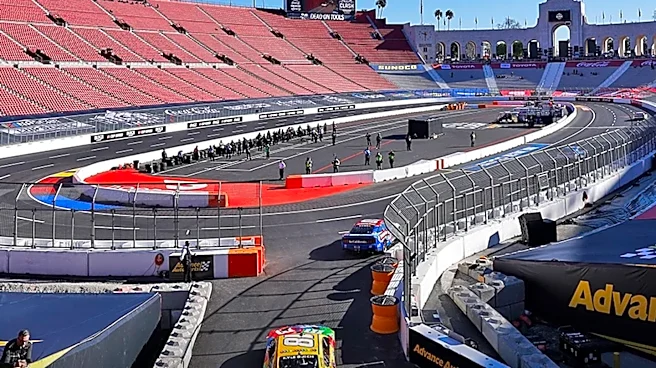
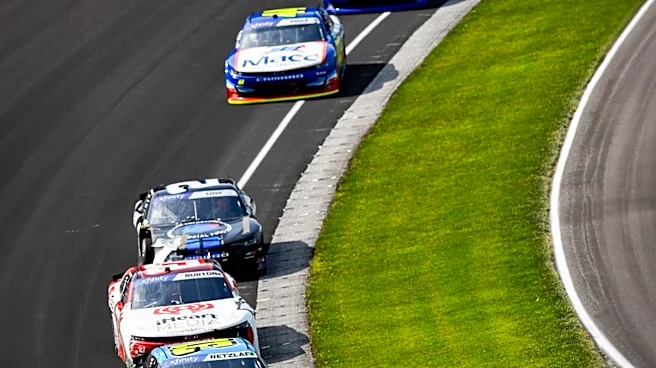
After years as a staple, the race faced challenges. From 2021 to 2023, NASCAR moved the event from the iconic 2.5-mile oval to the infield road course. While the racing was competitive, many drivers and fans felt the move stripped the event of its prestige; it was no longer the same “Brickyard 400” that legends were made on. The special status of being a crown jewel was widely seen as diminished. Recognizing this, NASCAR returned the race to the oval in 2024 for its 30th anniversary, a move that was universally praised and re-cemented the race's identity. Kyle Larson’s victory that year reconnected the event to its historic roots.
A New Era of Competition
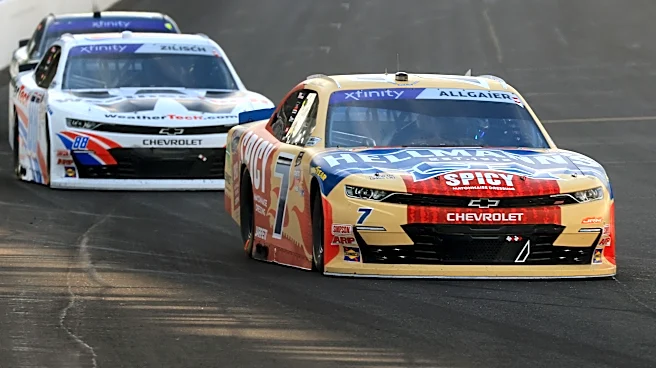
While the track is the same, the nature of the race has evolved. The era of a single dominant driver controlling the race for long, methodical stretches appears to be over. Recent editions have been defined by late-race chaos and strategy, with six of the last eight oval races ending in overtime. The driver leading the most laps has won only a few times in the last decade. Today, the field is more open than ever. No active driver has more than one victory on the oval, meaning the throne is vacant and the opportunity to build a new Indy dynasty is available to a new generation of stars. The race continues to shape the sport by presenting a new kind of challenge: surviving the unpredictable final laps to earn a place in history.