


A New Philosophy of Competence
The turnaround began in 2020 with a fundamental shift in the front office. The hiring of president Leon Rose, a former player agent, and his longtime associate William “Worldwide Wes” Wesley signaled a new approach. Instead of chasing splashy headlines
and quick fixes that had doomed past regimes, Rose’s front office preached patience and stability. Their strategy was built on relationships and a deep understanding of the league's inner workings. This new brain trust, which included respected minds like capologist Brock Aller and strategist Gersson Rosas, prioritized creating an environment players would want to join. One of their most important early moves was one they didn't make: refusing to overpay in a trade for star guard Donovan Mitchell in 2022, preserving the assets that would become crucial for later, smarter acquisitions.
Forging an Identity in Steel
With a competent front office in place, the next step was establishing an on-court identity. That came in the form of head coach Tom Thibodeau. Hired in 2020, Thibodeau immediately instilled the grit, defensive intensity, and accountability the franchise had lacked for decades. Almost overnight, the Knicks became a team that was tough to play against, a reflection of their demanding coach. Thibodeau defined the culture as something you do every day, and his players responded. While his tenure would eventually come to a close, his impact was undeniable. He built the hard-working foundation that made the Knicks a respectable playoff team and, crucially, a desirable destination for free agents looking for a place to win.
The Point Guard Who Changed Everything
The culture was set, but the engine was missing. That changed in the summer of 2022 with the signing of Jalen Brunson. Initially seen by some as an overpay for a secondary player, Brunson quickly proved to be one of the most impactful free-agent signings in league history. He brought more than just All-Star numbers; he brought an unflappable sense of stability and leadership that solidified the team's identity on the floor. Brunson became the team's undisputed leader, the on-court extension of the front office's vision. His commitment was cemented in 2024 when he signed a team-friendly contract extension, sacrificing over $100 million to give the Knicks the financial flexibility needed to build a true championship roster around him.
From Tough Out to True Contender
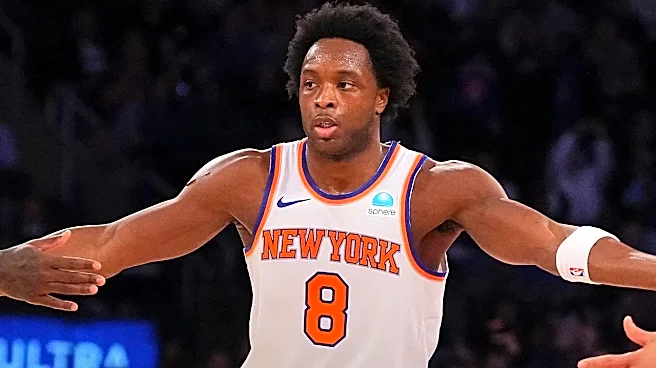
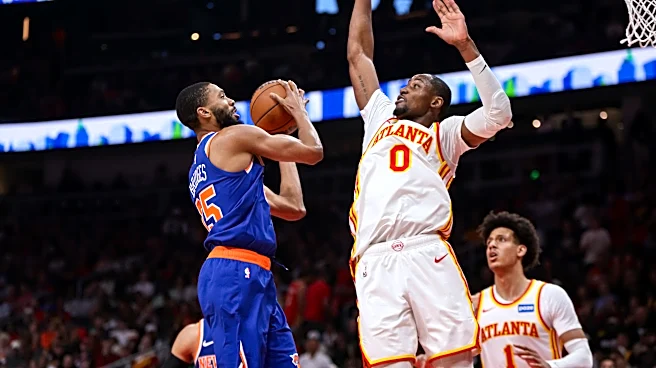
With a leader in place and a culture established, Rose and his team began to aggressively upgrade the talent. They targeted players who fit their identity: tough, versatile, two-way contributors. Key trades brought in defensive stalwart OG Anunoby and another Villanova alum, Josh Hart. The boldest moves were yet to come. The front office flipped a massive package of draft picks to acquire Mikal Bridges and later traded Julius Randle and others for All-Star center Karl-Anthony Towns. These weren't just talent acquisitions; they were calculated moves to build a cohesive, championship-level roster around Brunson, even if it meant parting with homegrown players. The strategy was clear: they were done with incremental progress and were now all-in on winning a title.
The Final, Toughest Decision
Perhaps the most telling moment of the Knicks' rebuild came after the 2024-25 season. After leading the team to its first Eastern Conference Finals in 25 years, the organization made the stunning decision to move on from Tom Thibodeau. While polarizing, the move demonstrated that the culture was no longer dependent on a single person. The standards of accountability and hard work were now ingrained in the franchise itself. By hiring coach Mike Brown, a man with championship experience, the front office signaled it was time for the final step. The decision was validated when Brown led the team to an NBA Championship in 2026, proving the infrastructure was strong enough to evolve and thrive, solidifying the rebuild as an organizational triumph.