





The Unmistakable New York Energy
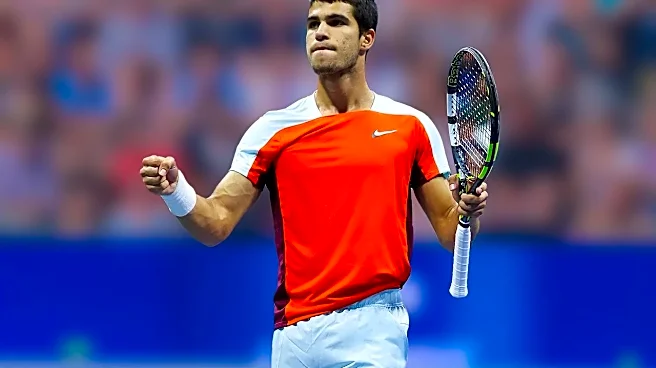
Unlike the polite applause and reverence of Wimbledon, the US Open is famously and unapologetically loud. Set in Flushing Meadows, Queens, the tournament's soundtrack is a mix of roaring crowds, nearby trains, and jets descending into LaGuardia Airport.
This creates a boisterous, rock-concert atmosphere, especially during the signature night sessions under the floodlights. Players and pundits agree: the energy is different here. The massive 23,000-seat Arthur Ashe Stadium, the largest in tennis, amplifies every cheer and groan, reflecting the city’s own vibrant and sometimes chaotic personality. Fans are part of the show, their energy feeding the players in a way that’s unique among the four Grand Slams.
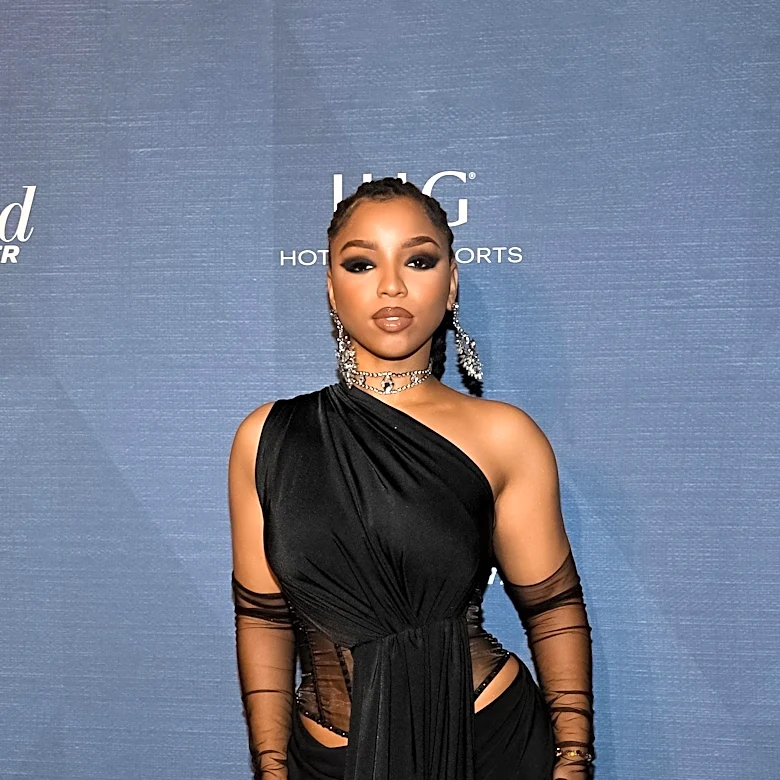
A Global Stage for Celebrities and Style
For two weeks, the stands at the Billie Jean King National Tennis Center rival a Hollywood red carpet. The tournament is a magnet for A-listers from film, music, fashion, and politics, making celebrity-spotting a sport in itself. But it's not just about who is there; it's about what they're wearing. The US Open has become a major fashion event, where preppy East Coast style meets high-fashion trends. Brands like Polo Ralph Lauren are synonymous with the event, dressing celebrities and officials, while attendees showcase everything from classic tennis whites to bold, statement-making outfits, solidifying the tournament's status as a cultural touchstone.
An Economic Powerhouse for the City
Beyond the glamour and on-court drama, the US Open is a massive financial engine for New York City. While exact figures fluctuate, past analyses have shown the tournament's economic impact to be in the hundreds of millions of dollars annually. It drives tourism, fills hotels, and creates thousands of jobs, from event staff to local restaurant workers in Queens and beyond. The total prize money, which has grown to record highs, further cements its status as one of the richest sporting events in the world. In 2023, the total prize purse was $65 million, distributed equally between men and women, underscoring its financial heft.
A Trailblazer in Sports History
The US Open has a legacy of innovation and progress. It was the first Grand Slam to be played on three different surfaces (grass, clay, and now hard court). More importantly, it made history in 1973 as the first of the four majors to offer equal prize money to men and women, a landmark decision driven by the advocacy of champion Billie Jean King. After winning in 1972 and receiving significantly less than her male counterpart, King threatened a boycott. The tournament responded, setting a standard for equality that it took other Grand Slams decades to follow. This pioneering spirit is a core part of its identity, proving the event has always been about more than just the game.