


The Agony of the Injury Report
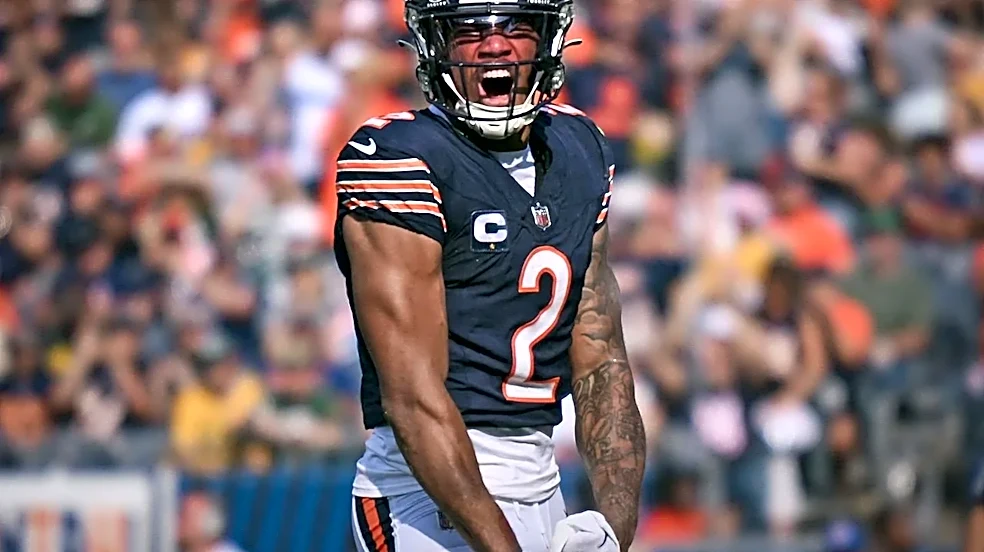
The frustration for fantasy managers is palpable. After a dominant Week 1 that saw him post over 100 yards and a touchdown, Moore looked every bit the part of a league-winning receiver. Then came the shoulder injury in Week 2, an issue that has lingered
persistently. He gutted out a respectable performance in Week 3, seeing an impressive 10 targets, but the subsequent decline has been sharp. He was ineffective against the Patriots, catching just one pass, and has been a fixture on the injury report since, missing practice and sitting out Week 5 entirely. This downturn has turned a fantasy cornerstone into a weekly question mark, causing understandable panic for anyone counting on his production.
The Case for a Comeback
Before you hit the panic button and trade him for a bag of footballs, remember why you drafted him. When healthy, D.J. Moore is the undisputed top wide receiver in a high-powered Buffalo offense led by Josh Allen. In the games where he has been healthy, he has commanded a significant target share, proving he is Allen's go-to option. Analysts point to his role as the focal point in this passing attack as a reason for optimism; the team needs him for its championship aspirations. His early-season performance wasn't a fluke; it was a glimpse of his top-10 fantasy receiver ceiling in this offense. For fantasy teams that are sitting comfortably in the standings, Moore represents a premier 'buy-low' candidate who could be a league-winner in the second half of the season if he returns to full strength.
The Lingering Red Flags
Patience is a virtue, but it doesn't score fantasy points. The primary concern is the nature of the injury itself, which has been described as an AC joint sprain that he has re-aggravated. This type of injury can be tricky, and even when a player is active, it can limit their effectiveness and put them at risk of an in-game setback. A significant red flag for fantasy managers is the Bills' upcoming schedule. With a bye in Week 7, the team has a strategic incentive to be cautious and potentially hold Moore out through the break to give him maximum recovery time. This means that even if you hold him, you might not get any production for another couple of weeks. There's also the dreaded 'decoy' scenario, where Moore is active but used on a limited snap count, providing a disastrously low floor for your fantasy lineup.
The Verdict: What Should You Do?
Ultimately, your decision on D.J. Moore depends entirely on your team's situation. If you have a winning record and a deep bench, holding Moore is the correct play. His upside upon returning to health is far greater than what you'd likely get for him in a trade right now. You can afford to wait. Consider sending a low-ball offer to a panicking owner in your league; it's a high-upside gamble that could pay off massively for the fantasy playoffs. However, if you are struggling to stay competitive and desperately need wins now, you may not have the luxury of waiting. In this scenario, exploring a trade is a viable option. You won't get his draft-day value, but you may be able to acquire a less talented but currently healthy player who can provide you with immediate points to stop the bleeding. Target a manager with a strong record who can afford to stash Moore on their bench.