

A Uniquely New York Spectacle
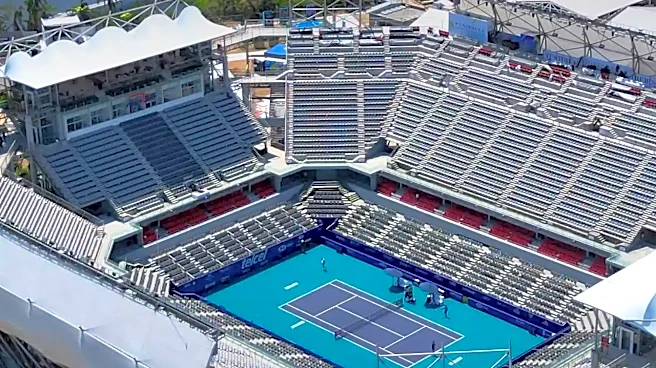
Unlike the manicured lawns of Wimbledon or the clay courts of Paris, the US Open is inextricably linked to the swagger and pulse of New York City. The tournament unfolds at the USTA Billie Jean King National Tennis Center, a sprawling complex in Flushing
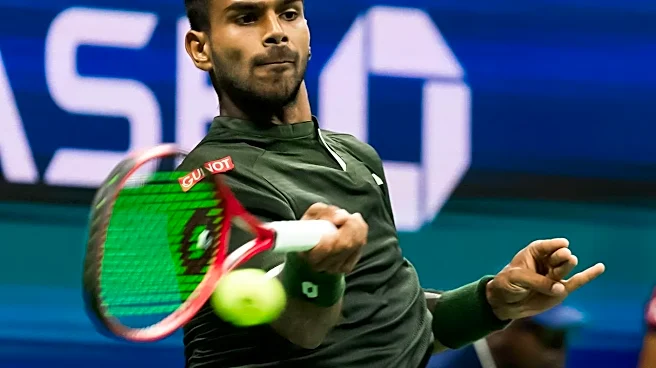
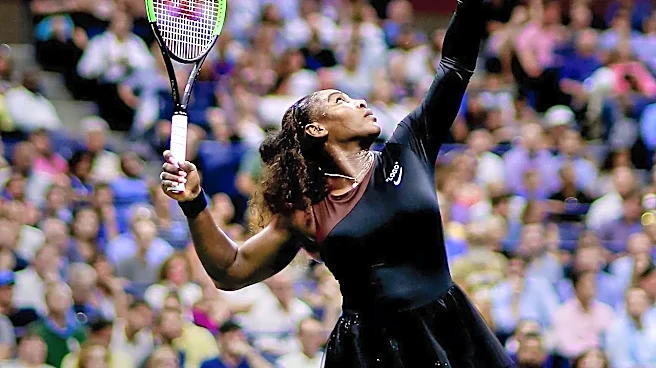
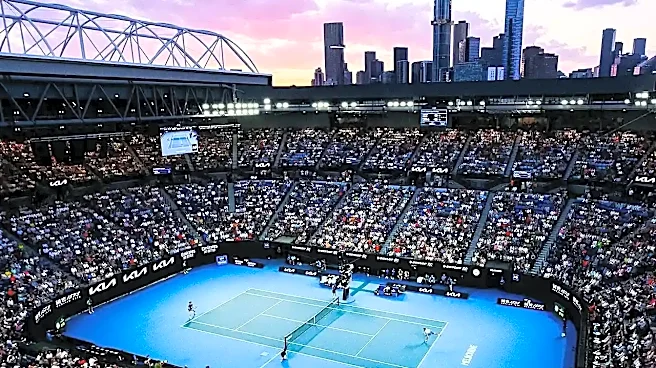
Meadows where the roar of the crowd often competes with the rumble of nearby subway trains. This urban backdrop provides more than just a location; it infuses the event with an unmistakable character. Players and fans alike describe the atmosphere as electric and intense. The world’s largest tennis stadium, Arthur Ashe Stadium, becomes the epicenter, a cauldron of noise and passion that can hold nearly 24,000 spectators. It’s a setting that is as much a part of the challenge as the opponent across the net, a place where players must conquer not just the match, but the moment itself.
The Magic of the Night Session
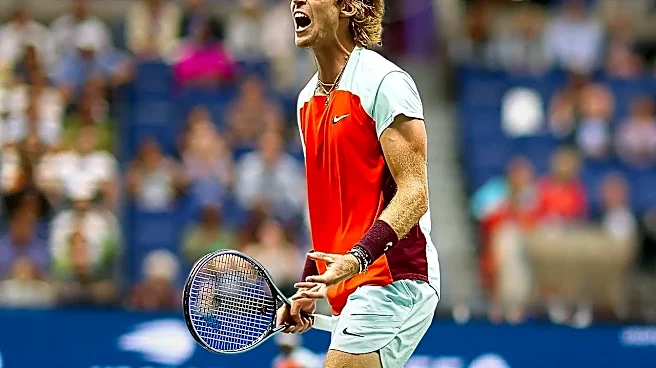
Perhaps nothing defines the US Open's modern identity more than its night sessions. Introduced in 1975, it was a revolutionary move that transformed the tournament from a daytime sporting event into primetime entertainment. Under the floodlights of Arthur Ashe Stadium, matches take on a cinematic quality. The daytime crowd, often composed of tennis purists, gives way to a more boisterous, energetic audience ready for a show. Players feed off this energy, leading to some of the most dramatic and memorable encounters in tennis history. Novak Djokovic has called it the “loudest and most entertaining stadium in tennis,” a testament to the unique fusion of high-stakes sport and big-city nightlife. It’s an atmosphere that feels less like a traditional tennis match and more like a rock concert or a heavyweight fight, making it appointment television for millions.
The Final, Grueling Test
As the fourth and final Grand Slam of the tennis calendar, the US Open is the last chance for players to etch their names into the history books for the year. By late August, the athletes are feeling the physical and mental toll of a long season. The tournament’s fast hard courts are unforgiving, rewarding power and aggression while demanding peak physical conditioning. It's a grueling two-week marathon that tests every facet of a player’s game and resolve. This high-stakes environment has produced countless iconic moments, from surprising underdog victories to the coronation of legends. The US Open is also the only Grand Slam to have used a tiebreaker in the final set for much of its history, a rule that reflects its willingness to embrace drama and decisive conclusions.
An Innovative and Inclusive Spirit
From its inception, the US Open has been a trailblazer. In 1973, thanks to the advocacy of Billie Jean King, it became the first Grand Slam to offer equal prize money to men and women, a landmark decision that set a new standard for the sport. This spirit of innovation has continued throughout its history. It was the first major to feature night matches, the first to use electronic line calling with the Hawk-Eye system, and it consistently boasts the largest prize purse in tennis. The tournament has also been played on three different surfaces throughout its history—grass, clay, and finally hard court—a unique evolution among the four majors. This willingness to evolve while honoring its history is central to its enduring appeal, ensuring it remains as relevant and exciting today as it was decades ago.