





Riding the Wall of Champions
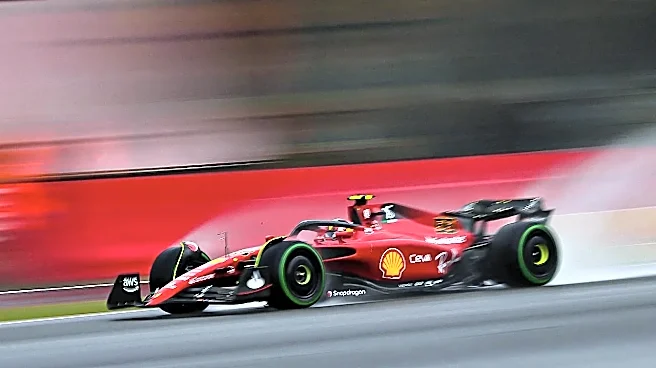
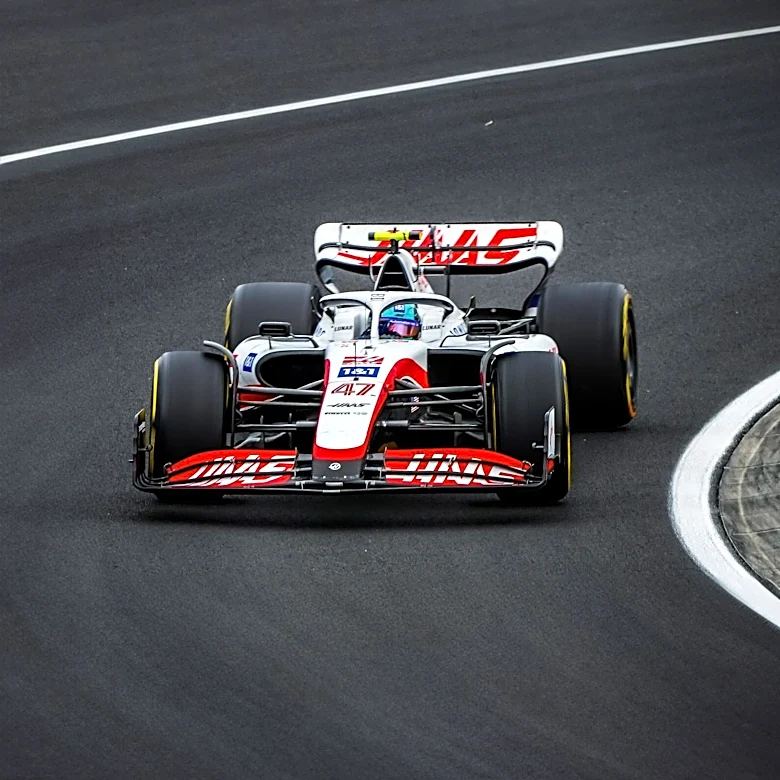
Zandvoort’s defining features are its two aggressively banked corners, Hugenholtzbocht (Turn 3) and Arie Luyendykbocht (Turn 14). With banking angles up to 19 degrees—steeper than the famous Indianapolis Motor Speedway—these turns are unlike almost anything
else in F1. The banking creates immense vertical G-forces, squashing the car into the tarmac and generating huge grip. This allows drivers to carry incredible speed, but it also opens up strategic options. Unlike a flat corner with a single ideal racing line, the bowl-like shape of Turn 3 invites multiple approaches. Some drivers might take a tight, low line, while others swing high, using the steepest part of the banking to maintain momentum. Mastering these corners isn't just about being brave; it's about understanding the physics on a moment-to-moment basis, finding the line that best suits the car's balance and tire condition, and slingshotting onto the following straight faster than the competition. The final corner, taken flat-out with the DRS open, is a spectacular testament to the downforce of a modern F1 car and a driver's commitment.
Flow, Rhythm, and Unforgiving Dunes
Beyond the banking, Zandvoort is a narrow, undulating circuit that flows through the coastal sand dunes. This creates blind crests and high-speed, sweeping corners where driver confidence is everything. Sections like Scheivlak are taken with immense speed, demanding precision and a car that the driver can trust implicitly. With very little runoff area and gravel traps waiting to punish any error, it's a track that has been described by drivers as “old-school” and “insane.” There’s no room for hesitation. Because the track is so narrow and twisty, overtaking is notoriously difficult. This puts an enormous premium on qualifying. A driver who can extract the maximum from the car over a single lap on Saturday has a massive advantage on Sunday. The race-winning technique here is often about pure, unadulterated pace and the mental fortitude to push to the limit lap after lap, knowing that the slightest miscalculation will likely end your race in the gravel.
The Tire Management Tightrope
The same forces that make Zandvoort’s banked corners so spectacular also make it incredibly demanding on the tires. The sustained high-G lateral and vertical loads generate immense energy and heat, particularly stressing the front-left tire. Managing tire degradation—the loss of performance as tires overheat and wear—is therefore a critical skill. A driver might be able to set a blistering lap time, but if they cook their tires in the process, their race strategy is compromised. Winners at Zandvoort are masters of conservation. They know how to lean on the car through the banked corners without overloading the rubber. They are smooth with their steering and throttle inputs to avoid sliding and generating excess heat. Furthermore, the coastal weather can be a wildcard; wind can blow sand onto the track, drastically reducing grip from one session to the next, and the temperate climate can make getting tires into their optimal window a constant challenge.
The Mental Game on a Rollercoaster
Ultimately, winning at Zandvoort requires a specific mindset. It is a circuit that rewards aggression but brutally punishes recklessness. Drivers need the confidence to attack the blind crests and commit to the high-speed sweeps, but also the discipline to manage their tires and stay off the unforgiving curbs. The relentless sequence of corners means there are no real straights to rest, making it physically and mentally draining for the entire 72-lap race. With limited overtaking opportunities, race strategy often revolves around the pit stops, and executing a perfect undercut or overcut requires syncing up the driver's on-track pace with the team's split-second decisions. The drivers who succeed here are the ones who can enter a state of intense focus, balancing raw speed with strategic intelligence and adapting instantly to the track's ever-changing conditions.