



A Fundraiser with a Future
The tradition began not as a television spectacle, but as a community effort. The first Hall of Fame Game was played on August 11, 1962, between the New York Giants and St. Louis Cardinals, ending in a 21-21 tie. Its primary purpose was to raise money
and commemorate the groundbreaking for the Pro Football Hall of Fame in Canton, Ohio, the city where the league was founded. The event was so popular that it immediately became an annual fixture, an exhibition tied to the very birthplace of professional football.
Making the Leap to the Small Screen
As the NFL's popularity surged in the 1960s, so did the appeal of broadcasting its games. While the first televised NFL game happened way back in 1939, the Hall of Fame Game found its national footing as part of ABC's 'Wide World of Sports' package in the late 1960s and early 1970s. This move transformed it from a local Ohio event into a shared national experience. From 1999 to 2005, it was even featured as a special edition of ABC's 'Monday Night Football.' Since 2006, it has largely been the kickoff event for NBC's 'Sunday Night Football' package, though other networks like ESPN, ABC, and Fox have occasionally broadcast it, especially during Olympic years.
More Than Just a Game
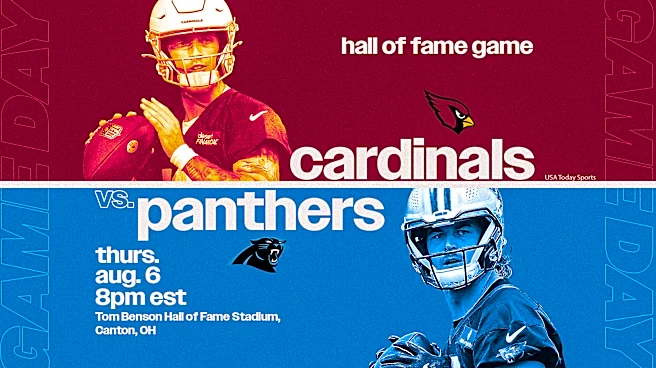
What separates the Hall of Fame Game from other preseason matchups is its direct link to the enshrinement ceremony. The game is the centerpiece of a weekend-long celebration of the sport's greatest legends. This gives television networks a powerful narrative to build their broadcast around. It's not just about the two teams on the field; it's about the entire history of the sport. The broadcast is filled with tributes to the new inductees, interviews with returning Hall of Famers, and a sense of reverence you won't find in a typical exhibition. Starting in 2011, the league began selecting teams for the game that had a prominent player being inducted that year, further strengthening this connection.
The Unofficial-Official Kickoff
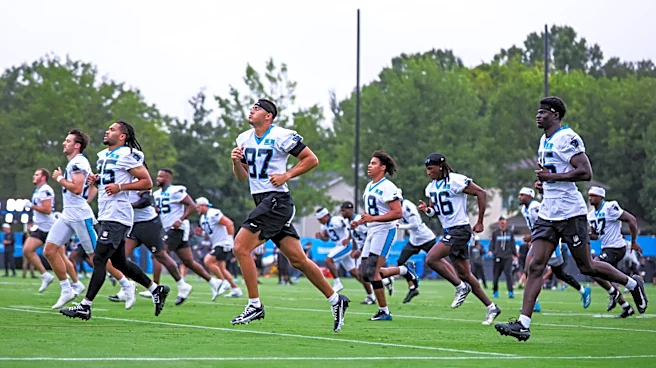
Timing is everything. For nearly six months between the Super Bowl and early August, there is no NFL football. The Hall of Fame Game is strategically positioned as the very first taste of on-field action, a solution to the football famine that grips fans every summer. It's the only game on the schedule that week, giving it a captive audience of sports viewers starved for the gridiron. Even if the quality of play is questionable—with starters often sitting out—the ratings are consistently strong. The game regularly wins its time slot, proving that for hungry fans, even a flawed version of football is better than no football at all.
An Endearing, Imperfect Ritual
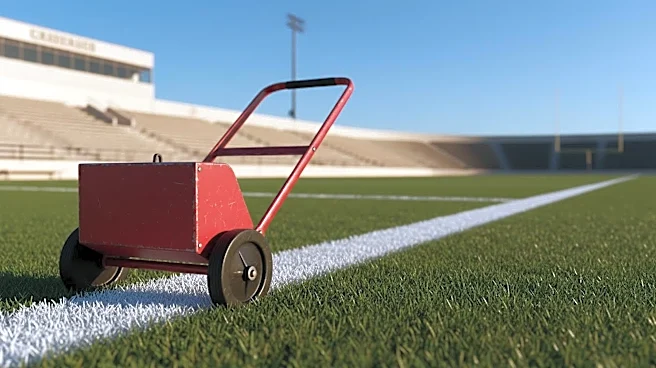
The game is not without its critics or its oddities. The quality of play can be sloppy, as teams ease their third- and fourth-string players into action. The game itself has also been canceled on rare occasions due to labor disputes, the COVID-19 pandemic, and most bizarrely, unsafe field conditions in 2016 when paint failed to dry properly on the turf. Furthermore, participating in the game means an extra week of training camp and an additional preseason contest, yet no team that has played in it since 2005 has gone on to even reach a conference championship. Despite all this, its place is secure. The game endures because its value isn't measured in wins or spectacular plays, but in the ritual of return. It's the familiar sights, sounds, and rhythms of football that tell a nation of fans: welcome back.