




More Than a Game: A Fabric of Community
From the first game between Rutgers and Princeton in 1869, college football has woven itself into the cultural fabric of American life. Its legacy begins with identity. For countless towns and cities, the local university’s team is a source of immense
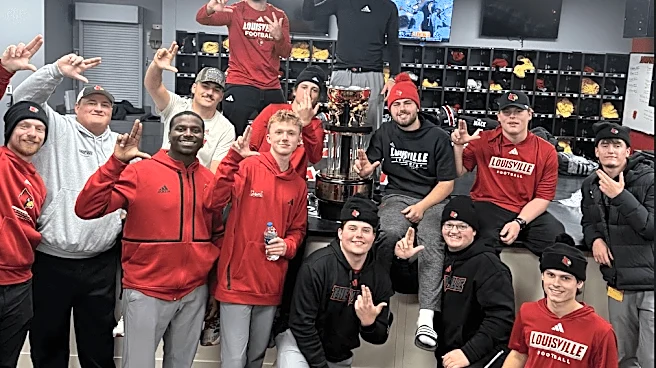
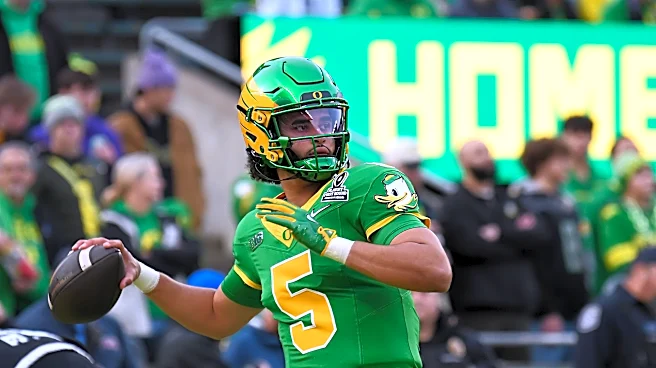
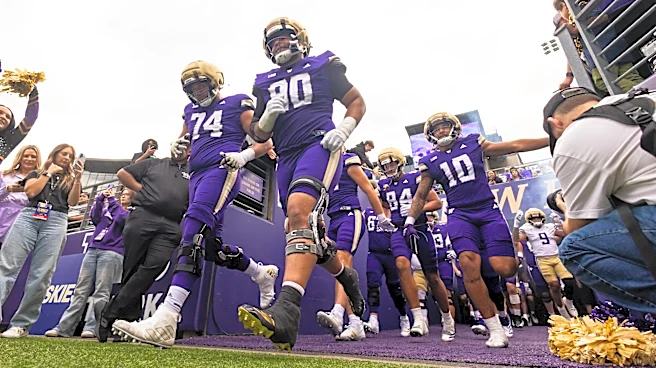
civic pride and a primary marker of regional identity. This bond is forged through generations of shared experience—the tailgates, the fight songs, the chill of a November afternoon in the stands. Historic rivalries, like Michigan versus Ohio State or Alabama versus Auburn, are not just annual contests but cultural events with over a century of history, passion, and bragging rights on the line. These traditions create a powerful sense of belonging that connects current students, alumni, and local residents, turning a university into a spiritual home for millions. This deep-seated community loyalty is the bedrock upon which the entire enterprise is built.
The Economic Engine: Saturday Gold Rush
Beyond the pageantry, college football is a massive economic engine. For many university towns, gameday weekends are the lifeblood of the local economy. Hotels are booked months in advance, restaurants are packed, and local businesses see a surge in revenue that can sustain them for the year. The economic impact of a single home game can bring tens of millions of dollars into a local economy. For the universities themselves, a successful football program can lead to increased student applications—a phenomenon known as the “Flutie Effect”—as well as greater alumni engagement and donations. The revenue from billion-dollar television contracts, ticket sales, and merchandise not only funds the athletic departments but often supports other academic initiatives, cementing football’s role as a critical financial asset for the institution.
An Evolving Battlefield: From Amateurism to Enterprise
For decades, the legacy of college football was built on the myth of amateurism—the idea of the pure “student-athlete.” However, this foundation has crumbled in recent years. The landscape was irrevocably altered in 2021 when the NCAA permitted athletes to profit from their Name, Image, and Likeness (NIL). This has ushered in an era where players can earn significant income through endorsements and sponsorships, effectively turning them into professionals in all but name. This shift, combined with the rise of the transfer portal allowing players to move more freely between schools and the dramatic realignment of conferences for television money, has transformed the sport. Traditions and geographic rivalries have been strained or broken, replaced by a new reality driven by market forces and financial incentives.
A Legacy in Motion: The Contradiction and The Future
Today, college football’s legacy is a study in contrasts. It is a celebration of tradition that is undergoing radical, tradition-breaking change. It champions amateur ideals while operating as a multi-billion-dollar industry. The expansion of the College Football Playoff brings the high stakes of the postseason to more campuses, further professionalizing the game while also spreading its economic benefits more widely. As the sport navigates thorny issues like player compensation, long-term health risks, and the seismic shifts in conference structures, its leaders are grappling with how to preserve the core elements that fans cherish while adapting to a new professional and commercial reality. The enduring question is whether the passion and community that built the sport can coexist with the money and power that now define its future.