
A Surface Built for Speed
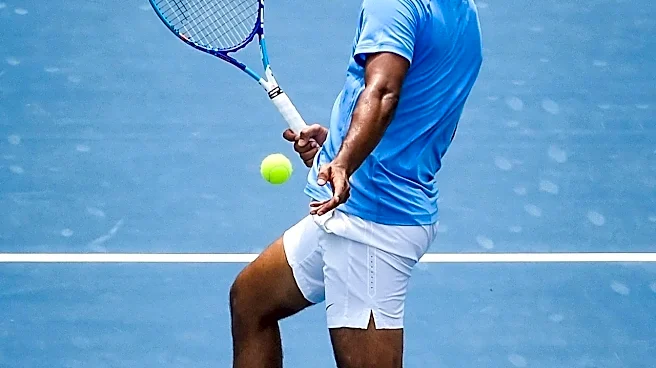
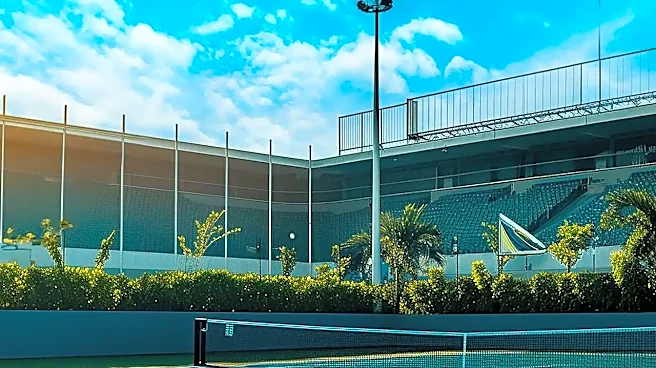
At the heart of the Cincinnati Open's character are its outdoor hard courts. Historically considered among the faster surfaces on tour, they reward a specific style of play. The courts, now supplied by Har-Tru with a medium-fast pace, offer a consistent,
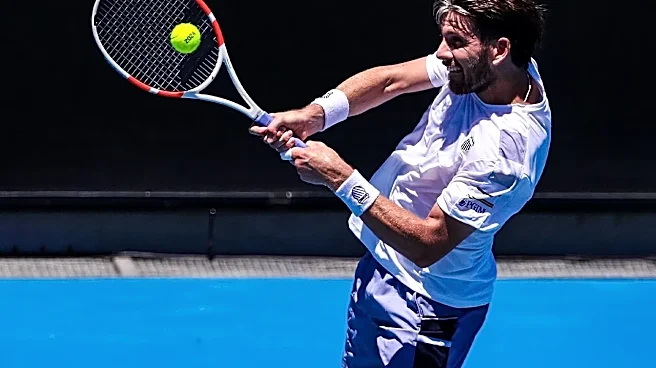
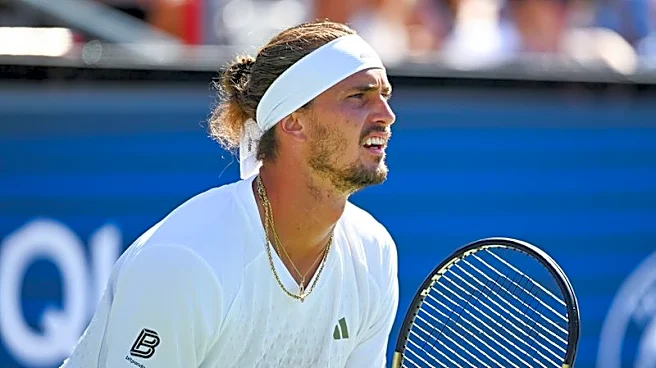
true bounce that allows big servers and aggressive baseliners to take control of points early. Players who can hit through the court, take the ball on the rise, and end rallies quickly often find the most success. Unlike the slower, higher-bouncing clay or the low skid of grass, Cincinnati's surface gives an edge to those whose games are built around first-strike tennis. This is why a roll call of its recent men's champions—including Novak Djokovic, Carlos Alcaraz, Jannik Sinner, and Alexander Zverev—reads like a who's who of hard-court masters.
The Ultimate US Open Trial
Timing is everything in sports, and Cincinnati’s placement on the calendar is a crucial factor in its identity. As the last major ATP Masters 1000 event before the US Open begins in New York, it serves as the final, most serious test for Grand Slam contenders. By mid-August, players have spent weeks on the North American hard-court swing and are looking to hit peak form. A deep run in Cincinnati provides not just ranking points, but invaluable match fitness and confidence on a similar surface to what they will face at Flushing Meadows. This makes the tournament a high-stakes proving ground where players fine-tune their games, test their physicality, and make final adjustments before the last major of the year.
Surviving the Midwest Summer
The playing conditions in Cincinnati add another layer of difficulty. Matches are often contested in grueling heat and humidity, which can physically drain even the fittest athletes. This environment tends to favor players who can manage their energy efficiently and, once again, those who can shorten points with powerful serves and forehands. Long, grinding rallies become a war of attrition. Players who rely on outlasting their opponents can find themselves wilting in the Ohio summer weather. The heat can also make the ball fly faster through the air, further benefiting aggressive players who hit flat and hard. The combination of a quick court and taxing weather creates a formula where explosive, powerful tennis is often the key to survival and success.
A Legacy of Hard-Court Dominance
The history books don't lie. The tournament's most successful male champion is Roger Federer, whose seven titles were built on a game perfectly suited to fast hard courts. In more recent years, Novak Djokovic has also found immense success, capturing the title in 2020 and again in 2023 in an epic, nearly four-hour final against Carlos Alcaraz that is considered one of the best three-set matches ever played. The list of finalists and champions is filled with players known for their hard-court prowess, like Daniil Medvedev and Alexander Zverev. These athletes possess the key ingredients: a massive serve, a powerful baseline game, and the ability to dictate play from the first shot. Their repeated success in Cincinnati isn't a coincidence; it's a testament to a tournament that consistently rewards their specialized skill set.