


A Storybook Moment
The scene at the 2018 NBA Draft was something out of a screenplay. The 76ers were on the clock with the 10th pick, and the perfect prospect was available: Mikal Bridges. He was a local kid from just outside Philly, a two-time national champion from Villanova,
and a polished wing player whose game seemed tailor-made for the modern NBA. The story got even better: his mother, Tyneeha Rivers, was a Vice President of Human Resources for the team's parent company. When NBA commissioner Adam Silver announced the pick, it was a moment of pure, unadulterated joy for the city. Bridges himself was ecstatic, conducting interviews in a 76ers cap, his mother celebrating by his side. It felt like destiny.
The Trade That Broke Hearts
The storybook ending lasted all of 38 minutes. While Bridges was still doing media rounds, news began to trickle out, soon becoming a torrent: the Sixers were trading him. He was being sent to the Phoenix Suns in exchange for the 16th pick, a hyper-athletic but raw guard from Texas Tech named Zhaire Smith, and a future first-round pick from the Miami Heat. The celebration among the fanbase curdled into shock and anger. The perfect homecoming was over before it began. Then-coach and interim General Manager Brett Brown, who made the call, later expressed his regret, reportedly apologizing to Bridges' mother profusely for the brutal business decision.
Two Divergent Paths
The rationale from the Sixers' front office was a bet on upside. They saw Zhaire Smith as a potential star with elite athleticism. Unfortunately, fate intervened in the cruelest way. Before his rookie season even began, Smith broke his foot. Worse, a severe allergic reaction during his recovery caused him to lose over 40 pounds and threatened his life. His NBA career never recovered; he would play just 13 games for the 76ers. Mikal Bridges, meanwhile, became the player Philadelphia desperately needed. He developed into one of the league's premier '3-and-D' wings—an elite perimeter defender and a reliable outside shooter. He became an ironman, playing in every single game for years and serving as a key cog on a Suns team that reached the NBA Finals.
The Alternate History
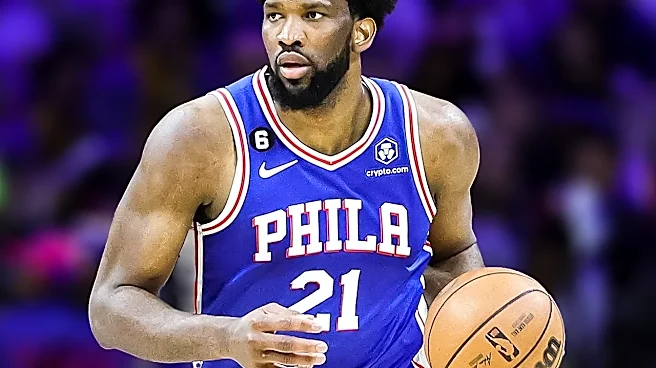
The question that has tormented Sixers fans ever since is simple: what if they had just kept him? The young core at the time featured Joel Embiid and Ben Simmons, a duo whose potential was hampered by poor floor spacing and a lack of consistent wing defense. Bridges was the perfect solution. His low-maintenance offensive game would have complemented the team's stars, while his defensive prowess could have taken them to another level. Perhaps with Bridges on the roster, the Sixers wouldn't have felt compelled to make the costly trade for Jimmy Butler or, later, the Tobias Harris trade that hamstrung their financial flexibility for years. With Bridges, the on-court fit was seamless. He was exactly the kind of player championship teams are built on—a high-level role player who makes stars better. The 76ers had him, for a moment, and let him go.