




The Sea of Orange
First and foremost, you can't talk about the Dutch Grand Prix without talking about the fans. The 'Orange Army' is a phenomenon unlike any other in F1. Grandstands, dunes, and the entire town of Zandvoort transform into a vibrant, roaring sea of the national
color. This isn't just passive spectating; it's an immersive, festival-like experience complete with DJs, music, and a level of coordinated passion that feels more like a World Cup final. While other tracks have passionate fans, the Orange Army brings a unique, positive, and overwhelming energy. Their devotion is so strong that they often travel to other races, like the Belgian and Austrian Grands Prix, creating 'home' sections for their hero far from the Netherlands.
A Throwback Track with a Modern Twist
Circuit Zandvoort is an 'old-school' track in the best sense of the word. Nestled in the coastal sand dunes, its layout is characterized by flowing, high-speed corners and dramatic elevation changes. Corners like the blind, downhill 'Scheivlak' test a driver's courage and precision. When the race returned to the F1 calendar in 2021 after a 36-year absence, it did so with a spectacular update: two steeply banked corners. The final corner, Arie Luyendykbocht, has an 18-degree incline, allowing drivers to take it at full throttle. This feature, rare in modern F1, creates unique setup challenges and exciting racing lines, blending the circuit’s historic character with a modern, aggressive challenge.
A Deep and Storied History
While its modern incarnation is a spectacle, Zandvoort's roots run deep into F1 history. The first Grand Prix was held here in 1952, just two years into the official Formula 1 World Championship. The winners' list reads like a hall of fame: Alberto Ascari, Jim Clark, Jackie Stewart, and Niki Lauda have all tasted victory here. The track hosted 30 championship races between 1952 and 1985 before its long hiatus. This rich past adds a layer of prestige and significance. Its return wasn't just the addition of a new race; it was the revival of a classic, connecting the sport's current stars with the legends of a bygone era.
The Max Factor
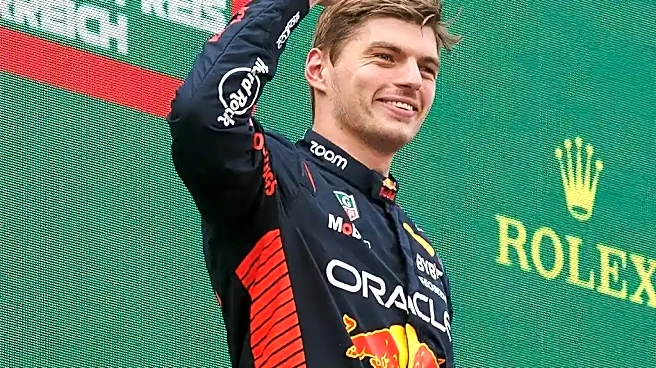
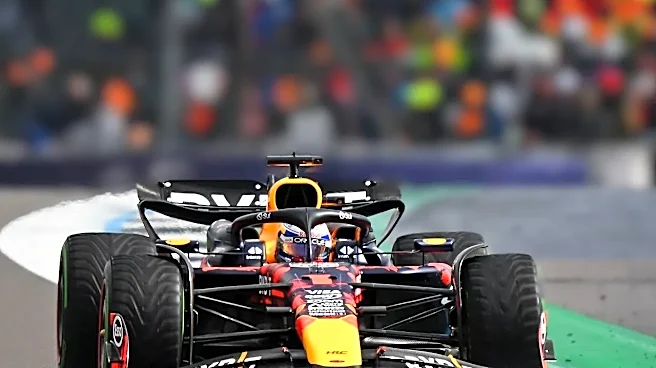
It's impossible to separate the Dutch Grand Prix's modern success from Max Verstappen. While the Netherlands has had other F1 drivers, Verstappen's rise to become a multiple World Champion ignited a national passion for the sport. His immense popularity was the driving force behind the race's return. F1 viewership in the Netherlands saw a massive 81% increase in the year of the GP's comeback, a surge largely attributed to the 'Max Factor'. For the Orange Army, the race is a pilgrimage to celebrate a national hero. His victories at his home race have solidified the event as a massive national celebration, turning the Grand Prix from a simple sporting event into a cultural touchstone for a new generation of Dutch fans.