




What Is Biomechanics, Anyway?
At its core, biomechanics is the science of movement. It applies the laws of physics and mechanics to understand how a living body moves and the forces that act upon it. For an NFL player, this means analyzing every sprint, cut, jump, and throw not just
for performance, but for efficiency and stress. Think of it as the engineering behind the athlete. Instead of just knowing a player has a sore knee, biomechanics aims to understand why the knee is sore. Is the player landing awkwardly after a jump? Is one leg compensating for a weakness in the other? These are the questions biomechanics can help answer.
Beyond the Standard Injury Report
The traditional injury report is reactive. It tells you who is already hurt. A biomechanical analysis, however, can be predictive. Professional teams are increasingly using full-time biomechanists on staff who employ advanced technology to get ahead of injuries. Using tools like 3D motion capture systems, force plates that measure ground forces during movement, and wearable sensors, they can create a detailed profile of a player's movement patterns. This data can reveal subtle inefficiencies or asymmetries that might not be visible to the naked eye but can lead to a higher risk of injury over time. For fantasy managers, this represents a major shift from reacting to news to anticipating risk.
The Key Markers for Injury Risk
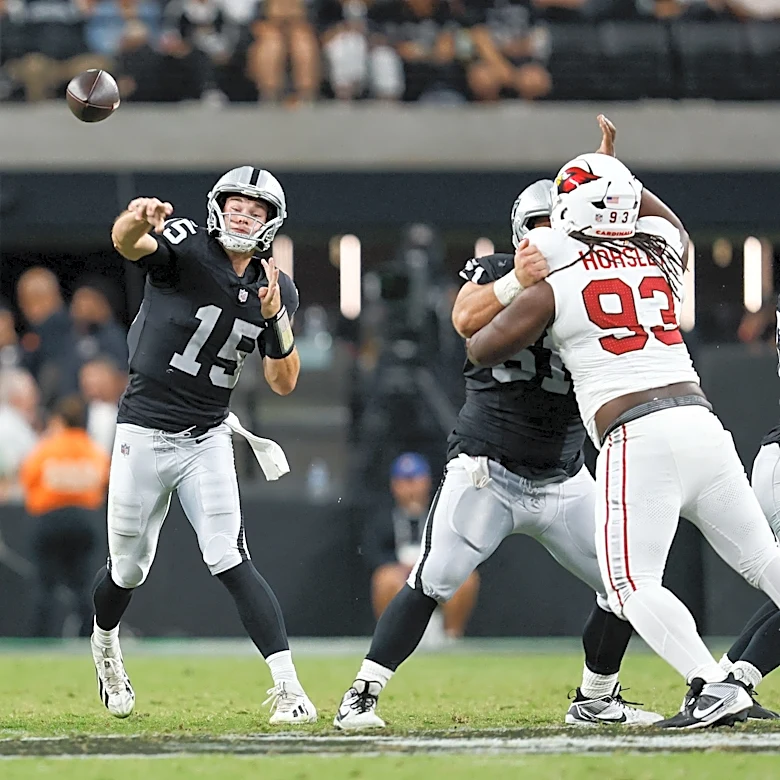
So, what are these experts looking for? Several key markers often flag a player as a high injury risk. Asymmetries are a major red flag; for instance, if a player generates significantly less force with their left leg than their right when jumping, it could signal a muscular imbalance that puts extra strain on other body parts. Another is landing mechanics. An increased knee valgus—where the knee collapses inward during landing—is a well-known predictor of ACL injuries. For quarterbacks, biomechanical analysis of their throwing motion can identify wasted energy or stressful arm angles that could lead to shoulder or elbow issues. Even a player's posture when they start to sprint can indicate a higher risk for head impacts. These data points create a much richer picture of a player's physical state than a simple 'questionable' tag.
Case Study: The 'Injury-Prone' Player
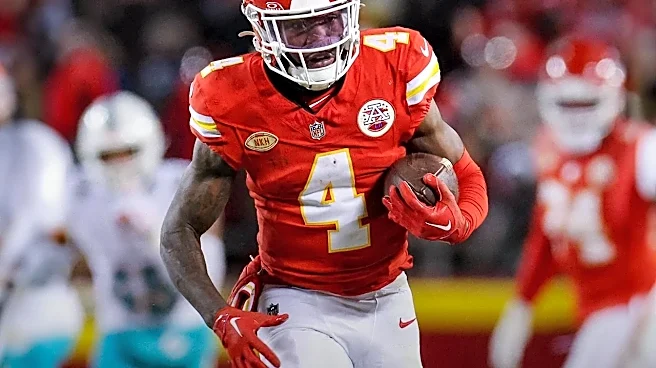
Consider the classic "injury-prone" running back who always seems to be dealing with nagging soft-tissue injuries like hamstring or groin pulls. A traditional fantasy manager might just avoid him. But a manager thinking with a biomechanical lens would ask why. Analysis might show that the player exhibits poor deceleration mechanics, putting excessive eccentric load on his hamstrings. Or perhaps motion capture reveals a slight, almost imperceptible, change in his running gait compared to the previous season, a sign of his body compensating for a minor, un-reported issue. These are the kinds of underlying problems that lead to recurring injuries. By identifying these patterns, analysts can flag a player's risk level with much greater precision.
How Fantasy Managers Can Use This Edge
While you may not have access to a multi-million dollar biomechanics lab, this way of thinking is filtering down into the fantasy analysis world. A growing number of sports analysts and injury experts are incorporating biomechanical principles into their player evaluations. They watch film not just for talent, but for inefficient movement patterns. They follow the work of specialists who consult for NFL teams and apply their public-facing insights. When you're drafting or making a trade, start thinking beyond the box score. Pay attention to analysts who discuss a player’s running form, their landing technique, or the fluidity of their movements. This added layer of analysis won't give you a crystal ball, but it can provide a significant edge in a game where health is often the ultimate deciding factor.