





A Roaring Finale to Summer
Every Grand Slam has its character. Wimbledon has its polite tradition, the French Open its clay-court grit. The US Open, however, has an attitude. As the fourth and final major of the tennis season, it’s where careers are defined and seasons are made
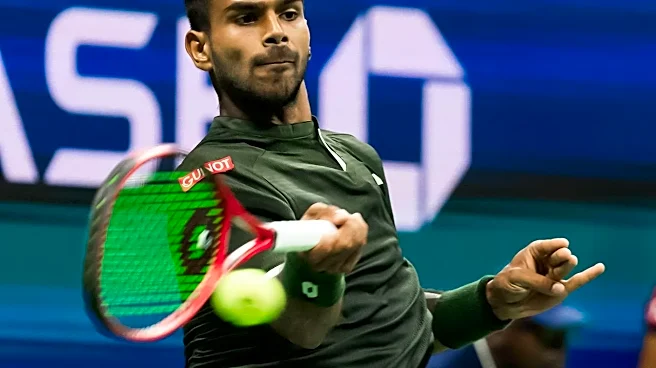
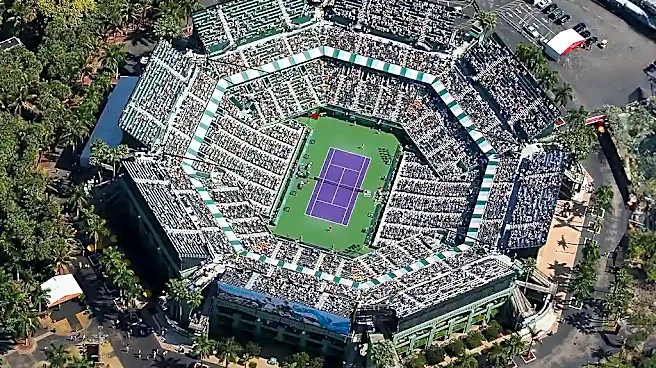
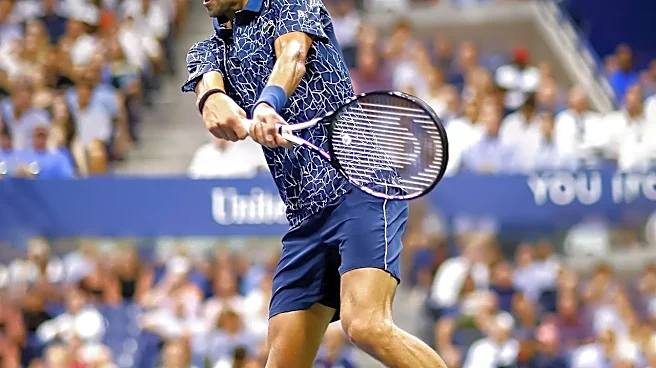
or broken. This creates a high-stakes environment that is amplified by its setting. The tournament moved to its current home in Flushing Meadows in 1978, a decision that cemented its identity. The main court, Arthur Ashe Stadium, is the largest tennis arena in the world, and the New York crowd fills it with a sound unlike any other in the sport. Fans are vocal, passionate, and treat big matches less like a polite tennis viewing and more like a championship basketball game. That energy, combined with the final-slam pressure, forges an unforgettable spectacle.
The Night Belongs to New York
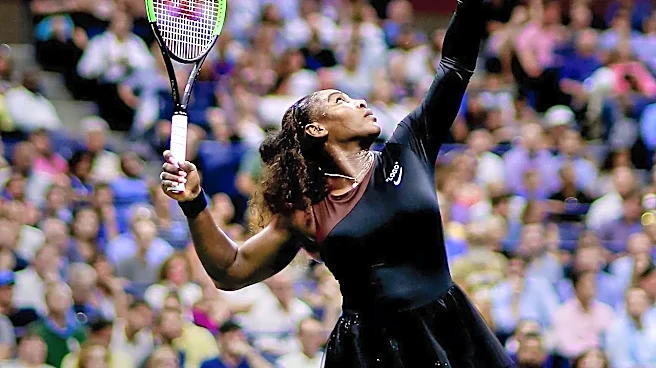
Perhaps nothing defines the US Open more than its night sessions. Introduced in 1975, playing under the lights transformed the event, creating a primetime television spectacle and a signature experience. While other tournaments have night play, New York’s version is a different beast. The sessions concentrate the day's drama into two or three marquee matches, turning the stadium into a theater of sound and light. The atmosphere becomes electric, with a post-work crowd that is louder and more engaged, creating an environment that players have called the best in tennis. Matches frequently stretch past midnight, fueled by the energy of over 23,000 fans, creating memorable drama that feels perfectly at home in the city that never sleeps.
An Economic Grand Slam
Beyond the on-court drama, the US Open is a financial powerhouse for New York City. The tournament's economic impact is estimated to exceed $1.2 billion annually. For a period of about three weeks, including the popular Fan Week leading up to the main draw, the event draws hundreds of thousands of visitors to the city, filling hotels and restaurants. It generates more revenue for the city in that short window than the entire Yankees and Mets baseball seasons combined. This massive influx of tourism and spending supports thousands of seasonal jobs and solidifies the tournament's importance to the city's economic health, making it an anchor of the late-summer calendar.
A Mirror to the Metropolis
Ultimately, the US Open is a signature New York event because it reflects the city itself. It is a global affair, drawing players and fans from every corner of the world to a public park in Queens, one of the most diverse places on Earth. It's a hub of celebrity culture, where the blue carpet arrivals and courtside sightings of A-listers are as much a part of the spectacle as the tennis itself. The event is loud, ambitious, and unabashedly commercial, from the iconic Honey Deuce cocktail to major brand activations. Even the 2026 tournament theme, “Celebrating Our New York Story,” explicitly embraces this connection, weaving imagery from all five boroughs into its branding. It’s a festival of sport, food, and culture that is as diverse, intense, and captivating as the city that hosts it.