

The Last Great Colosseum
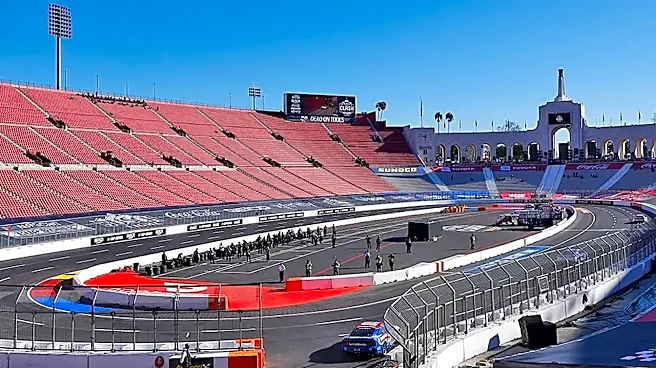
They call it “The Last Great Colosseum” for a reason. With grandstands that tower over a half-mile oval, Bristol Motor Speedway creates an atmosphere unlike any other in sports. The track itself is a monster in miniature: a 0.533-mile concrete circle
with banking that ranges from 24 to 28 degrees in the turns. This extreme steepness, combined with the short lap length, forces drivers into a relentless rhythm of acceleration and braking, with no time to rest. It’s a short track that races like a superspeedway, a place where constant traffic and split-second decisions are the norm. The noise, measured at over 140 decibels, is physically palpable, a deafening roar that echoes off the concrete and steel, trapping the energy and amplifying it. For fans and drivers alike, it’s a full sensory assault. You don’t just watch a race at Bristol; you feel it in your bones.
A Theater of Conflict
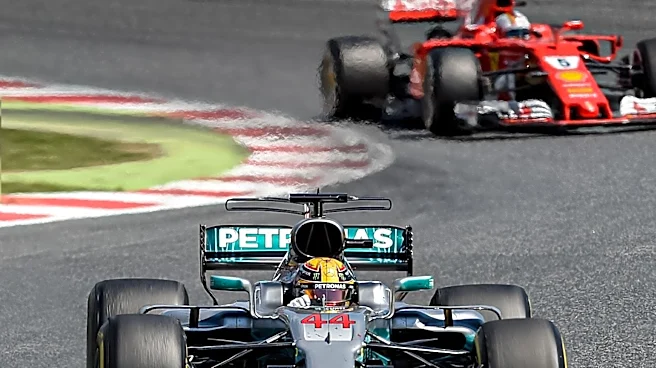
More than the speed, Bristol is defined by conflict. The tight confines and high speeds make contact inevitable, turning races into 500-lap tests of survival. The track’s history is written in bent sheet metal and frayed tempers. It’s the place where Dale Earnhardt famously rattled Terry Labonte’s cage to win in 1999, unapologetically stating he just meant to “rattle him,” not wreck him. It’s where Jeff Gordon and Rusty Wallace traded paint and victories, defining a classic NASCAR rivalry. These moments are more than just highlights; they are modern gladiatorial battles that have become folklore. The “bump-and-run” is not just a tactic here; it's an art form, a necessary tool for anyone hoping to see the checkered flag. Winning at Bristol requires skill, but it also demands aggression and a willingness to stand your ground in a place that offers none.
An Appalachian Institution
To understand Bristol, you have to understand its roots in Appalachian culture. Nestled in the mountains of Northeast Tennessee, the track is deeply connected to the origins of stock car racing itself—a sport born from moonshine runners who modified their cars to outrun the law on winding backroads. That spirit of rebellious ingenuity and blue-collar grit is baked into Bristol’s concrete. It represents a pilgrimage for fans whose families have been following the sport for generations. Race weekend isn't just an event; it's a massive, sprawling family reunion. Campgrounds become small cities, filled with the smell of barbecue and the sound of stories being swapped. This is a place where tradition matters, where working-class heroes are celebrated, and where the sport feels deeply connected to its outlaw past.
More Than a Race, It's an Experience
Ultimately, the final results of a Bristol race often fade into the background. What endures is the memory of the experience. It’s the pre-race track walk, where fans can feel the radical banking under their own feet. It’s the elaborate driver introductions, set against a backdrop of fireworks and roaring crowds. It’s the Fan Zone, a festival of music, food, and racing culture that buzzes with energy all weekend. For many, a trip to Bristol is a bucket-list item, a rite of passage for any true follower of American motorsports. The winner’s trophy is temporary, but the feeling of being part of the thundering herd, packed into that concrete bowl as modern gladiators battle below, is something that stays with you long after the engines fall silent.