







The Bedrock: An Elite Rushing Profile
Before we even get to the receptions, let’s establish the foundation. Ollie Gordon II’s fantasy value was already built on the rock-solid ground of elite rushing volume. He has consistently handled a massive workload, with a high number of carries in most
games since taking over the lead role. For much of the season, his fantasy output was fueled by sheer rushing yardage and a nose for the end zone, including a stretch of four straight games with a touchdown. This volume-based production alone gave him a reliable, if somewhat touchdown-dependent, floor as a strong RB2 for fantasy lineups. Managers knew that, at a minimum, they were getting a player who would get the ball early and often, a rare and valuable commodity in today's game.
The Passing Game Surge
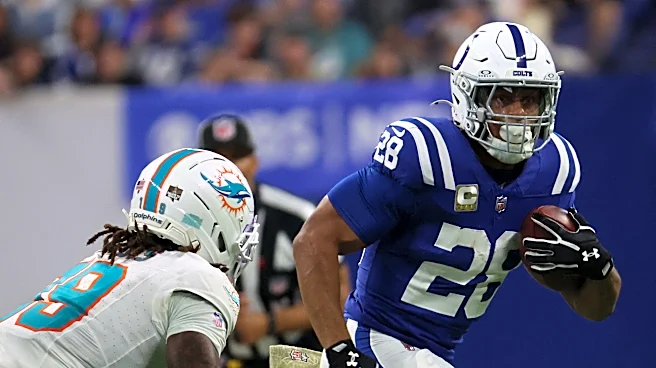
The narrative began to shift significantly in his most recent outing. In the Week 10 game against the Colts on November 15, Gordon saw a season-high five targets, catching four of them for 39 yards. This wasn't just a handful of check-downs; it was a legitimate role in the passing attack that added a significant scoring boost to his fantasy line. For a player who, in some previous multi-game stretches, had offered next to nothing as a receiver, this development was a game-changer. His performance against the Colts, where he combined 76 rushing yards with 39 receiving yards, showcased the exact dual-threat potential that turns very good fantasy running backs into league-winners. The question is no longer if he can catch the ball, but if this usage will continue.
System, Script, or Sustainable Skill?
So, what caused this sudden involvement? It's likely a combination of factors. With a new quarterback, Kyle McCord, stepping in, offenses often simplify and rely more on their most dependable playmakers. A running back who can serve as a reliable safety valve is a young quarterback's best friend. This points toward a deliberate strategic shift to get the ball into Gordon's hands in space. While some of his receiving work earlier in the season was minimal, the expanded role in the most recent game suggests it's more than just a random occurrence. Fantasy managers shouldn't necessarily expect five targets every week, but it's reasonable to project a new baseline of a few receptions per game, a massive upgrade from his previous role.
What It Means for His Weekly Floor
This is where the fantasy impact becomes crystal clear. A 'floor' in fantasy football refers to the minimum number of points you can reasonably expect from a player in any given week. A running back who relies solely on rushing can have a volatile floor; if they get stuffed at the goal line or the team falls behind, their fantasy score can plummet. Adding receptions changes that math entirely, especially in PPR (points per reception) leagues. Each catch is a point, before the yardage is even counted. Two or three catches for 20 yards can add four or five points to a player's weekly score. That's the difference between a bust week and a respectable outing. By adding this receiving work, Gordon's floor transforms. He's no longer just a volume-based rusher; he's now a multi-faceted threat whose value is less dependent on game script or touchdown luck. This makes him a far more reliable, and therefore more valuable, fantasy asset week in and week out.