




The Unstoppable Orange Army
More than any other race, the Dutch Grand Prix is defined by its fans. Known as the 'Orange Army,' tens of thousands of Dutch supporters descend upon the coastal town of Zandvoort, creating an electric atmosphere that feels more like a music festival
than a sporting event. Clad head-to-toe in their national color, the fans pack the grandstands and surrounding dunes, unleashing a wall of sound and orange smoke for their hometown hero, Max Verstappen. This wave of passionate, almost tribal support has become a global spectacle, transforming the entire weekend into a national celebration and setting a new bar for fan engagement in the sport. The energy is infectious, with world-class DJs playing sets between sessions, making the event a non-stop party.
A Throwback Track with a Modern Twist
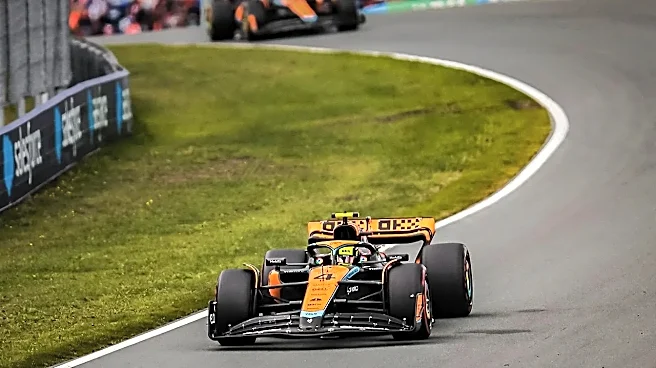
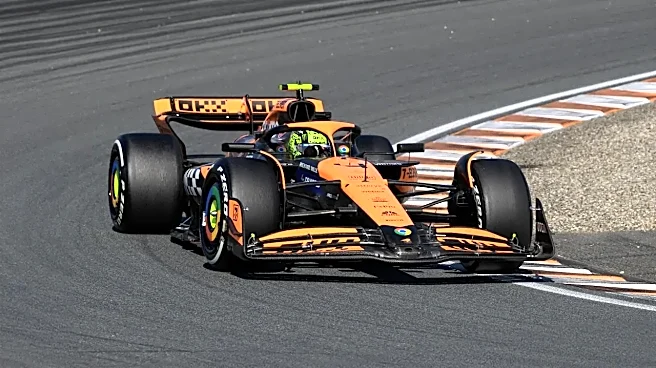
Zandvoort is what drivers call an 'old-school' circuit, and they mean it as the highest compliment. First hosting a Grand Prix in 1952, the track is nestled in the sand dunes along the North Sea coast, giving it a unique, undulating, rollercoaster-like feel. Unlike modern circuits with vast asphalt run-off areas, Zandvoort is narrow and unforgiving, with gravel traps waiting to punish the slightest mistake. Its triumphant return to the F1 calendar in 2021 after a 36-year hiatus came with a brilliant update: two steeply banked corners, including the final Arie Luyendykbocht. With an incline of 18 degrees, these turns allow drivers to attack at incredible speeds, creating unique racing lines and a thrilling challenge not seen anywhere else on the calendar.
The Verstappen Factor
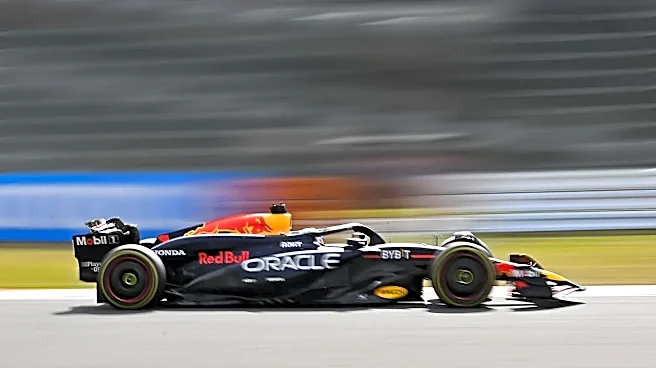
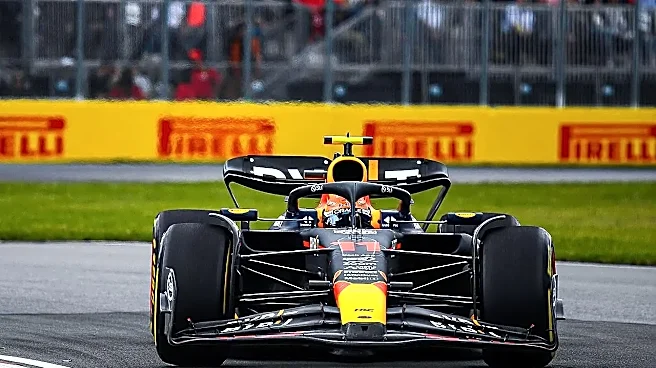
You can't talk about the modern Dutch Grand Prix without talking about Max Verstappen. His rise from teenage prodigy to multiple-time World Champion is the singular force that resurrected this race. Before his debut, Formula 1 was a niche sport in the Netherlands. Now, his homecoming race is one of the hottest tickets of the year. The pressure on him to perform in front of his adoring crowd is immense, yet he has consistently delivered, making his victories here some of the most emotionally charged moments of recent seasons. The event is a testament to the power of a single driver to captivate a nation and place a Grand Prix at the very heart of the F1 calendar.
A Crucial Calendar Kick-Off
Strategically, the Dutch Grand Prix holds a key position as the first race after F1's mandatory summer break. This is the moment the season's final chapter begins. Teams arrive with their last major upgrade packages of the year, hoping to find a crucial edge for the championship run-in. It serves as an immediate, high-pressure test for both drivers and machinery after weeks away from the track. For the 2026 season, the event will also host its first-ever F1 Sprint race, adding another layer of drama and championship points to an already intense weekend.
The Final Lap
Adding a layer of historical significance, the 2026 Dutch Grand Prix is slated to be the final one under the current agreement. After its celebrated return, organizers have confirmed that this edition will mark a farewell, a 'Final Lap' for the event in its current form. This knowledge infuses the race weekend with a sense of finality and celebration, a last chance for fans to experience the unique combination of the roaring Orange Army, the challenging seaside circuit, and the homecoming of a national hero. The decision makes the 2026 race not just a key stop, but a must-see piece of modern F1 history before it disappears from the calendar once more.