



Beyond the Box Score: Why Formations Matter
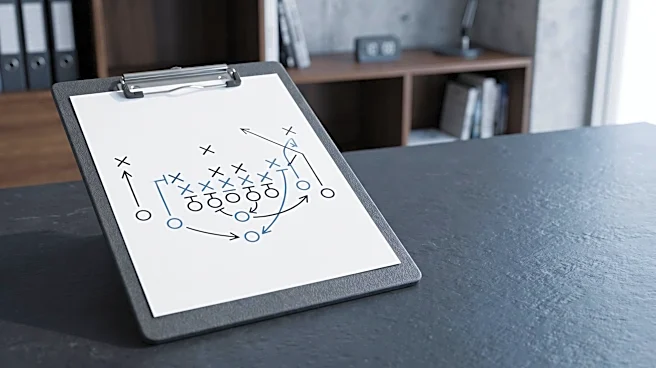
At its simplest, a formation tells you who is on the field. In fantasy, that’s everything. The most common language is personnel groupings. When you hear an announcer say “11 personnel,” they’re describing a package with one running back and one tight
end (the first two digits). The remaining players are wide receivers, so “11” means one RB, one TE, and three WRs. “12 personnel” means one RB, two TEs, and two WRs. Paying attention to this is critical. If a team that usually runs the ball suddenly starts living in 11 personnel, it signals a shift toward the pass. This is great news for the quarterback and wide receivers. Conversely, a team shifting to more 12 or 22 personnel (two RBs, two TEs) is likely committing to the run. That means more volume for the primary running back and potentially fewer targets to go around for the wideouts. It’s a basic but powerful indicator of offensive philosophy and, more importantly, future opportunity.
Motion as a Magnifying Glass
Pre-snap motion has become a staple of modern NFL offenses. For a fantasy manager, it's a cheat sheet for identifying a player's importance. Offensive coordinators use motion for many reasons: to identify defensive coverage (man or zone), create mismatches, and get a key player the ball with a running start. When you see a player constantly being sent in motion, it’s a flashing sign that the coaches are actively scheming touches for them. A running back who motions out into the slot isn't just a runner; he's a receiving threat the team wants to isolate against a slower linebacker. A wide receiver who motions from the outside into a tight bunch formation might be the intended target on a screen or the key blocker on a run play. Tracking the “motion man” tells you who the coaches trust and who is central to their game plan, often before the box score reflects it.
Alignment: The Geography of Opportunity
Where a player lines up on the field is just as important as what he does after the snap. A player’s alignment can directly influence his fantasy ceiling. For wide receivers, the key distinction is between lining up on the outside (boundary or X receiver) versus the inside (slot receiver). Slot receivers often run shorter, higher-percentage routes and can rack up receptions in PPR (points per reception) leagues. A receiver who suddenly starts taking a significant number of his snaps from the slot could be in for a major target bump. For running backs, alignment tells a story about their role. Is the backup RB only on the field in short-yardage situations, or is he splitting out wide on third down? The latter indicates a valuable receiving role that gives him a standalone fantasy floor, even if he isn’t the primary ball carrier. This is how you spot a satellite back or a future three-down threat before he breaks out.
Connecting the Dots for Fantasy Gold
The real magic happens when you combine these observations. Let's say you're watching a game and notice a team is using more 11 personnel (three WRs) than usual. You also spot their rookie WR, who typically plays outside, going in motion on several plays before lining up in the slot. On one of those plays, he gets an easy six-yard catch on a quick out route. That's the trifecta. The formation shift (11 personnel) signaled more passing. The motion signaled he's a player they want to involve. The alignment shift (to the slot) gave him a higher-percentage target. This is a player whose role is expanding right before your eyes. While your league mates are looking at his final stat line of three catches for 25 yards and shrugging, you see the underlying trends that point to a future breakout. This is how you stay ahead of the curve and find waiver wire gems or sneaky trade targets before their price skyrockets.