



The 5-Minute Prep: Know Your League
Before you even think about players, understand your league's basic settings. The most important one is the scoring format. Is it a PPR or standard league? PPR means players get a Point Per Reception, making pass-catching players more valuable. Standard
leagues only award points for yards and touchdowns. Also, check how many players you start at each position. This basic knowledge is your foundation, preventing you from making common rookie mistakes like drafting players that don't fit your scoring system. A quick look at these rules is all the homework you need to avoid a draft-day disaster.
The Early Rounds (1-3): Build Your Foundation
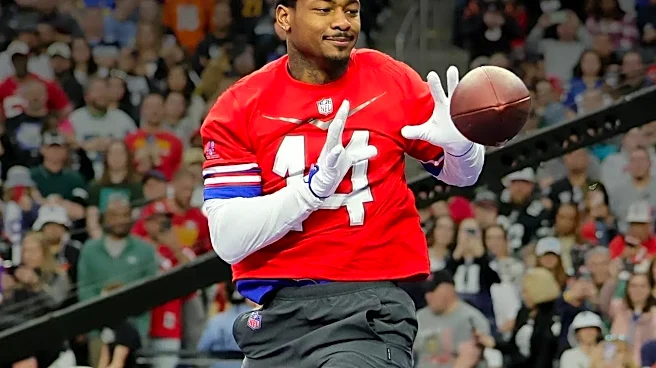
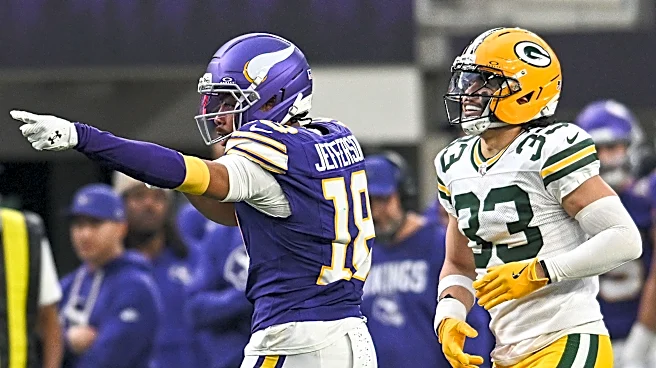
Don't overthink your first few picks. This is where you draft the studs who will carry your team. In most leagues, this means prioritizing running backs (RBs) and wide receivers (WRs). These positions have the steepest drop-off in talent, so securing elite players early is crucial. A common strategy is to draft at least one top-tier running back in the first two rounds, as they are the workhorses of fantasy football. Whether you go with a running back like Jahmyr Gibbs or an elite receiver like Justin Jefferson, focus on players who get consistent, high-volume opportunities. Your goal is to leave the first three rounds with a combination of two RBs and one WR, or vice-versa.
The Middle Rounds (4-8): Find Value and Fill Your Roster
With your core established, the middle rounds are about finding the best players available, regardless of position. Don't feel pressured to fill out your starting lineup right away. Instead, look for players who have fallen further than their rankings suggest. This is often where you'll find great value. It’s also the ideal time to consider a quarterback (QB) or a tight end (TE). While some managers might reach for a QB early, there's tremendous value in waiting. The gap between the top QBs and the next tier isn't as significant as it is for RBs and WRs, so you can often get a very solid starter in the fifth or sixth round. By the end of this phase, you should have a strong mix of reliable starters and high-potential bench players.
The Late Rounds (9-13): Shoot for Upside
The late rounds are for taking calculated risks and building depth. Focus on players with high upside—so-called "sleepers" who could have a breakout season. This is also where you look for handcuffs, which are the direct backups to your star running backs. If your main RB gets injured, his handcuff immediately becomes valuable. Avoid the temptation to draft safe, low-ceiling veterans here. Your bench should be full of lottery tickets, not players who will give you a predictable but uninspiring five points per week. This part of the draft is about potential, so swing for the fences.
The Final Picks: Kicker and Defense
This is the simplest rule in fantasy football: wait until your final two rounds to draft a kicker (K) and a defense/special teams (D/ST). The performance of these positions is notoriously difficult to predict from year to year, and the difference between the top-ranked options and the ones you can pick up week-to-week is minimal. Wasting a mid-round pick on a defense or kicker is one of the most common and easily avoidable rookie mistakes. Use those earlier picks on skill players who have a chance to become weekly starters, and simply grab the best available K and D/ST at the very end.