


Humble and Violent Beginnings
The tradition didn't start in a grand stadium, but on a field in New Brunswick, New Jersey, on November 6, 1869. Students from Rutgers and Princeton (then the College of New Jersey) played what is now considered the first-ever college football game. Watched
by about 100 spectators, the contest barely resembled today's sport; it was more like a massive, soccer-style kicking game with 25 players per side trying to boot a round ball into the opponent's goal. The game was raw, disorganized, and often brutal. In the following years, schools like Yale, Harvard, and Columbia joined in, but the rules were inconsistent. It took a Yale student named Walter Camp, now known as the "Father of American Football," to bring order to the chaos. Starting in the 1880s, Camp introduced revolutionary concepts like the line of scrimmage, the quarterback position, and the system of downs to advance the ball, creating a distinctly American game.
Forging Identity Beyond the Classroom
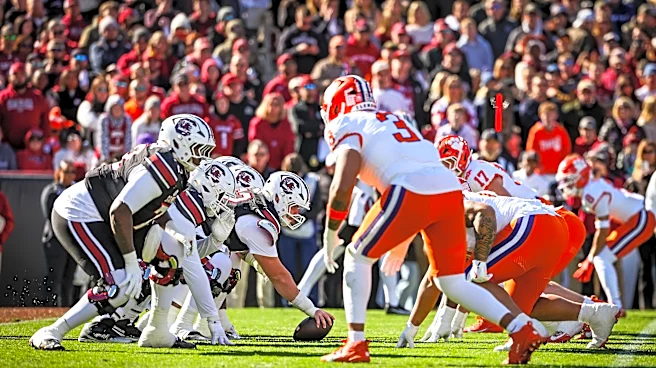
As the game became more organized, it tapped into a powerful human need: belonging. For students, the football team became a symbol of their institution's strength and honor. Victories on the field were a source of immense pride, uniting current students and alumni in a common cause. This is where the intense rivalries that define the sport were born. Clashes like Michigan vs. Ohio State, Alabama vs. Auburn, and Oklahoma vs. Texas became more than just games; they were annual cultural events rooted in regional pride, historical disputes, and competition for resources like top recruits. These contests created an identity that stretched beyond academics, giving universities and their communities a shared spirit and a reason to come together in passionate support. A football team gave a college a soul, and a rival gave it a purpose.
The Media Makes the Myth
College football's climb from a regional pastime to a national obsession was supercharged by the media. In the early 20th century, newspapers turned players like Notre Dame's "Four Horsemen" into national heroes and hyped games to massive audiences. Radio broadcasts then allowed fans who couldn't attend games to follow their teams live, expanding the sport's reach exponentially. But the true game-changer was television. The first televised college game occurred in 1939, but it was in the post-war 1950s that TV began its takeover. Initially, the NCAA feared that televising games would hurt ticket sales, so they heavily restricted broadcasts. However, a 1984 Supreme Court ruling broke the NCAA's monopoly, opening the floodgates. Suddenly, dozens of games were available every Saturday, turning the college football season into a week-in, week-out national narrative accessible from any living room in America.
The Spectacle of Saturday
With television delivering a steady diet of games, a predictable and comforting rhythm emerged: the fall Saturday became college football day. The sport’s structure, with a regular season leading to postseason bowl games, created a season-long drama. The oldest of these, the Rose Bowl, began in 1902 and set the standard for a celebratory, high-stakes finale to a successful season. Other major bowls like the Sugar and Orange Bowls followed in the 1930s, cementing the idea of a postseason reward. This framework, combined with weekly rankings and championship aspirations, turned the entire fall into a compelling story. It was no longer just about a single game but a journey, with heroes, villains, and an ultimate prize, all playing out on a predictable weekly schedule that fans could build their lives around.
More Than a Game: Community and Ritual
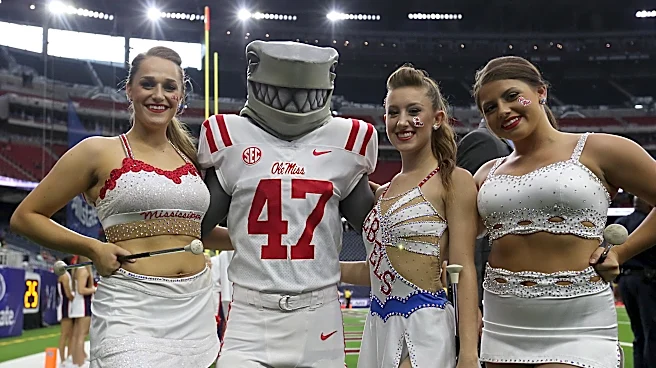
Ultimately, college football became a tradition because it's about so much more than what happens on the field. It’s a full-sensory cultural experience. It’s the smell of grills at a tailgate party, a tradition that brings communities together for hours before kickoff. It’s the sight of a stadium packed with fans wearing school colors and the sound of a marching band playing the fight song. For many towns, especially in the South and Midwest, the local college team is the biggest show around, a primary source of identity and pride. These rituals are passed down through generations, connecting grandparents, parents, and children in a shared loyalty. The game provides a powerful sense of community and continuity, anchoring weekends and giving millions of people a collective story to be a part of every autumn.