




The Week 7 Eruption
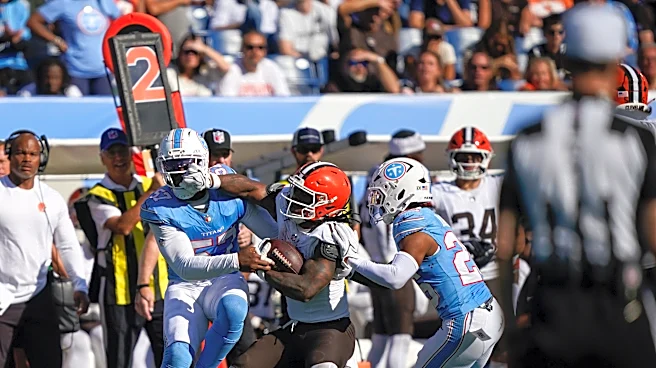
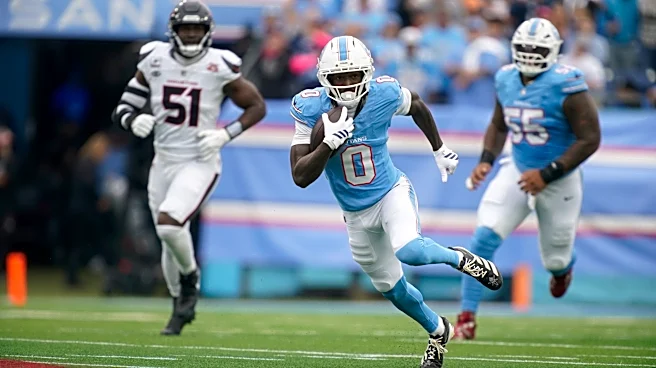
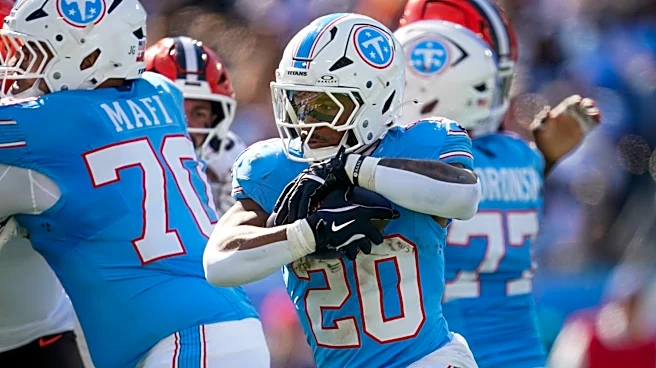
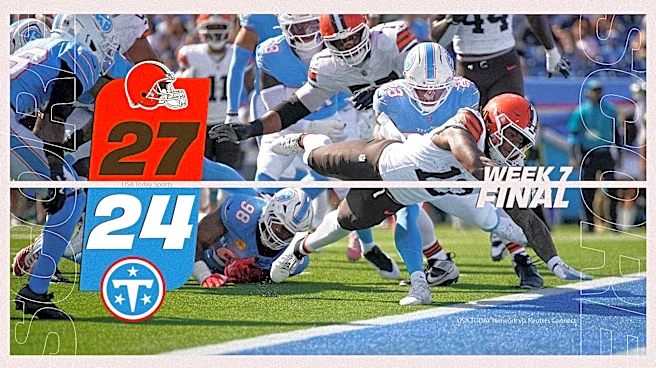
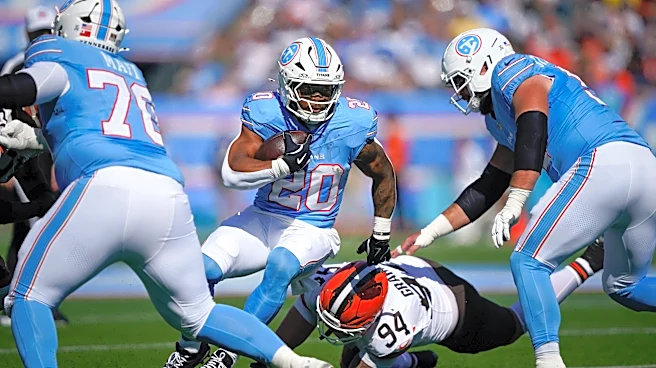
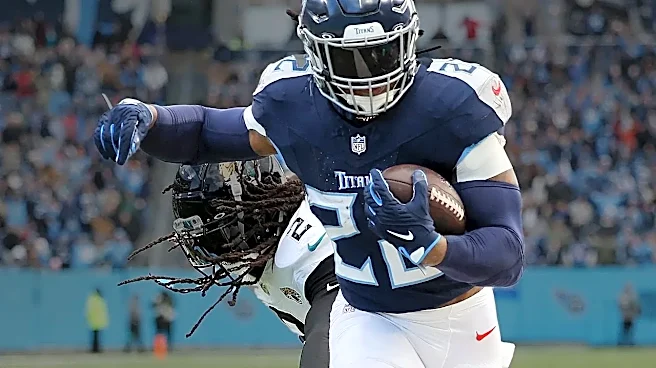
Let's start with the catalyst for this entire conversation: Pollard's dominant performance in Week 7. Against the Cleveland Browns, he exploded for 129 rushing yards and three touchdowns on a hefty 25 carries. He also chipped in with three receptions
for 26 yards. This single-game outburst not only set season highs across the board but also quadrupled his touchdown total for the entire year. For fantasy managers who started him, it was a week-winning performance. For those who had him benched, it was a painful reminder of his immense talent. It was the kind of slate-breaking game that forces everyone to re-evaluate a player's value moving forward. Before this game, Pollard's weekly finishes were often in the RB30-40 range; this one game has thrust him back into the spotlight.
A Shift in Usage?
The biggest question is whether this was a one-time fluke or a sign of a fundamental shift in the Titans' offense. A closer look at the numbers suggests it might be the latter. His 25 carries were a season-high, indicating a clear commitment to feeding him the ball. This workload spike was partly due to his backfield partner, Tyjae Spears, being inactive with a knee injury. Without Spears, Pollard dominated the backfield touches. Before Week 7, through the first six games, Pollard was averaging a solid but unspectacular 14.5 carries per game. While he ranked high in red-zone opportunities, his overall efficiency and receiving usage were middling. The massive volume in Week 7, combined with the absence of his primary competition for touches, created the perfect storm for a ceiling game.
The Sell-High Argument
While the excitement is palpable, a healthy dose of skepticism is warranted. This was, by a significant margin, the best fantasy game of Pollard's entire career. Expecting a repeat performance is unrealistic. Prior to this eruption, Pollard had just one touchdown through six games and was largely a volume-dependent, low-ceiling RB2. His efficiency metrics, such as yards after contact, were not elite, and his role in the passing game was limited. Skeptics will argue this is the definition of a 'sell-high' moment. His value will likely never be higher than it is right now. Trading him to another manager who is chasing last week's points could be a savvy move, especially if you can get a more consistent, high-floor player in return. The risk is that the Titans' newfound commitment to the run game is real, and you'd be trading away a league-winner just as he's hitting his stride.
The Road Ahead and the Final Verdict
So, is he an RB1? The answer is a classic 'it's complicated'. An RB1 is typically defined as a top-12 running back in fantasy scoring. Even with his massive Week 7, Pollard ranked just 22nd among RBs in PPR points per game for the season. To truly enter the RB1 conversation, he needs to sustain a workload of 20+ touches per game and continue to find the end zone, which will be harder once Tyjae Spears returns to the lineup. The upcoming schedule also presents challenges, with several tough run defenses on the horizon. Ultimately, Pollard is best viewed as a high-end RB2 with massive upside. He has the proven talent to deliver RB1 weeks, as we just witnessed, but his situation and prior inconsistency prevent him from being a locked-in, set-and-forget elite option. He's a player who can win you a week, but the jury is still out on whether he can carry you for an entire season.