

The Punishing Hard Courts
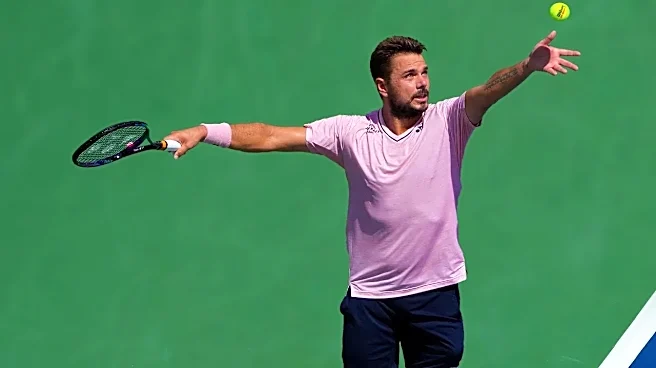
The US Open is famous for its fast hard courts. Since 2020, the tournament has used Laykold courts, a surface known for providing a quicker pace compared to many other hard court events, including the Australian Open. This speed rewards aggressive, powerful
play and gives players less time to react. Unlike the forgiving slide of clay or the skidding ball on grass, the US Open's courts offer a high-bouncing, true surface that favors big servers and flat hitters. This unforgiving pace means players must be precise, as there's little margin for error on a surface that won't mask technical flaws. It's a test of pure, clean ball-striking under immense pressure.
The Unforgiving Weather
Held in late August and early September, the tournament is synonymous with brutal heat and humidity. Players often battle oppressive conditions that sap energy and test physical endurance to its absolute limit. The muggy New York air can make breathing difficult and multiplies the physical toll of a five-set match. Some players even prepare by training in steam rooms to simulate the conditions. This extreme weather doesn't just challenge a player's fitness; it affects their focus, their grip on the racket, and their ability to recover between points, adding a draining layer of attrition to every single match.
The Roaring Crowd
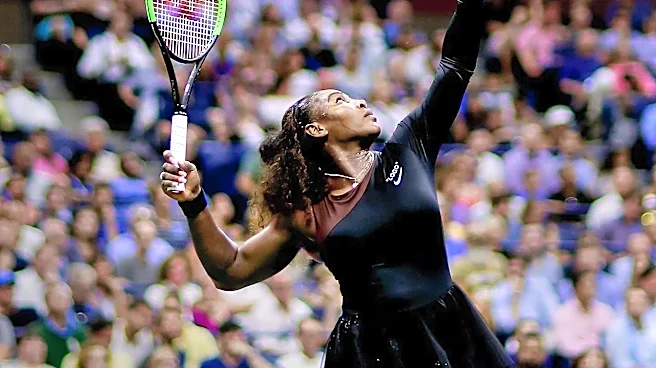
Wimbledon has polite applause; the US Open has a roar. Arthur Ashe Stadium is the largest tennis arena in the world, capable of holding nearly 24,000 fans, and they are famously vocal and energetic. Players have described the atmosphere as more like a concert or a basketball game than a traditional tennis match. The noise can be overwhelming, with fans cheering during points and creating a chaotic environment that some players thrive in and others find distracting. American players, in particular, can ride a wave of patriotic fervor, but for their opponents, it can feel like playing against the entire stadium. This isn't just background noise; it's an active, unpredictable participant in the drama.
The Spectacle of Night Sessions
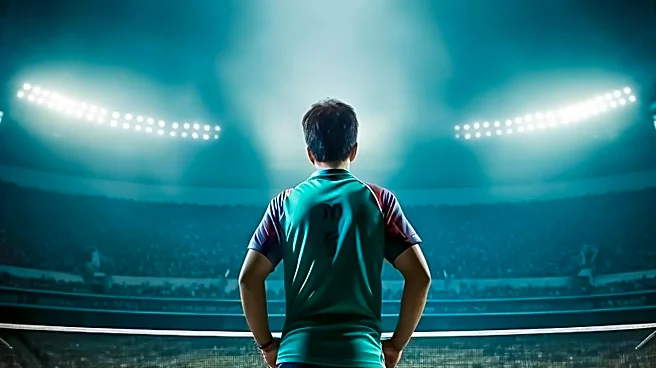
The US Open was the first Grand Slam to feature night matches, and they have become its signature attraction. Playing under the lights in Arthur Ashe Stadium is an experience unlike any other in the sport. The atmosphere becomes even more electric, with a boisterous, late-arriving crowd creating an intense, theatrical stage. Matches frequently run past midnight, testing a player's stamina and focus when their body clock is telling them to sleep. The combination of artificial lights, which can change ball perception, and the concentrated energy of a prime-time audience makes these matches a unique mental and physical challenge.
The Pressure of the Final Slam
As the last of the four majors, the US Open is the final chance for players to win a Grand Slam title in the calendar year. This creates a unique psychological burden. For those who have had a great season, it's the chance to cap it with an exclamation point. For others, it's the last opportunity to salvage a disappointing year. Players arrive physically worn down from a long season and mentally fatigued. This cumulative exhaustion, combined with the high stakes, can lead to stunning upsets and emotional collapses. It’s a final, grueling exam at the end of a very long school year.